Cardiorespiratory Fitness Scores Predict Longevity Better Than Weight

Ask most people what determines how long they'll live, and they'll point to their weight. Fewer pounds, less risk — or so the thinking goes. But a growing body of research suggests the scale is measuring the wrong thing entirely. The metric that actually predicts longevity with striking accuracy isn't body weight, BMI, or even body fat percentage. It's cardiorespiratory fitness, measured as VO2 max.
What Is a VO2 Max Score?
VO2 max measures the maximum amount of oxygen your body can use during intense exercise, expressed in milliliters of oxygen per kilogram of body weight per minute (mL/kg/min). In plain terms, it's a measure of how efficiently your heart, lungs, and muscles work together to fuel movement. The higher your VO2 max, the more capacity your cardiovascular system has — and the research increasingly shows that this capacity is one of the strongest predictors of how long you'll live, independent of weight.
Large-scale studies tracking hundreds of thousands of patients have found that low cardiorespiratory fitness carries a mortality risk comparable to — and in some cases greater than — smoking, diabetes, and heart disease. A person who is overweight but has a high VO2 max often has a better long-term outlook than someone at a "normal" weight with poor cardiovascular fitness. Weight tells you very little about what's happening inside your cardiovascular system. VO2 max tells you almost everything.
Why Weight Is a Poor Proxy for Health
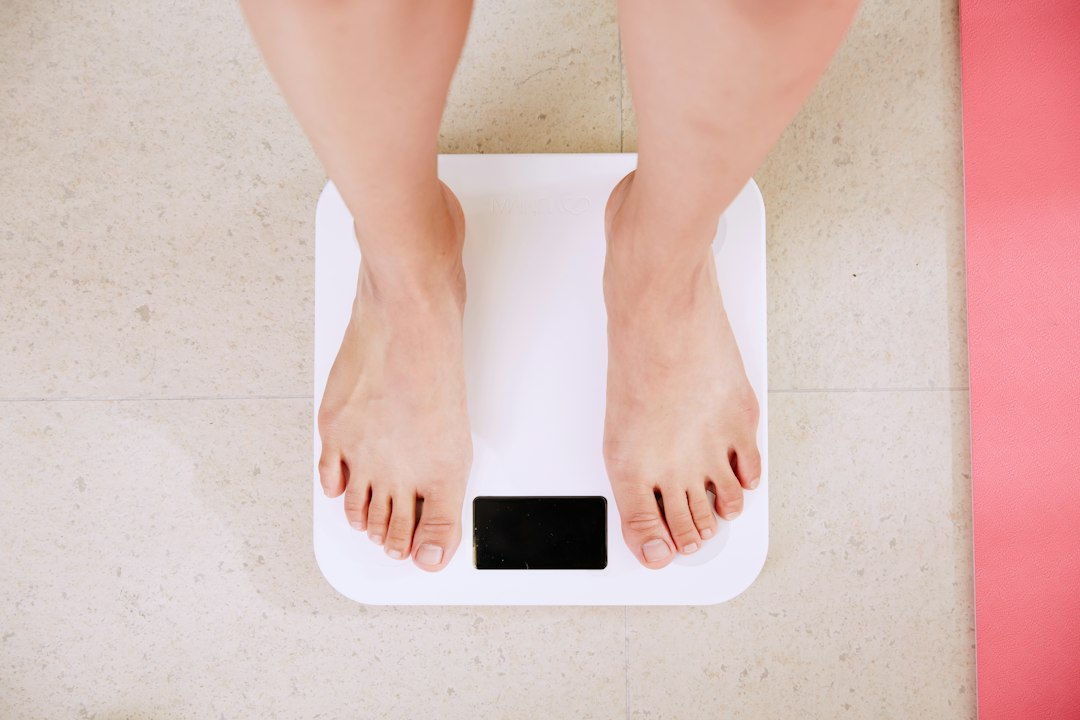
The obsession with scale weight has always had a measurement problem: weight doesn't distinguish between fat, muscle, water, or bone. Two people can weigh exactly the same and have radically different health trajectories depending on what's underneath the number. This is the same blind spot we've written about extensively — your scale weight means nothing without knowing your actual body fat percentage, and the same logic applies to cardiovascular health. A declining or stagnant scale number tells you nothing about whether your heart and lungs are getting stronger or weaker.
At Kalos, we built our entire framework around this idea. VO2 max is one of the four core metrics in what we call the Longevity vertex of our Performance Triangle — alongside visceral adipose fat (VAT), bone mineral density (BMD), and appendicular lean mass index (ALMI). These are the metrics that predict how well you'll function and how long you'll thrive, not just how you'll look in a photo. If you want to understand the muscle-side counterpart to this conversation, Stanford researchers identified ALMI as a key muscle metric predicting longevity in much the same way VO2 max predicts it for your cardiovascular system.
The Problem: Most People Have No Idea What Their Score Actually Is
Here's where the description problem shows up again. Wearables can estimate VO2 max using heart rate algorithms, but these estimates are notoriously unreliable without lab-grade testing. Most people walking into a gym in the Bay Area have never had their cardiorespiratory fitness properly measured, let alone connected to a plan to improve it. They know their squat max. They know their mile time, maybe. But they don't know the one number that quietly predicts their risk of early death better than almost anything else.
This is the same gap we see constantly in body composition — people chase the scale while visceral fat climbs even when the scale looks perfectly normal. Fitness has the same hidden blind spot. You can feel like you're in decent shape while your actual cardiovascular capacity is quietly declining year over year, especially past age 40.
How to Actually Improve Your VO2 Max
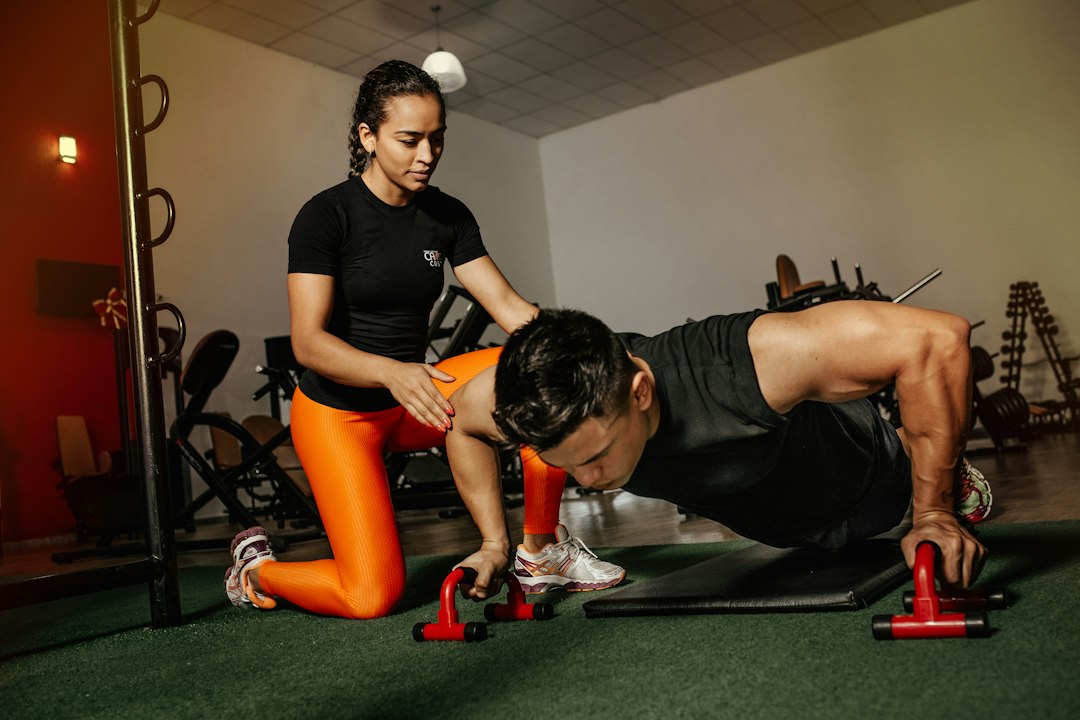
The encouraging part: VO2 max is one of the most trainable metrics in human physiology. Unlike genetics-heavy traits, cardiorespiratory fitness responds predictably to consistent training — particularly a mix of zone 2 aerobic work and higher-intensity intervals. But consistency matters more than any specific protocol. This mirrors our own prioritization framework: 80% of results come from simply showing up consistently, not from chasing the "optimal" interval structure or perfect zone 2 heart rate window. We've seen this play out with clients doing interval training and others building an aerobic base through steady-state cardio — the method matters less than the discipline of doing it week after week.
It's also worth noting that cardio alone isn't the full picture. People who overcorrect into excessive cardio volume without strength work often end up quietly erasing muscle gains in pursuit of a fitness number, which creates a different kind of imbalance. The goal isn't maximum cardio at any cost — it's building cardiorespiratory capacity while preserving the muscle and bone density that also drive longevity.
Why This Matters More as You Age
Cardiorespiratory fitness naturally declines with age, but the rate of decline is where the real story lives. People who maintain strength training and cardiovascular conditioning through their 40s and 50s show a dramatically slower decline than those who stop moving. This is the same pattern we see with bone density and muscle mass — the people who track their numbers and intervene early fare far better than those who wait until symptoms appear. If you're in that window already, our piece on strength training after 50 digs into why effort alone doesn't always translate to measurable results without the right data.
Finding a Bay Area Fitness Center That Measures What Matters
The challenge for most people isn't motivation — it's that most gyms don't measure the metrics that actually predict health outcomes. A typical Bay Area fitness center will track your reps, your weights, maybe your resting heart rate. Very few connect your training behavior to the underlying physiological metrics — VO2 max, visceral fat, bone density, lean mass — that determine your actual trajectory.
This is the gap Kalos was built to close. We use clinical-grade DEXA scanning as the measurement layer, paired with personalized coaching as the transformation engine, so you're not guessing whether your training is actually extending your healthspan. With locations in San Francisco, Palo Alto, and San Jose (Pruneyard), our team of NASM-certified analysts — many with elite athletic and data science backgrounds — translates your scan data into a specific plan for your body, not a generic program pulled from a methodology. We're agnostic to the method; we care whether your numbers are actually moving in the right direction.
Weight was never the right metric to chase. If you want to understand what's actually predicting your longevity, it starts with knowing your numbers — VO2 max included.

Ready to measure what matters?
Book your DEXA scan today and stop guessing about your health.