Hitting 50 and Still Storing Fat After Strength Training?
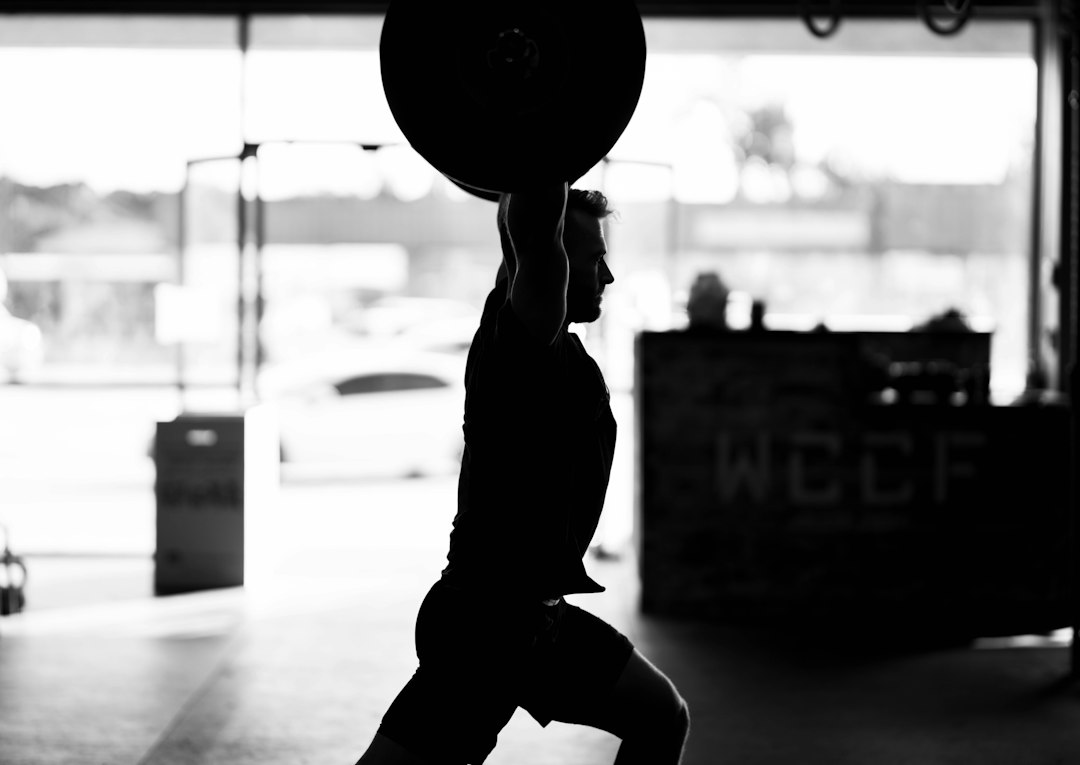
You're 52. You've been strength training three to four times a week for the better part of a year. Your trainer says your form is solid, your lifts are progressing, and yet your waistband tells a different story. The fat isn't moving. If anything, it feels like it's settling deeper, especially around the midsection. You start to wonder: is something wrong with my body, or am I just doing this wrong?
Neither answer is quite right. What's actually happening is a measurement problem, not a willpower problem. After 50, body composition shifts in ways that a scale, a mirror, or even a well-designed workout log simply cannot capture. You need a different lens, and that's where a clinical-grade body composition scan changes the entire conversation.
Why Strength Training Alone Stops Working the Way It Used To
In your 30s, strength training and fat loss were loosely linked. Build muscle, raise your metabolic rate, watch the fat follow. After 50, hormonal shifts (declining testosterone and estrogen, insulin sensitivity changes, cortisol dysregulation) change the equation. You can be adding strength on paper while visceral fat quietly climbs underneath. The two are no longer automatically correlated the way they were twenty years ago.
This is the exact blind spot Kalos exists to close. We think about every client's goals across three vertices: Aesthetics, Longevity, and Performance. Many people over 50 are training hard for Performance (heavier lifts, better numbers) without realizing their Longevity metrics, specifically visceral adipose tissue (VAT) and appendicular lean mass index (ALMI), are moving in the wrong direction entirely.
Is a DEXA Scan Worth It If You're Already Lifting Consistently?
This is the question we hear most from people who've "done everything right" and still feel stuck. The honest answer: a DEXA scan is worth it precisely because you're already putting in the work. You deserve to know if that work is translating into the outcomes you actually care about.
Scales measure total weight. BMI ignores composition entirely. Even a well-tracked lifting log tells you about effort and output, not what's happening inside your body. A DEXA scan answers three questions no other tool can answer with clinical precision:
- Is your lean muscle mass actually increasing, or has strength training plateaued while fat accumulates around it?
- Where is new fat being stored, subcutaneously or viscerally, and is your visceral fat level rising even if the scale looks fine?
- Is muscle building symmetrically, or are imbalances forming that could affect both aesthetics and injury risk down the line?
Our analysts see this pattern constantly in clients over 50: strength improving, confidence improving, but body fat percentage quietly climbing in the background because nutrition and recovery haven't kept pace with the training stimulus. Without a scan, that gap stays invisible until it shows up somewhere harder to ignore, in bloodwork, in joint pain, or in a mirror one day that looks nothing like the effort you've put in.
Where Can I Get a DEXA Scan for Body Fat in the Bay Area?
If you're searching for where to get a DEXA scan near me, Kalos operates clinical-grade DEXA scanning across three Bay Area locations: San Francisco, Palo Alto, and San Jose at the Pruneyard. We've completed over 3,000 scans and hold a 4.9-star rating across 500+ Google reviews, and every scan is HSA/FSA eligible.
But the scan itself is only the starting point. What separates Kalos from a standalone imaging center is what happens after the results print. Every scan is reviewed in person with a NASM-certified analyst, many with elite athletic or data science backgrounds from institutions like Stanford, Harvard, and Cambridge, who can translate the numbers into an actual plan. This is the distinction between the "description problem" (having data) and the "prescription problem" (knowing what to do with it). Most fitness tracking solves neither. We built Kalos to solve both.
What the Data Usually Shows for Lifters Over 50
When clients in this exact situation come in for a scan, two patterns show up again and again. First, lean mass isn't growing at the rate the training volume would suggest, often because protein intake, sleep, or recovery haven't been dialed in to match the stimulus. Second, visceral fat is accumulating independent of subcutaneous fat, which explains why the mirror and the scale can both look "stable" while internal risk markers worsen.
Neither of these is a failure. They're simply the kind of information that strength training alone was never designed to surface. Once you can see it, you can act on it, adjusting the 80% that actually matters (calorie and macro quantity, training consistency) rather than chasing the 1% variables like supplements or recovery gadgets that get all the attention but move the needle the least.
From Scan to Strategy
A single DEXA scan gives you a snapshot. The real value comes from tracking change over time, monthly scans that show whether your nutrition and training adjustments are actually working, the same way Kalos coaching members use their results. We're agnostic to method; whether you respond better to a specific lifting split or a particular macro approach, the data tells us what's working for your body specifically, not what worked for someone else's Instagram transformation.
If you've been training hard after 50 and the fat still isn't moving the way you expected, the next step isn't another new workout program. It's getting an accurate read on what's actually happening inside your body, then building a plan around that evidence instead of guesswork. Compare your current numbers against Bay Area body fat benchmarks to see where you genuinely stand, and book a scan at one of our three Bay Area locations to find out what your training has really been doing.

Ready to measure what matters?
Book your DEXA scan today and stop guessing about your health.