Bone Density Drops Fastest in These Five Years

Most people assume bone density loss is a slow, linear process that quietly accumulates over a lifetime. The data tells a different story. Research on bone remodeling consistently shows that the sharpest drop in bone mineral density (BMD) happens in a compressed five-year window — typically the two years before a woman's final menstrual period through the three years after, when estrogen decline accelerates bone resorption faster than new bone can form. Men experience a slower, more gradual decline, but they are not exempt — testosterone decline in the 50s and 60s carries its own bone density consequences that are frequently underdiagnosed.
This matters because the fitness industry, and even many primary care visits, focus almost entirely on what you can see: weight, waistline, muscle tone. Bone density is invisible until a fracture happens or a scan catches it. By the time standard screening guidelines recommend a bone density test (usually age 65), many people have already passed through — or are deep into — their fastest-loss window with zero visibility into what happened.
What Causes Bone Density Loss
Bone is living tissue, constantly being broken down and rebuilt by osteoclasts and osteoblasts. Several factors accelerate the breakdown side of that equation faster than the body can rebuild:
- Hormonal shifts. Estrogen and testosterone both play a protective role in bone remodeling. Perimenopause is the single biggest accelerant for women — tracking bone density shifts when estrogen drops unexpectedly often reveals loss well before any clinical symptoms appear.
- Low mechanical load. Bone responds to stress. Desk-bound routines, excessive steady-state cardio without resistance training, and sedentary stretches all remove the signal bone needs to maintain density.
- Chronic under-fueling or extreme dieting. Aggressive caloric deficits, especially paired with low protein intake, can quietly erode bone alongside muscle. This is one reason hitting protein goals isn't always enough after 50 — the body needs resistance stimulus, not just macros, to preserve both muscle and bone.
- Sarcopenia and lean mass decline. Muscle and bone are structurally linked. As sarcopenia risk scores climb, bone density often declines in parallel, since both tissues respond to the same loading signals.
- Chronic stress and elevated cortisol. Sustained cortisol elevation suppresses osteoblast activity, slowing new bone formation even when resorption continues at normal rates.
The problem is that none of these causes announce themselves. You don't feel bone density dropping the way you feel a strength plateau or notice a pair of jeans fitting differently. Bone density at 45 can look completely fine on the surface — until a scan disagrees, and by then the five-year window of fastest loss may already be closing.
Who Does a Bone Density Test Near Me — And When You Actually Need One
Most people searching for who does a bone density test near them assume they need to wait until a doctor flags it, usually well into their 60s. But waiting for a referral means missing the exact window when intervention matters most. A clinical-grade DEXA scan — the same gold-standard technology used in hospital bone density screening — measures BMD directly, alongside appendicular lean mass index (ALMI), visceral fat, and muscle symmetry, giving a full picture of how bone, muscle, and fat are trending together.
At Kalos, bone mineral density is tracked as one of four core longevity metrics (alongside visceral adipose tissue, ALMI, and VO2 max) because bone health doesn't exist in isolation — it's part of the same system that determines how well you age into independence and mobility. Bone loss that accelerates in your 40s is rarely caught by routine physicals, which is exactly why a growing number of Bay Area residents are scheduling DEXA scans proactively rather than waiting for a doctor's referral in their 60s.
Kalos operates scan locations in San Francisco, Palo Alto, and San Jose (Pruneyard), with 3,000+ scans completed and a 4.9-star rating across 500+ reviews. Every scan is HSA/FSA eligible, and results are reviewed by a NASM-certified analyst — not just handed over as a printout.
Osteoporosis Prevention Strategies That Actually Move the Needle
Preventing osteoporosis isn't about a single supplement or a single habit — it's about consistent, measurable inputs over time. Applying the same 80/16/3/1 prioritization Kalos uses for training and nutrition:
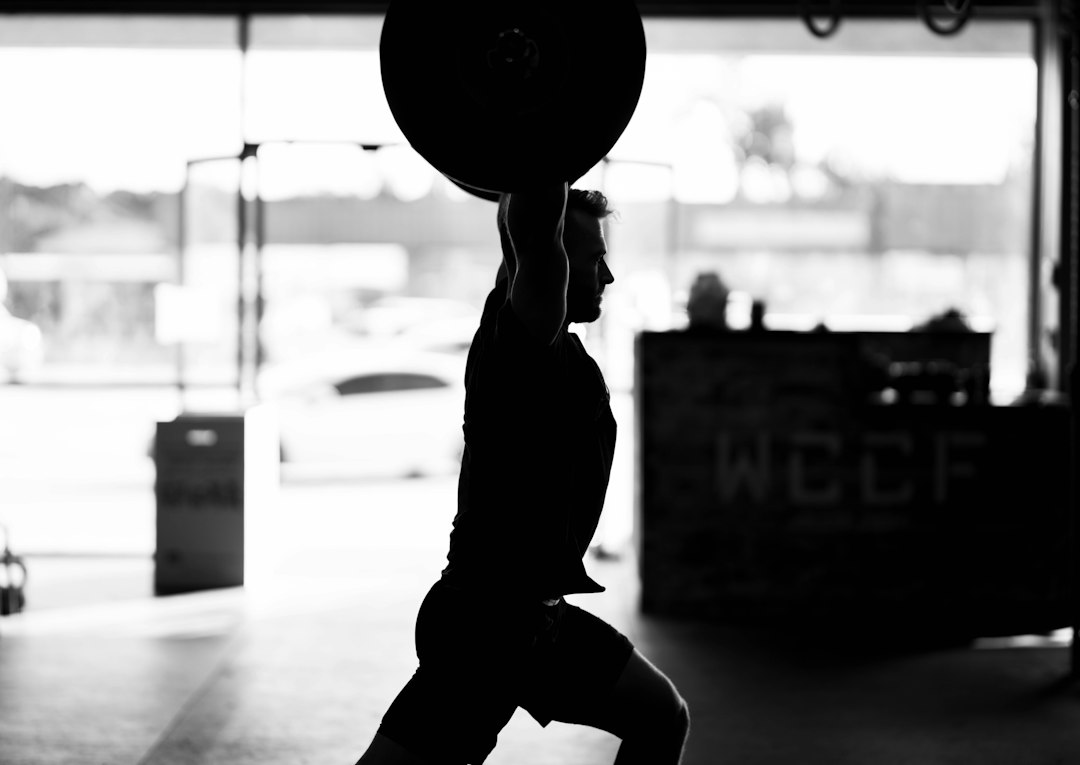
- Resistance training consistency (the 80%). Weight-bearing and resistance exercise is the single most reliable driver of bone density preservation. This matters more than the specific program — showing up matters more than optimizing rep schemes.
- Protein and calcium quantity, not just quality (the 80% of nutrition). Total protein intake and adequate calcium/vitamin D form the foundation. Quality tweaks matter less if the baseline quantity isn't there.
- Loading the lower body specifically. Many lifters unintentionally neglect leg training, which has consequences beyond aesthetics — skipping leg day accelerates more than just visceral fat, it removes one of the strongest bone-loading stimuli in the body.
- Monitoring ALMI alongside BMD. Since muscle and bone decline together, tracking appendicular lean mass index gives an early warning sign that bone density may be following the same trajectory.
- Measuring, not guessing. The only way to know whether a prevention strategy is working is to retest. Annual scans are a start; retesting on a tighter cadence catches trend lines before they become fractures.
This is the core difference between a top-down approach (pick a supplement, pick a diet, hope it works) and a bottom-up one: measure what's actually happening in your bones and muscle, then adjust the plan based on your own data rather than a generic protocol.
The Window Is Narrow — But It's Not Invisible
The five-year window where bone density drops fastest is real, but it isn't unmeasurable. A DEXA scan turns a silent, invisible process into a trackable number — one that can be monitored every few months the same way strength, body fat, or visceral fat already are. For anyone building a longevity stack, or anyone simply tired of guessing what their skeleton is doing underneath the surface, that visibility is the difference between reacting to a fracture and preventing one.
Kalos coaches don't just hand over a bone density number and send you on your way. The scan is the starting point for a personalized plan — training load, nutrition targets, and a retest schedule — built around what your specific five-year window looks like, not a generic population average.

Ready to measure what matters?
Book your DEXA scan today and stop guessing about your health.