Cardio Addiction Is Quietly Erasing Your Muscle Gains
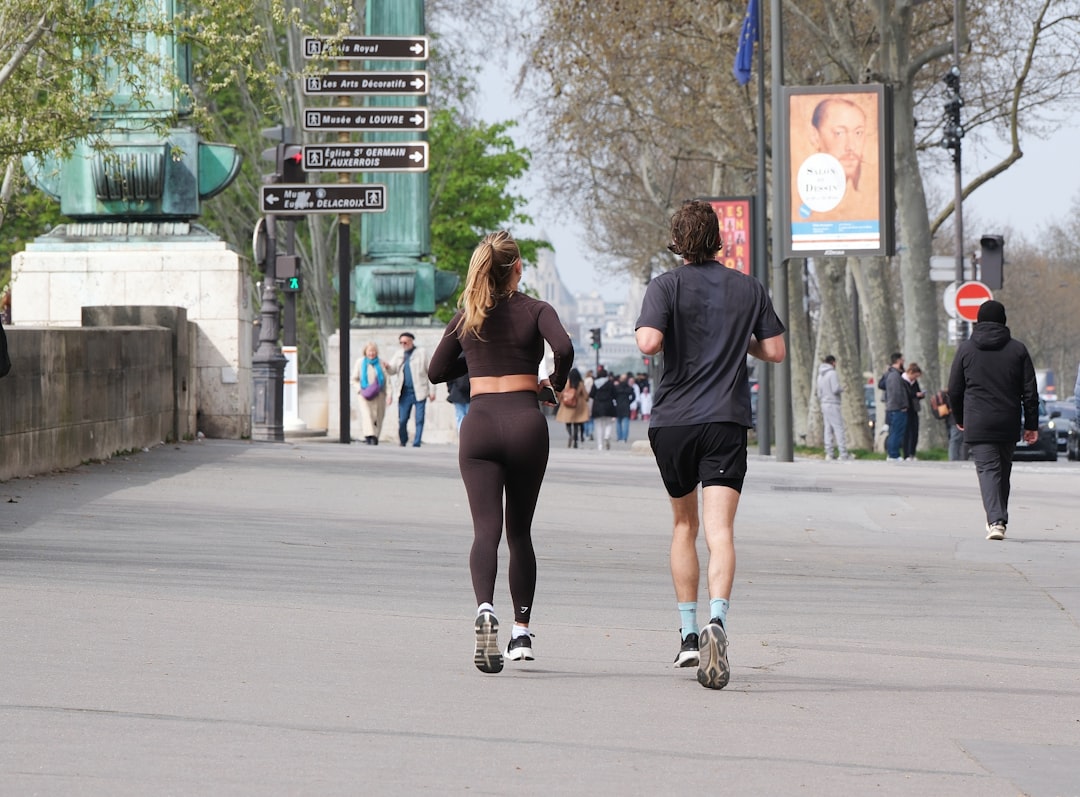
Somewhere between the Peloton leaderboard and the Strava kudos, a lot of Bay Area professionals quietly became cardio addicts. Zone 2 in the morning, a spin class at lunch, a run after work. The heart rate variability score goes up. The resting heart rate drops. Every wearable metric says you're winning.
Here's what none of those metrics tell you: how much muscle you traded to get there.
The Metric Your Wearable Can't See
Wearables are excellent at measuring effort and cardiovascular adaptation. They are not built to measure tissue. Steps, heart rate, sleep score, calories burned, these are all proxies for what's happening in your body, not direct measurements of it. This is what we call the description problem at Kalos: you have a mountain of data, but it's the wrong data to answer the question you actually care about, which is "am I losing fat, or am I losing muscle?"
A cycling or HIIT-heavy routine can quietly cannibalize lean mass even while every wearable metric trends in the "right" direction. The scale drops. The fitness score climbs. And appendicular lean mass, the muscle on your arms and legs that predicts how independently you'll move at 70, is shrinking the entire time. You won't feel it happening. You'll just notice, months later, that your jeans fit differently but your strength numbers haven't moved, or worse, have gone backward.
Why Chronic Cardio Is a Muscle Tax
Excess steady-state cardio, especially in a caloric deficit, puts your body in a catabolic environment. Without adequate protein, resistance stimulus, and recovery, your body will break down muscle tissue for fuel right alongside fat. This isn't theoretical. It shows up consistently in scan data. We've seen it in Zone 2 devotees who ran all spring and came back leaner on the scale but weaker on the scan, and in spin class regulars whose cardiovascular fitness improved while their muscle mass quietly declined. Even marathon trainees eating more calories than ever are still gaining fat, because volume without the right resistance and nutrition inputs doesn't protect lean tissue, it just burns through it.
This is the trap of the top-down approach the fitness industry sells you: pick a methodology, follow it religiously, and hope the outcome matches the intention. Cardio becomes a religion instead of a tool. At Kalos, we're agnostic to the method. We don't care if you love running or hate the gym. We care what the data shows week over week. If your muscle mass is trending down while you're grinding out miles, the plan isn't working, no matter how good your cardio fitness score looks.
Where the 80/16/3/1 Framework Breaks Cardio Addiction
We apply a simple prioritization framework to training: 80% of your results come from consistency, are you training, full stop. 16% comes from programming: sets, reps, frequency, rest. Only 3% comes from variation, and 1% from highly individual factors like cold plunges or supplements. Chronic cardio culture inverts this. People obsess over the 1% (the latest recovery gadget) while ignoring the 80% (are they doing any resistance training at all this week?).
If your weekly plan is 90% cardio and 10% or less resistance work, you are not optimizing your body. You're optimizing one input, cardiovascular capacity, at the direct expense of another, muscle mass. Both sit on the Kalos Performance Triangle alongside Aesthetics and Longevity. Early in your journey, improving in one direction should lift all three. Chronic, unbalanced cardio is one of the few things that pulls them apart before you're anywhere near elite level.
Is a DEXA Scan Worth It If You're Already "Fit"?
This is the question we hear most from people already logging serious cardio hours. The honest answer: it's worth it precisely because you're already fit by every metric your wearable can show you. A DEXA scan measures what steps and heart rate can't, your actual lean mass, your visceral fat, your bone density, broken down by region of your body. It's the only way to know whether your training is preserving muscle or slowly trading it away for a better VO2 max.
We've written before about cardio fitness climbing while visceral fat refuses to budge, and about daily cardio that isn't shrinking belly fat despite the calorie burn. These aren't outliers. They're the predictable outcome of optimizing one number while ignoring the ones that actually determine how you'll look, move, and age.
Body Composition Near Me: What Actually Happens at a Scan
If you're searching for where to get a DEXA scan near you in the Bay Area, here's what to expect at Kalos in San Francisco, Palo Alto, or San Jose. The scan itself takes about seven minutes. You get a full breakdown of body fat percentage, lean mass by region, visceral fat, and bone density. Then a NASM-certified analyst walks you through what the numbers mean for your specific training, not a generic report, an actual conversation about whether your cardio-heavy routine is helping or hurting your composition goals.
This is where the analysis becomes useful instead of just informative. If your scan shows declining muscle mass despite months of cardio, that's not a reason to quit training, it's a signal to rebalance. Fixing it usually means adding structured resistance work back into the 80% consistency bucket, not abandoning cardio, and it means retesting at a defined interval so the change is measurable instead of guessed at.
Cardio isn't the enemy. Cardio without a counterbalance, and without measurement, is what quietly erases the muscle you've spent years building. The only way to know which one you're actually doing is to look at the tissue, not the treadmill display.

Ready to measure what matters?
Book your DEXA scan today and stop guessing about your health.