Pelvic Floor Recovery and Body Composition: What Scans Catch
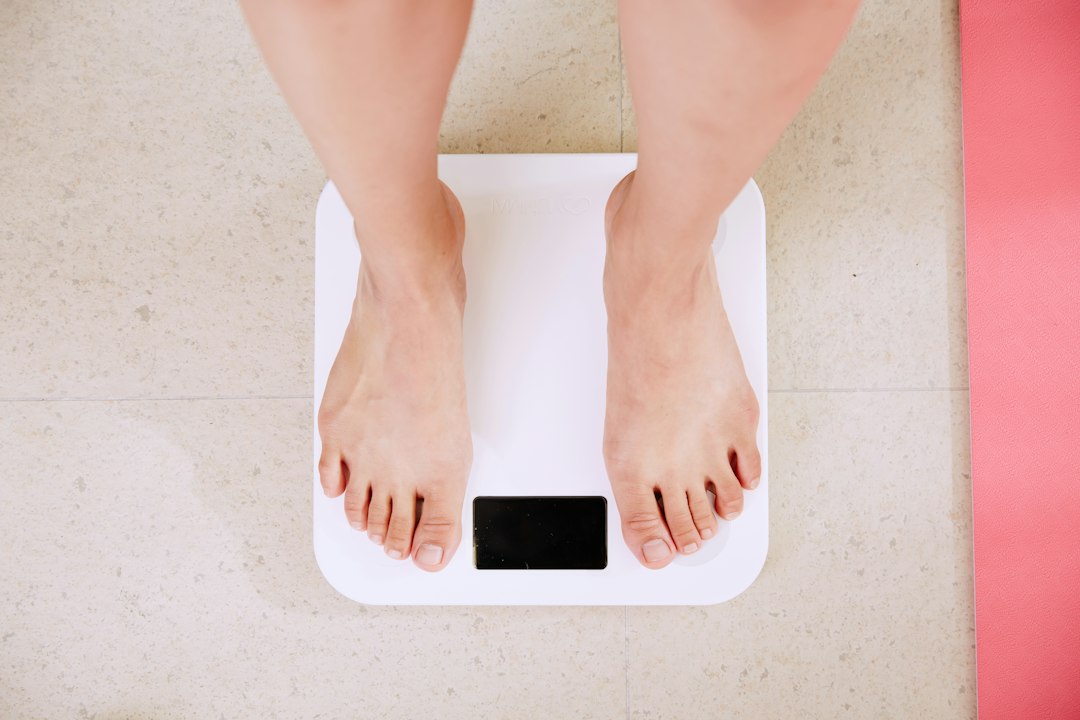
Pelvic floor rehabilitation therapy is one of the most undervalued recoveries in women's health. Whether you're working through postpartum recovery, post-surgical healing, or core instability that's lingered for years, a skilled pelvic floor therapist can rebuild function most people didn't know they'd lost. But function and body composition are two different stories, and most pelvic floor programs only measure the first one.
Here's the gap: pelvic floor rehab assesses muscle activation, coordination, and strength through manual testing and clinical observation. It tells you whether the muscle fires correctly. It does not tell you whether your overall lean mass is where it should be, whether visceral fat has crept up during a period of reduced activity, or whether bone mineral density took a hit during pregnancy, breastfeeding, or a surgical recovery window. Those are whole-body questions, and they require a whole-body measurement tool.
This is where a DEXA scan earns its place in the recovery process. A DEXA scan is the clinical-grade imaging technology that measures lean mass, fat mass, visceral adipose tissue, and bone mineral density—broken down regionally, down to the limb. For someone rehabbing their pelvic floor, that regional breakdown matters enormously. Core and hip muscle mass often decline during the same period pelvic floor dysfunction develops, especially postpartum or after abdominal surgery. A scan can confirm whether your core musculature is actually rebuilding alongside your rehab progress, or whether you're regaining function without regaining the muscle tissue that supports it long-term.
Why Pelvic Floor Clients Should Ask: Is a DEXA Scan Worth It?
Is a dexa scan worth it if you're already seeing a pelvic floor therapist? The honest answer is yes, for a specific reason: rehab therapy is diagnostic for function, not composition. You could pass every clinical strength test your therapist runs and still be carrying meaningfully reduced lean mass in your trunk and hips, or unnoticed bone density loss if your recovery period coincided with low estrogen, extended bed rest, or breastfeeding. None of that shows up on a manual muscle test. It shows up on a scan. This is especially relevant for the exact population most likely to be in pelvic floor rehab. Postpartum body composition shifts are well documented, and many women discover months into recovery that hidden fat gains accumulated even while they felt stronger. Postpartum runners logging miles often assume cardio volume is protecting their muscle mass, when a scan frequently shows otherwise. And for anyone who went through IVF or fertility treatment before or alongside pelvic floor issues, hormonal fluctuations during that process can independently affect both fat distribution and bone density, compounding what rehab alone will catch.What a Scan Adds to Your Recovery Plan
A DEXA scan doesn't replace pelvic floor rehabilitation therapy. It completes it. Rehab tells you the muscle works. The scan tells you what's actually there to work with, and whether your broader training and nutrition during recovery are rebuilding tissue or just restoring coordination around tissue that's still depleted. This matters most in two areas rehab clients consistently underestimate: bone mineral density and visceral fat. Pregnancy, breastfeeding, and certain hormonal shifts tied to pelvic floor dysfunction can quietly reduce bone density during a window most people aren't tracking. If you're curious how fast that decline can happen, our breakdown of bone density's fastest decline window covers the mechanisms. Visceral fat is the second blind spot. Reduced activity during recovery, even for a few months, can increase visceral adipose tissue without any visible change on the scale, a pattern we see constantly across the Bay Area population we scan.Where to Get a DEXA Scan Near Me, and What Happens Next
If you're searching "where to get a DEXA scan near me" while working through pelvic floor recovery, Kalos operates scanning locations in San Francisco, Palo Alto, and San Jose's Pruneyard, all staffed by NASM-certified analysts who read your results in person rather than emailing you a PDF. That in-person read is the part most scan providers skip, and it's the part that actually connects your rehab progress to your composition data. The process works like this: you get scanned, and within the same visit, an analyst walks you through your lean mass distribution, visceral fat trend, and bone density, specifically in the regions relevant to your recovery. From there, if you want ongoing tracking, Kalos coaching builds a nutrition and training plan around what the scan shows, with monthly rescans to confirm the plan is working, not just that your rehab sessions feel productive. Pelvic floor rehabilitation therapy restores the muscle's ability to fire. A DEXA scan confirms there's enough muscle, bone, and lean tissue underneath to make that recovery durable. Most people doing the work deserve to know both.
Ready to measure what matters?
Book your DEXA scan today and stop guessing about your health.