Postpartum Runners Logging Miles—Where Did Your Muscle Go?

You laced up again. Six weeks postpartum, then twelve, then you were back to logging the miles you ran before pregnancy. The pace is coming back. The endorphins are back. But something feels off—your clothes don't fit the way they used to, your arms look softer, and no amount of running seems to be closing the gap.
This is one of the most common frustrations we hear from postpartum runners in San Francisco, Palo Alto, and San Jose: the miles are back, but the body doesn't match the effort. If you've been Googling "body fat after pregnancy" at 11pm trying to figure out if what you're experiencing is normal, you're not alone—and the answer is more nuanced than most postpartum fitness content admits.
**Why Running Alone Doesn't Rebuild What Pregnancy Changed**
Pregnancy and postpartum recovery reshape your body in ways that go far beyond the number on the scale. Hormonal shifts, months of reduced strength training, changes in sleep, and the caloric demands of breastfeeding all interact to change your body composition—specifically, the ratio of lean muscle mass to fat mass.
Here's the problem: running is a phenomenal cardiovascular tool, but it is not a muscle-building tool. If you've replaced your pre-pregnancy strength training with cardio because it fits more easily into naptime windows or feels more accessible postpartum, you may be maintaining or even improving your cardio fitness while your lean muscle mass quietly declines. This is the same pattern we see in Zone 2 running clients who ask where their muscle went—steady-state cardio protects your heart and lungs, but it doesn't send a strong enough signal to your muscles to grow or even hold steady, especially in a body still recovering from the metabolic demands of pregnancy and delivery.
**So How Much Does Your Body Actually Change After Pregnancy?**
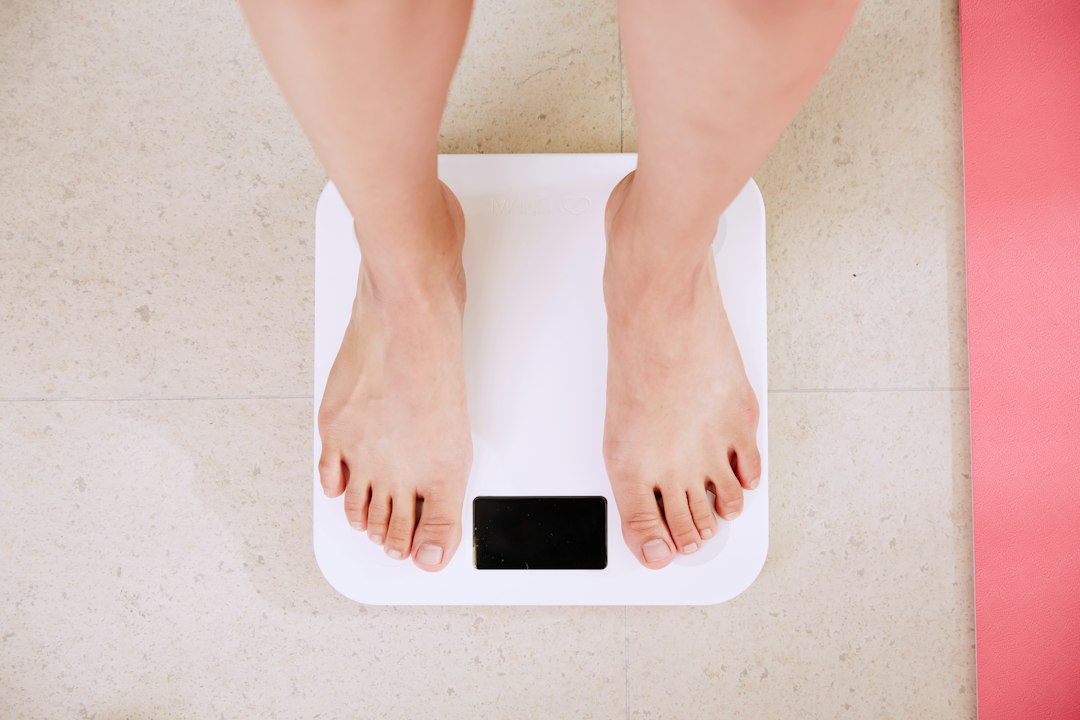
This is the question we get asked constantly, and the honest answer is: it depends entirely on what you measure. Scale weight can normalize within months. But scale weight is a blunt instrument—it can't tell you whether you've returned to your pre-pregnancy body fat percentage, whether your muscle mass has actually recovered, or whether fat has been redistributed to areas like the visceral cavity that weren't a concern before.
We've written before about the fact that postpartum belly fat doesn't normalize on a fixed timeline—it's highly individual, influenced by breastfeeding status, sleep, stress, and training approach. The same is true for the muscle side of the equation, and it's arguably more overlooked. A runner who's "back to her old mileage" might assume her body composition has normalized too. Often, a scan tells a very different story: total weight is similar to pre-pregnancy, but the composition underneath has shifted meaningfully—more fat mass, less lean mass, even if the scale number looks familiar.
**The Bone Density Question Nobody Asks Postpartum**
There's another layer to this that rarely gets discussed in postpartum fitness circles: bone health. Pregnancy and lactation both place real demands on maternal bone mineral density, as calcium is mobilized to support fetal development and milk production. For most women, bone density recovers after weaning, but the recovery isn't guaranteed, and it isn't something you can feel or see. If you're searching "dexa bone density scan near me," postpartum is actually one of the smartest windows to get a baseline reading—not because something is necessarily wrong, but because bone density loss is invisible until it isn't, much like we've covered in our piece on bone loss accelerating quietly through your 40s. Establishing where you stand now gives you a reference point for every year that follows.
**Running Miles Without Rebuilding Muscle Creates a Compounding Problem**
The reason this matters beyond aesthetics is functional. Appendicular lean mass—the muscle in your arms and legs—is directly tied to your ability to carry a growing toddler, recover from training without injury, and maintain the resting metabolic rate that keeps fat gain in check as your calorie needs shift again once breastfeeding ends. We break this metric down in more detail in our piece on appendicular lean mass index, which is the exact number a DEXA scan captures and your doctor almost never checks.
Marathon and half-marathon training postpartum compounds this further. High mileage increases caloric demand, and if intake doesn't match output precisely, the body will pull from whatever tissue is easiest to break down—frequently muscle, not fat, especially in an under-recovered postpartum body. This mirrors what we've documented in runners generally: marathon training can result in simultaneous fat gain and muscle loss when nutrition and strength work aren't dialed in alongside the mileage.
**What Actually Closes the Gap**
The fix isn't abandoning running—it's adding a resistance training stimulus your body isn't currently getting, paired with nutrition that supports both recovery and (if applicable) lactation. This is where measurement becomes essential. You cannot eyeball the difference between "still carrying baby weight" and "lost muscle mass during a chaotic first year postpartum." They look similar in the mirror. They are entirely different problems with entirely different solutions.
At Kalos, we use clinical-grade DEXA scanning to give postpartum runners an exact breakdown: fat mass, lean mass, visceral fat, bone density, and the symmetry between left and right sides of the body, which can shift after months of one-sided carrying, nursing positions, and altered gait patterns during pregnancy. From there, our NASM-certified coaches build a plan around what your data actually shows—not a generic postpartum program pulled from an app.
If you're a Bay Area runner wondering whether your training is actually rebuilding what pregnancy changed, or just maintaining your cardio while your muscle quietly slips, a scan gives you the answer in under an hour. We offer DEXA scanning at our San Francisco, Palo Alto, and Pruneyard (San Jose) locations, and every scan is HSA/FSA eligible.
Stop guessing based on how your jeans fit. Get the number.

Ready to measure what matters?
Book your DEXA scan today and stop guessing about your health.