Tracking Body Fat Changes During IVF and Fertility Treatments

What IVF and Fertility Treatments Actually Do to Your Body Composition
When most people think about IVF, they think about the emotional and hormonal rollercoaster. What almost nobody warns them about is the measurable, clinically significant shift in body composition that can happen across a single treatment cycle — and compound significantly across multiple cycles.
Fertility treatments introduce powerful hormonal interventions: gonadotropins, progesterone supplementation, estrogen support, GnRH agonists and antagonists, and trigger shots. These aren't mild nudges. They are aggressive hormonal recalibrations that affect how your body stores fat, retains fluid, breaks down muscle, and regulates metabolism. The result is a body that looks and feels different — but without precise measurement, you have no way to know whether what you're experiencing is water retention, true fat gain, muscle loss, or some combination of all three.
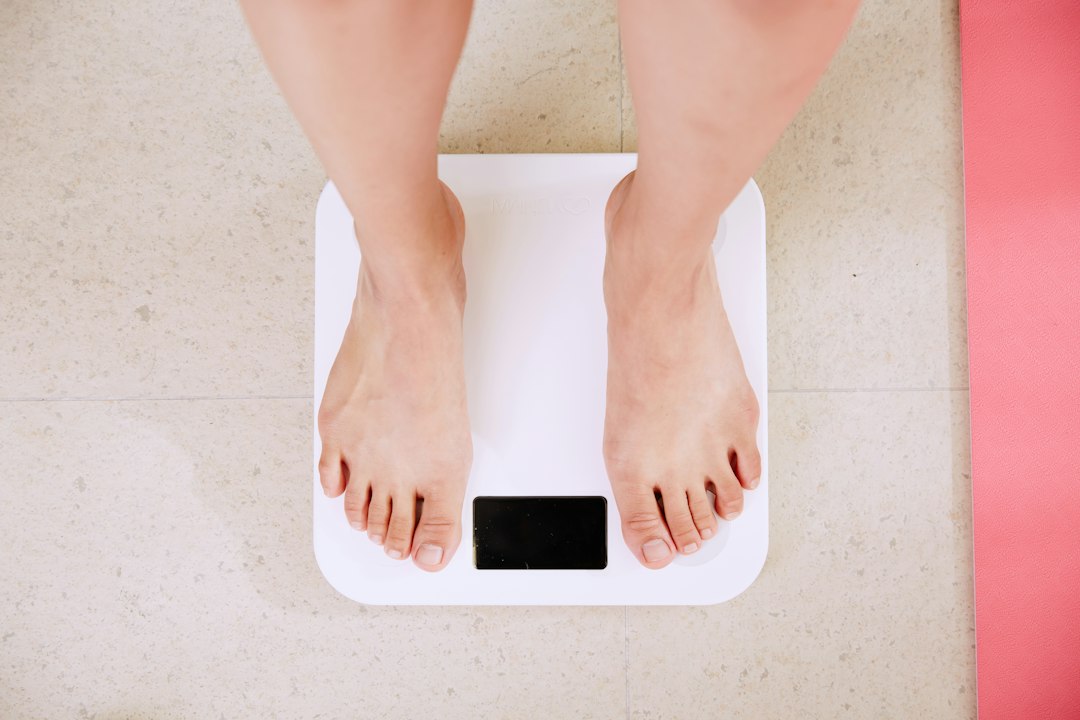
The scale, in this context, is almost useless. A woman can gain four pounds during a stimulation cycle and have no idea whether that's predominantly fluid (expected and temporary), fat (concerning if it persists), or lean mass changes (the most underappreciated risk of extended fertility treatment). Without a clinical measurement tool that separates these tissue types, you're guessing.
DEXA scanning — dual-energy X-ray absorptiometry — doesn't guess. It measures.
Why Body Composition Tracking Matters More During Fertility Treatment Than Almost Any Other Time
There are two reasons women undergoing IVF or fertility treatment should care deeply about body composition data.
The first is clinical. Research consistently shows that body composition — specifically body fat percentage and lean mass — affects fertility outcomes. Elevated visceral adipose tissue (VAT), the deep abdominal fat measured precisely by DEXA, is associated with insulin resistance, elevated estrogen levels, and disrupted ovarian function. Excess body fat can interfere with hormonal signaling, affect egg quality, and reduce implantation success rates. Conversely, very low body fat — particularly insufficient lean mass — is associated with hormonal disruption that can impair ovulation and fertility equally.
The second reason is personal. Fertility treatment is already one of the most physically and emotionally demanding experiences a person can go through. Body image concerns, anxiety about weight changes, and confusion about what's "normal" are nearly universal. Having objective data — numbers that tell you exactly what is happening inside your body, not just what the mirror suggests — is grounding in a way that nothing else is. It replaces anxiety with information.
What DEXA Measures That Nothing Else Can
A clinical-grade DEXA scan produces a complete picture of your body composition in a single 10-minute session. The key metrics during IVF are:
Body fat percentage and regional fat distribution. DEXA measures fat mass in your trunk, arms, legs, and android region (around your midsection) separately. This matters because hormonal treatments, particularly elevated progesterone, tend to preferentially shift fat storage toward the trunk. A total body fat percentage might not change dramatically, but your regional distribution can shift in ways that carry different metabolic implications.
Visceral adipose tissue (VAT). This is the fat stored around your organs — not the subcutaneous fat you can pinch, but the deeper metabolic fat that drives insulin resistance and systemic inflammation. DEXA gives you a precise VAT score. During fertility treatment, tracking VAT across cycles tells you whether the hormonal environment is pushing fat into metabolically dangerous storage patterns. As we've explored in other contexts, visceral fat scores on DEXA results are one of the most actionable numbers in body composition medicine.
Lean mass by region. Progesterone has a catabolic effect on muscle tissue at high doses. Extended suppression protocols and the physical inactivity that often accompanies retrieval and transfer procedures can accelerate lean mass loss. DEXA measures your appendicular lean mass — the muscle in your arms and legs — separately from your total lean mass, which includes organ weight and fluid. This distinction matters enormously during IVF, when fluid retention can mask significant lean tissue changes.
Bone mineral density (BMD). This is the measurement most fertility patients have never considered — and possibly the most important one for long-term health. GnRH agonist protocols (Lupron, for example) work by inducing a temporary, medically managed menopause. They suppress estrogen to create a controlled hormonal baseline. Estrogen is a primary driver of bone density maintenance. Suppressing it, even temporarily, causes measurable bone density loss. For women undergoing multiple cycles with GnRH agonist protocols, cumulative bone density loss is a real and underappreciated risk. DEXA is the only clinical standard for measuring it. Bone density declines silently — DEXA catches it before it becomes a fracture risk or a diagnosis.
The IVF Timeline and Where DEXA Fits
Understanding when to scan — and how to interpret what you find at each stage — requires mapping DEXA to the phases of treatment.
Pre-treatment baseline scan. The single most important scan you can get is the one before your first cycle begins. This gives you a true baseline: your body fat percentage, regional fat distribution, VAT score, lean mass by region, and bone density before any hormonal intervention. Every subsequent measurement is interpreted relative to this number. Without a baseline, you're comparing yourself to a population average, not to your own body. Your own body is the only comparison that matters.
Post-stimulation, pre-retrieval awareness. During the stimulation phase, ovarian hyperstimulation syndrome (OHSS) risk and fluid retention make active scanning less informative for body composition purposes. The bloating, fluid shifts, and ovarian enlargement create noise in the data. This phase is better managed with your reproductive endocrinologist's monitoring rather than DEXA measurement.
Post-retrieval, pre-transfer window. This two-to-four week window (in fresh transfer cycles) or the rest period between retrieval and a frozen transfer cycle is an ideal measurement point. The acute fluid effects have largely resolved. You can see what the stimulation phase actually did to your body composition — and this data informs your nutrition and activity plan heading into the transfer and luteal phase.
Between cycles. For women doing multiple IVF cycles — which is statistically the norm rather than the exception — the period between cycles is the most actionable window for body composition work. This is when a DEXA scan gives you a complete picture of cumulative changes: whether repeated hormonal exposure is shifting fat storage patterns, whether lean mass is trending down, and whether bone density is holding stable. Catching these trends between cycles allows you to intervene with targeted exercise and nutrition before they compound further.
Post-treatment, whether or not pregnant. If treatment is successful, pregnancy itself will drive further body composition changes that are worth tracking separately. If treatment concludes without a successful pregnancy, the post-treatment period often involves physical and emotional recovery during which body composition changes — particularly the muscle loss that comes from extended stress, disrupted sleep, and reduced activity — can be significant and worth addressing deliberately.
The Muscle Loss Risk Nobody Talks About
Lean mass preservation during IVF is almost never discussed in fertility clinic settings. This is a gap worth closing.
During fertility treatment, several factors converge to accelerate muscle loss. High progesterone levels are catabolic. Physical activity is often restricted — sometimes aggressively — during stimulation and around retrieval. Caloric intake can be inconsistent as nausea, bloating, and stress affect appetite. Sleep disruption is nearly universal. And emotional stress elevates cortisol, which directly promotes lean mass breakdown and fat storage, particularly in the abdominal region.
The result: even women who are exercising regularly before treatment often emerge from a completed cycle or a multi-cycle journey with measurably less muscle than they started with. This matters not just aesthetically but functionally. Lean mass is the primary driver of resting metabolic rate. Losing muscle means burning fewer calories at rest, which makes subsequent fat loss harder and increases the difficulty of returning to pre-treatment body composition.
If you've noticed that your body feels different after fertility treatment — softer, less responsive to the exercise you used to do — this is likely why. The scale may show a similar number, but the ratio of muscle to fat has shifted. Scale weight versus muscle mass is a distinction that matters enormously, and it's one that DEXA makes visible.
How Nutrition Interventions Interact With Fertility Treatment Body Composition
One of the most common mistakes women make during IVF is applying aggressive caloric restriction in an attempt to manage the weight gain they anticipate — or are experiencing — from hormonal treatment. This approach backfires in two ways.
First, caloric restriction during stimulation and treatment phases accelerates lean mass loss while failing to prevent the fat storage driven by hormonal shifts. The body, under hormonal influence, is storing fat partly regardless of caloric intake — but it will happily sacrifice muscle tissue when calories are too low.
Second, inadequate caloric and protein intake during IVF may affect treatment outcomes. The developing follicles and the uterine environment both require nutritional support. This is not the time for aggressive dieting.
The smarter approach is what Kalos calls bottom-up nutrition: using data to understand what's actually happening to your body composition and adjusting the variables that matter most. Protein intake is the single highest-leverage nutritional variable for lean mass preservation — not supplement timing, not specific food quality choices, not intermittent fasting. Getting protein targets right, consistently, protects muscle during the catabolic hormonal environment of IVF far more effectively than any other nutritional strategy.
After treatment concludes, DEXA data gives you the exact starting point for a rebuilding protocol. You know precisely how much lean mass you've maintained or lost, where fat has accumulated, and what your VAT score looks like. That data turns what would otherwise be a vague "get back on track" intention into a specific, measurable plan.
Bone Density: The Silent Long-Term Risk of GnRH Agonist Protocols
For women who undergo Lupron-down-regulation or other GnRH agonist protocols, bone density deserves its own section.
GnRH agonists suppress estrogen production as part of the controlled ovarian stimulation protocol. This suppression can last several weeks per cycle. Estrogen is one of the primary signals that tells osteoblasts (bone-building cells) to maintain bone mass. When estrogen drops, bone resorption — the breakdown of existing bone — outpaces bone formation. The result is measurable bone density loss even within a single cycle.
For a woman completing one IVF cycle, this loss is typically temporary and recovers with the return of normal hormonal cycling. For a woman who completes three, four, or five cycles with GnRH agonist protocols — which is not uncommon in the IVF journey — cumulative bone density effects are worth measuring directly rather than assuming they'll resolve.
DEXA's bone mineral density measurement is the clinical gold standard. It gives you a T-score and Z-score that tell you exactly where you stand relative to peak bone density and age-matched peers. If cumulative treatment is affecting your bone density, you want to know now — when resistance training, adequate calcium and vitamin D intake, and hormonal considerations can still make a meaningful difference — not a decade later when a fracture prompts a first-ever bone density scan.
This is the same principle that applies to perimenopause and menopause: bone density loss often begins a decade before women think to measure it, and IVF-related hormonal suppression can accelerate that trajectory.
Why Fort Myers and Naples Residents Are Looking for Clinical-Grade Scanning
Women searching for a dexa scan fort myers or dexa scan naples during fertility treatment are typically looking for something specific: not a casual body composition screening, but a clinical-grade measurement that gives them real data they can act on. The same applies to anyone searching for a dexa bone density scan near me — the intent is precision, not approximation.
The gap in the market is not access to DEXA hardware — it's access to DEXA paired with the analysis and coaching that makes the data actionable. A number without context is just a number. Knowing your VAT score is elevated is only useful if you understand what drives visceral fat accumulation and what specific nutritional and exercise interventions have the strongest evidence for reducing it. Knowing your bone density has declined is only useful if someone helps you translate that into a resistance training protocol and supplementation review.
This is the distinction between a scan facility and a performance health transformation company. Kalos is the latter.
What a Kalos DEXA Scan and Analysis Session Looks Like
At Kalos, a DEXA scan takes approximately 10 minutes. The scan itself is painless, involves no needles or injections, and exposes you to a negligible amount of radiation — far less than a standard chest X-ray.
What happens after the scan is where Kalos is different from any other provider.
Every scan at Kalos is followed by an in-person analysis session with a NASM-certified performance analyst. These are not technicians handing you a printout. They are coaches with backgrounds from institutions including Harvard, Stanford, and Yale, with competitive athletic histories and data science expertise. They read your results in the context of your life: your treatment protocol, your current activity level, your nutritional habits, your goals for the period after treatment concludes.
The output of that session is not a PDF. It is a prescription — specific, prioritized actions grounded in your actual data. What should you be eating more of? What training modality is most appropriate for where you are in your treatment cycle? Is your bone density a concern that warrants referral to your reproductive endocrinologist? Is your VAT score something to address now, before your next cycle, because research suggests it may be affecting your outcomes?
These are not generic wellness recommendations. They are personalized responses to your specific body composition data.
All Kalos services are HSA and FSA eligible, which matters for fertility patients who are often managing significant out-of-pocket treatment costs and looking for every opportunity to use tax-advantaged health dollars efficiently.
Tracking Progress Between Cycles: The Retesting Protocol
One of the most powerful uses of DEXA during fertility treatment is the retesting protocol — establishing a baseline before treatment, scanning between cycles, and building a longitudinal picture of how your body is responding.
This approach transforms IVF body composition management from reactive ("I feel bloated and I don't know what's happening") to proactive ("my lean mass dropped 1.8 pounds last cycle; let me prioritize protein and resistance training before the next one"). As Kalos's approach to retesting after 60 days demonstrates, the power of DEXA is not in a single measurement — it's in the trend line that multiple measurements create.
Between cycles, which can span four to eight weeks or longer depending on your protocol, there is meaningful time to make body composition changes that may support your next attempt. DEXA data makes those weeks intentional rather than passive.
Starting Your Tracking Protocol
If you are currently in fertility treatment, preparing for your first IVF cycle, or in the recovery period after a completed treatment journey, a DEXA scan is the most precise tool available for understanding what is happening to your body.
The best time to establish your baseline was before your first cycle. The second best time is now.
Kalos operates clinical-grade DEXA scanning facilities across the Bay Area — San Francisco, Palo Alto, and San Jose — with a team of certified performance analysts available to help you interpret your results and build an actionable plan. Whether your goal is to protect lean mass during stimulation, rebuild after a completed treatment journey, monitor bone density through GnRH agonist protocols, or simply understand what your body is actually doing beneath the scale number, Kalos gives you the data and the guidance to move forward with clarity.
Book your scan at livekalos.com.

Ready to measure what matters?
Book your DEXA scan today and stop guessing about your health.