Tirzepatide Plateau Hit? Muscle Loss Explains the Stall
If you've hit a plateau on tirzepatide after months of steady progress, the first instinct is to blame the medication. Maybe your body adapted. Maybe you need a higher dose. Maybe it's just "not working anymore." But for a growing number of people we scan in the Bay Area, the real explanation is less about the drug and more about what's happening underneath the number on the scale: muscle loss.
Tirzepatide and other GLP-1 medications are remarkably effective at suppressing appetite and driving weight down. But weight is not fat. When you lose weight on these medications, a meaningful portion of that loss — often reported in the 25-40% range depending on activity and protein intake — comes from lean muscle tissue, not fat stores. And muscle loss doesn't just change how you look. It changes your metabolism, which is exactly why plateaus happen.
Why Losing Muscle Causes the Plateau You're Experiencing
Muscle is metabolically active tissue. It burns calories even at rest. Your resting metabolic rate (RMR) is driven in large part by how much lean mass you're carrying. So when tirzepatide helps you drop weight, and a chunk of that weight is muscle, your RMR drops right along with it.
Here's the mechanism in plain terms: you started tirzepatide at a certain body weight and a certain metabolic rate. As the pounds came off, your body needed fewer calories to maintain itself — partly because you're smaller, but disproportionately because you're carrying less muscle. Your appetite suppression from the medication stays roughly constant, but your body's calorie needs keep shrinking. Eventually the two lines cross, and the scale stalls — even though you haven't changed your dose, your habits, or your effort.
This is a different story than "your body adapted to the drug." It's a body composition story, and it's one that only shows up clearly on a scan, not a scale. We've written in detail about this dynamic in Ozempic Plateau Hits Differently When Muscle Was Lost First, and the same physiology applies directly to tirzepatide.
When Taking Tirzepatide, Most People Never See the Muscle Loss Coming
This is the education gap we see constantly at Kalos. Most people starting GLP-1 medications are laser-focused on the number on the scale — understandably. Nobody tells you, at the pharmacy counter or in a 15-minute follow-up appointment, to track body composition alongside weight. So the muscle loss happens quietly, month after month, completely invisible until someone gets a DEXA scan and sees the full picture: fat down, yes, but lean mass down more than expected too.
The data point we share most often with clients on tirzepatide: roughly two-thirds of weight loss on GLP-1 medications includes some muscle loss. That's not a reason to stop the medication — it's a reason to pair it with resistance training and adequate protein so the weight you lose is overwhelmingly fat, not muscle. We go deeper on this tradeoff in Ozempic or Lifting: Which Actually Preserves Muscle After 50?
When Tirzepatide Stops Working, Ask What Changed Besides the Scale
"When tirzepatide stops working" is one of the most common questions we hear from clients, and it's almost always framed as a question about the drug's efficacy. But the better question is: what changed in your body composition during the time it was "working"?
If you started at a higher body fat percentage and a reasonable amount of muscle, and three or four months in your scan shows fat down but lean mass down nearly as much, that's your answer. Your metabolism recalibrated downward along with your muscle mass. The medication is still suppressing appetite exactly as it should — your body just needs fewer calories now to stay at the same weight, so continued loss requires either adjusting intake further or, more sustainably, rebuilding the muscle that was lost.
We cover the practical side of this in Scanning After 60 Days on Tirzepatide: Are You Losing Fat or Muscle?, and for those worried about what happens if the plateau leads them to stop the medication altogether, Ozempic Exit Plan: What Happens to Muscle Next? walks through the same questions in the context of coming off treatment.
What a DEXA Scan Reveals That the Scale Can't
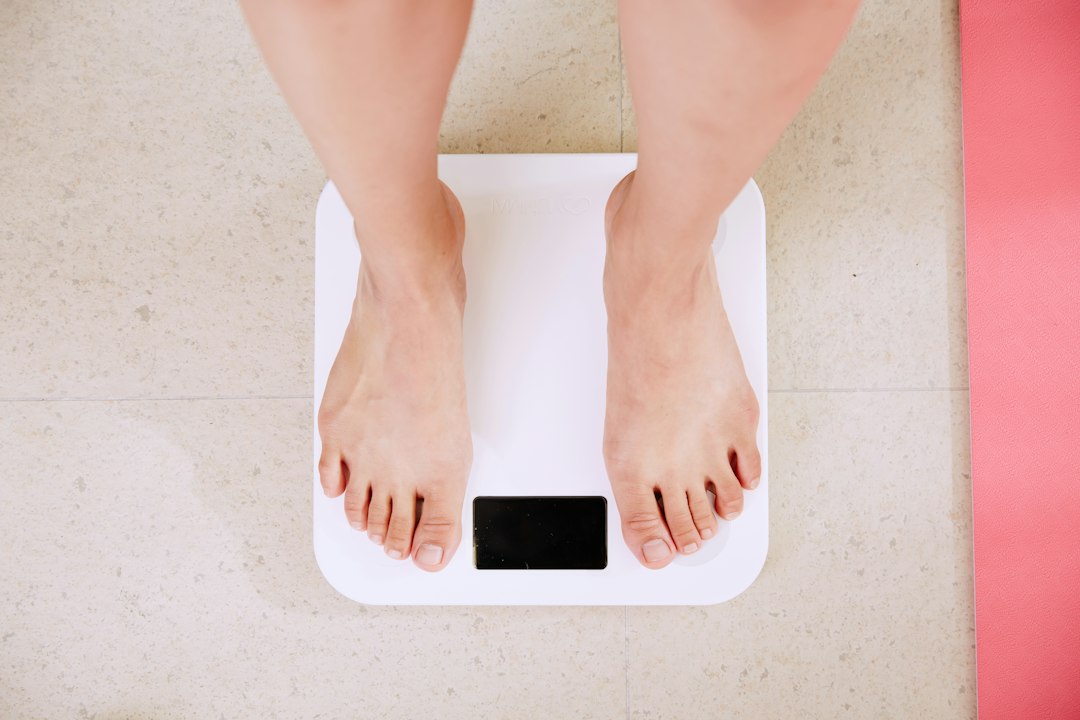
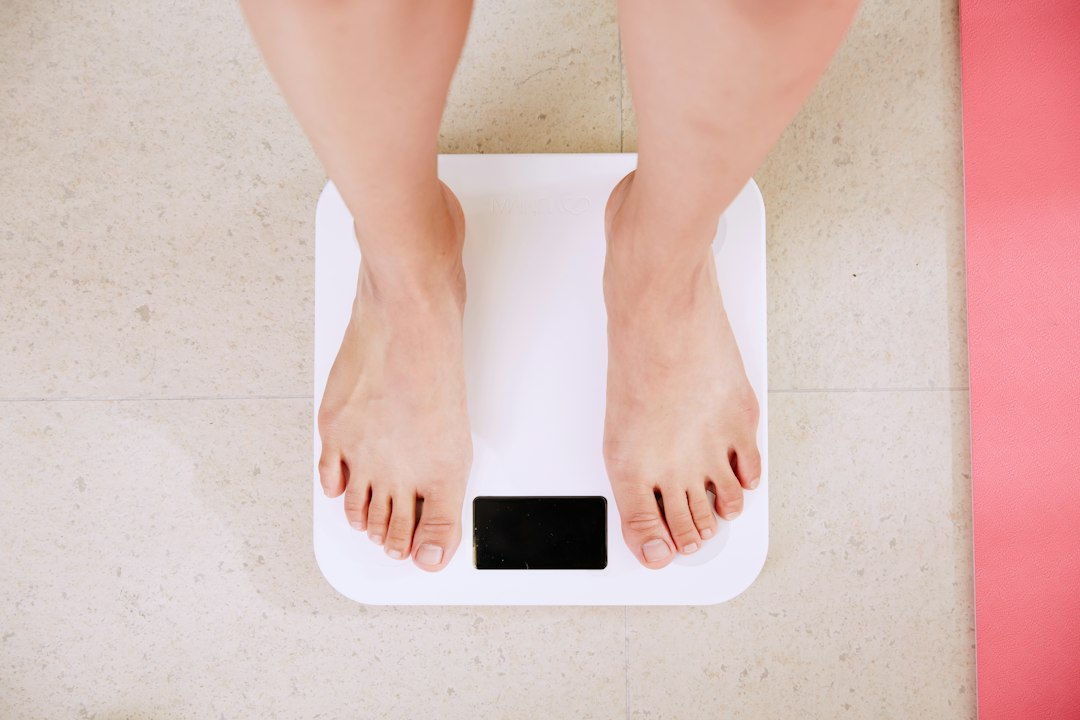
A standard scale gives you one number. A clinical-grade DEXA scan gives you the breakdown: fat mass, lean mass, visceral adipose tissue, and bone density, measured region by region. For someone plateaued on tirzepatide, this is the difference between guessing and knowing.
Two people can both weigh 180 pounds and be "stalled," but one might be sitting at 28% body fat with declining muscle, and the other at 22% body fat with muscle holding steady. Those are two completely different situations requiring two completely different responses. One needs to protect and rebuild lean mass. The other may genuinely need a conversation with their prescriber about dose or timeline. You can't tell the difference from a bathroom scale, and most plateaus get misdiagnosed as a result. We've seen this pattern show up repeatedly in client scans, similar to what's documented in Tirzepatide Users Regaining Weight: Where Does Fat Return First?
Breaking Through: Training and Nutrition, Not Just Dosage
At Kalos, we don't start with a methodology — we start with measurement. For a client plateaued on tirzepatide, the DEXA scan tells us whether the plateau is a muscle problem, a true metabolic adaptation, or something else entirely (like underrecovery or inconsistent tracking). From there, coaching focuses on the two levers that move the needle most: training consistency and protein intake, which together protect and rebuild the lean mass that's been quietly disappearing.
This isn't about outworking the medication. It's about making sure the weight that comes off is weight you actually want to lose. If your muscle gains feel stalled regardless of GLP-1 use, the same diagnostic logic applies — see Muscle Gains Stalling? DEXA Data Exposes the Real Reason and Strength Plateaus Explained by What Scans Actually Catch for more on how scan data uncovers what training logs miss.
If you're on tirzepatide and the scale has stopped moving, don't assume the medication quit working. Get the data first. A DEXA scan at one of our Bay Area locations in San Francisco, Palo Alto, or San Jose will show you exactly what's changed — fat, muscle, or both — so your next move is based on your body's actual composition, not a guess. From there, our coaches build a plan around what the numbers actually show, month over month, until the plateau becomes a breakthrough instead of a dead end.

Ready to measure what matters?
Book your DEXA scan today and stop guessing about your health.