Ozempic or Lifting: Which Actually Preserves Muscle After 50?
Every week, someone over 50 walks into Kalos holding two assumptions that turn out to be only half right: that Ozempic is "doing the work" for them, and that lifting weights a couple times a month is "enough" to protect what's underneath. The DEXA scan usually settles the argument fast, because it measures something the scale and the mirror cannot: how many of those lost pounds came from fat, and how many came from muscle.
So does GLP-1 cause muscle loss? The honest answer is yes, it can, but not because of some direct pharmacological attack on muscle tissue. Semaglutide and tirzepatide work by dramatically suppressing appetite. Less food in means fewer calories available for the body to use, and when the body is in a sustained calorie deficit without enough protein intake or enough resistance training stimulus, it doesn't discriminate perfectly between fat stores and lean tissue. Research on GLP-1 users has repeatedly shown that a meaningful share of total weight lost, often cited in the 25-40% range depending on the study and population, comes from lean mass rather than fat. After 50, when baseline muscle mass is already declining due to age-related sarcopenia, that ratio tends to get worse, not better.
This is the exact gap we built our GLP-1 body composition tracking process around. Members come in before starting medication, scan again at 60 and 90 days, and see precisely where the weight is coming from. We've written in detail about this pattern in Losing Weight on GLP-1s Without Destroying Your Muscle and in Ozempic Users: Does Your Fat Loss Match Your Weight Loss?, both of which pull from scans showing the same thing: the medication accelerates weight loss, but it does not protect muscle on its own. Nothing about a GLP-1 molecule builds or preserves lean tissue. That part is entirely up to behavior.
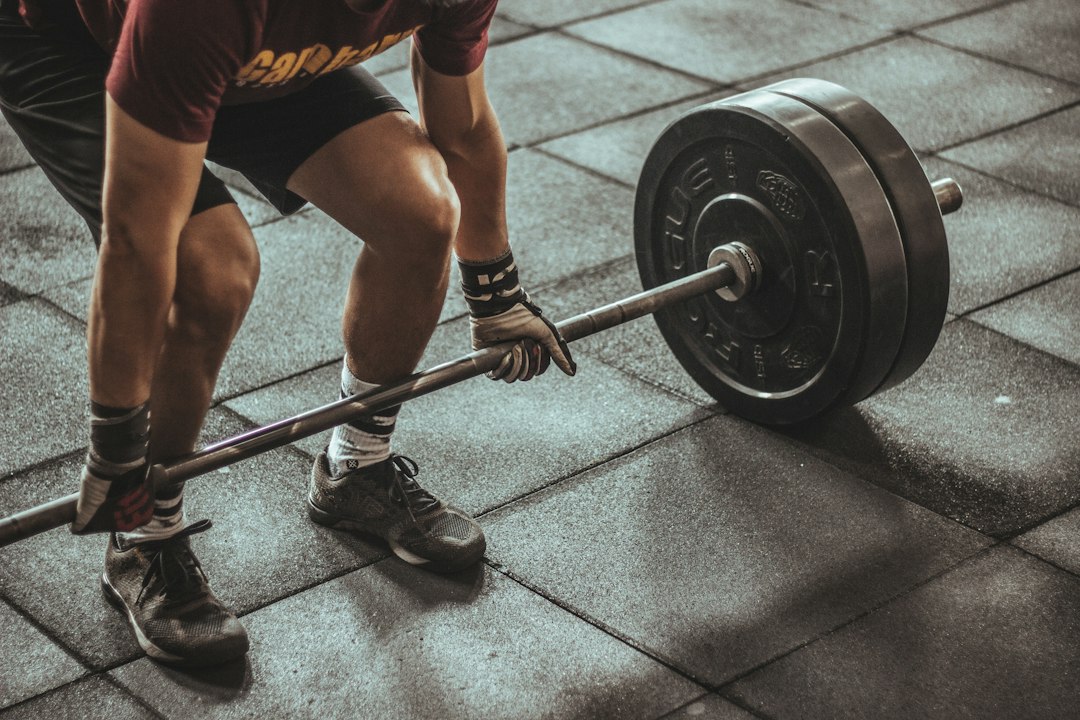
Which brings us to the actual question in the title: Ozempic or lifting, which one preserves muscle after 50? It's a false choice, but it's worth answering directly because so many people frame it that way. Ozempic is a tool for appetite suppression and fat loss. Lifting is the only lever that tells your body to keep muscle rather than burn through it during a deficit. They're not competing mechanisms, they're complementary ones, and the data we've collected across hundreds of Bay Area members bears this out consistently.
Here's what we see on scans when someone is on a GLP-1 without a structured resistance training program: fat mass drops, which feels like a win, but ALMI (appendicular lean mass index, the gold-standard marker of muscle relative to height) also drops, sometimes significantly. We cover this metric in depth in Appendicular Lean Mass Index: The Number Your Doctor Never Checks and in ALMI Score Dropping? Bay Area Scans Expose the Truth, because it's the single most reliable early indicator that the medication's effect is outrunning the body's ability to protect lean tissue. Visceral fat often drops too, which is genuinely good news for metabolic health, but if ALMI is falling at the same rate, you're trading one risk for another, functional strength and independence down the road.
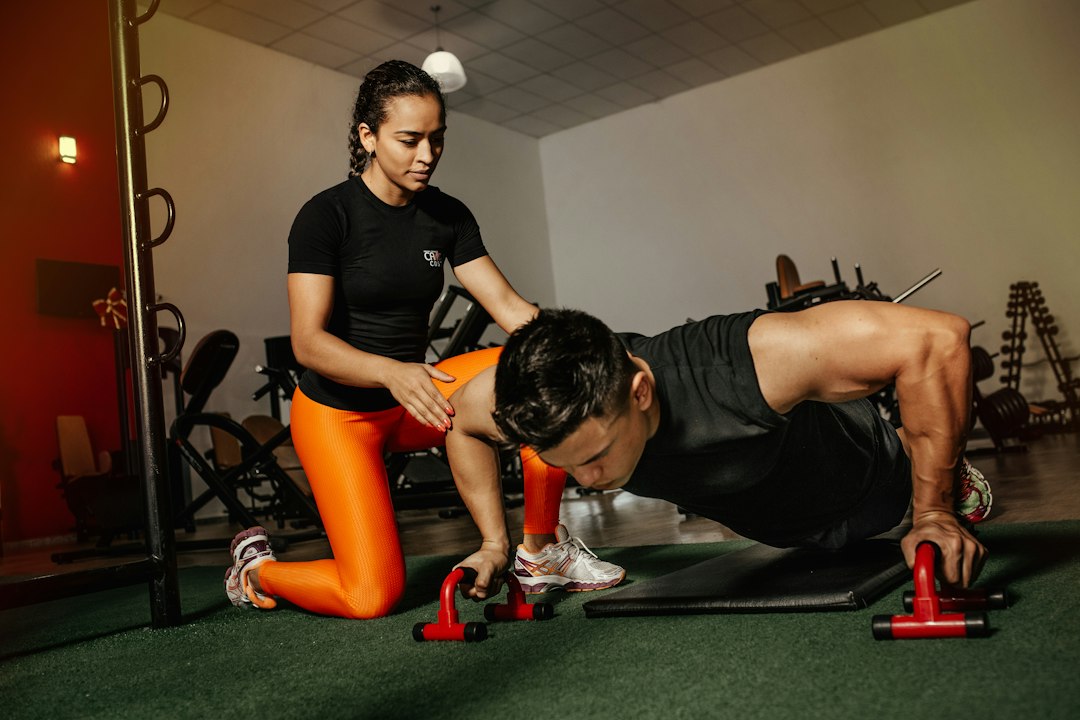
Now here's what we see when someone combines GLP-1 therapy with consistent resistance training twice or more per week, paired with adequate protein intake: fat mass still drops, often just as fast, but lean mass holds steady or even increases slightly. The scan looks completely different. Same medication, same calorie deficit, radically different outcome because of one variable, mechanical tension on the muscle telling the body this tissue is still needed. We saw this exact split play out in Scanning After 60 Days on Tirzepatide: Are You Losing Fat or Muscle?, where two members on nearly identical dosing protocols had drastically different lean mass outcomes based almost entirely on whether they were lifting.
This matters even more after 50 because muscle loss compounds. Sarcopenia already erodes lean mass by roughly 3-8% per decade after 30, accelerating further after 60. Layer an unmonitored GLP-1 deficit on top of that natural decline, and you can lose years of hard-earned muscle in a matter of months. We've documented this acceleration in Lean Mass Loss After 50: Numbers Bay Area Scans Confirm and in Tracking Sarcopenia Risk Before Symptoms Appear Changes Everything, and the pattern is consistent: people assume strength and muscle move together, but they often don't. For a deeper look at that disconnect specifically in the 50+ population, see Strength Returns After 50—But Is Muscle Actually Coming Back?
None of this is an argument against GLP-1 medications. We never shame their use, and for many people they're the single most effective tool for reducing visceral fat and improving metabolic markers. The point is narrower and more practical: if you're on Ozempic, Wegovy, or tirzepatide and you're not resistance training, you are very likely losing more muscle than you need to, and you won't know it until it shows up as weakness, a slower metabolism, or a frustrating plateau once the medication's effect levels off, something we explore in Ozempic Stopped Working—Is Muscle Loss to Blame?
If you're stopping the medication, the stakes get even higher. Without resistance training already in place, the visceral fat and weight you worked to lose tends to return, and it tends to return faster than muscle does, a dynamic we detail in Ozempic Ends—But Does Visceral Fat Actually Come Back? and Semaglutide Stopped—What Happens to Body Fat Next?
The only way to actually know which direction your body is moving, fat down and muscle protected, or fat down and muscle quietly going with it, is to measure both. That's the entire premise behind our coaching model: a baseline DEXA scan before you start, rescans every 30-90 days while you're on the medication, and a resistance training and nutrition program built around what your scan shows rather than what the scale or the mirror suggests. Our analysts, every one NASM-certified, build these programs specifically for the GLP-1 population at our San Francisco, Palo Alto, and Pruneyard locations, adjusting protein targets and training volume as your lean mass data comes in. It's not Ozempic versus lifting. It's Ozempic plus lifting, measured, so you actually know which one is doing what.

Ready to measure what matters?
Book your DEXA scan today and stop guessing about your health.