Pilates Grew Your Endurance—But Shrunk Your Muscle?

Pilates studios across the Bay Area are packed. San Francisco, Palo Alto, San Jose—reformer classes are booked out days in advance, and the people filling those slots are not casual exercisers. They are disciplined, consistent, often doing three to five sessions per week. They feel better. They move better. Their flexibility has improved. Their posture has changed.
And yet, when some of them step into a DEXA scanner, the data tells a story their mirror cannot.
Body fat is holding steady—or in some cases, quietly climbing. Lean muscle mass, particularly in the upper body and legs, is flat or declining. The scale may look fine. But the composition underneath has shifted in a direction that most Pilates practitioners never anticipated when they committed to the method.
This is not an indictment of Pilates. It is a data problem—and a prescription problem. And understanding the difference matters enormously if you are someone who takes your training seriously.
What Pilates Actually Does to Your Body Composition
To answer the question "does Pilates build muscle," you need to understand what building muscle actually requires at a physiological level.
Skeletal muscle hypertrophy—the process of increasing muscle fiber size and total lean mass—demands progressive mechanical tension. That means your muscles need to be challenged with loads that increase over time. Resistance must be sufficient to create micro-damage in muscle fibers, which the body then repairs larger and stronger than before. This process also requires adequate protein intake and caloric support to fuel repair.
Pilates, even reformer-based Pilates with spring resistance, operates primarily through bodyweight and relatively low-load resistance. The movement patterns are excellent. The neuromuscular coordination benefits are real. Core stability, joint mobility, breath control, postural alignment—these are genuine, measurable gains that carry over to injury prevention and functional capacity.
But in most cases, Pilates does not provide the mechanical load necessary to drive meaningful muscle hypertrophy. The stimulus is not absent—it is simply below the threshold that triggers significant lean mass increases for most people, particularly those who are not complete beginners.
The endurance component is different. Pilates sessions often involve sustained, low-intensity muscular contractions held over extended periods. Over time, this trains muscular endurance and can improve VO2 max slightly when paired with cardiovascular demand. You get better at the movements. Your muscles become more efficient. But efficiency is not the same as growth.
The Composition Paradox Scans Keep Exposing
Here is what makes this particularly tricky. When someone is doing Pilates consistently—say, four sessions per week for six months—they often feel stronger. Their performance within the modality improves dramatically. They can hold a teaser, balance on the reformer, complete sequences that would have been impossible when they started. That felt sense of strength is real, but it reflects neuromuscular adaptation and improved coordination rather than an increase in actual muscle tissue.
Simultaneously, if total caloric intake is not matched precisely to activity demands, the body can enter a state of slow, invisible muscle catabolism. This happens particularly when cardio-heavy or endurance-based training displaces resistance work without replacing its muscle-preservation signal.
The result: someone who has been training hard, feels fit, and looks roughly the same—but whose lean mass has quietly declined over months while fat mass has held steady or crept upward. On a standard scale, this change is essentially invisible. Body weight stays flat. But the composition underneath has shifted in a direction that matters enormously for long-term metabolic health, injury resilience, and aging.
This phenomenon is not unique to Pilates. It shows up across endurance-dominant modalities. Zone 2 running all spring can do the same thing. Spinning classes can build your cardiovascular engine while quietly eroding lean mass. The pattern repeats across modalities that emphasize endurance and volume over progressive overload.
Why the Scale and the Mirror Both Miss This
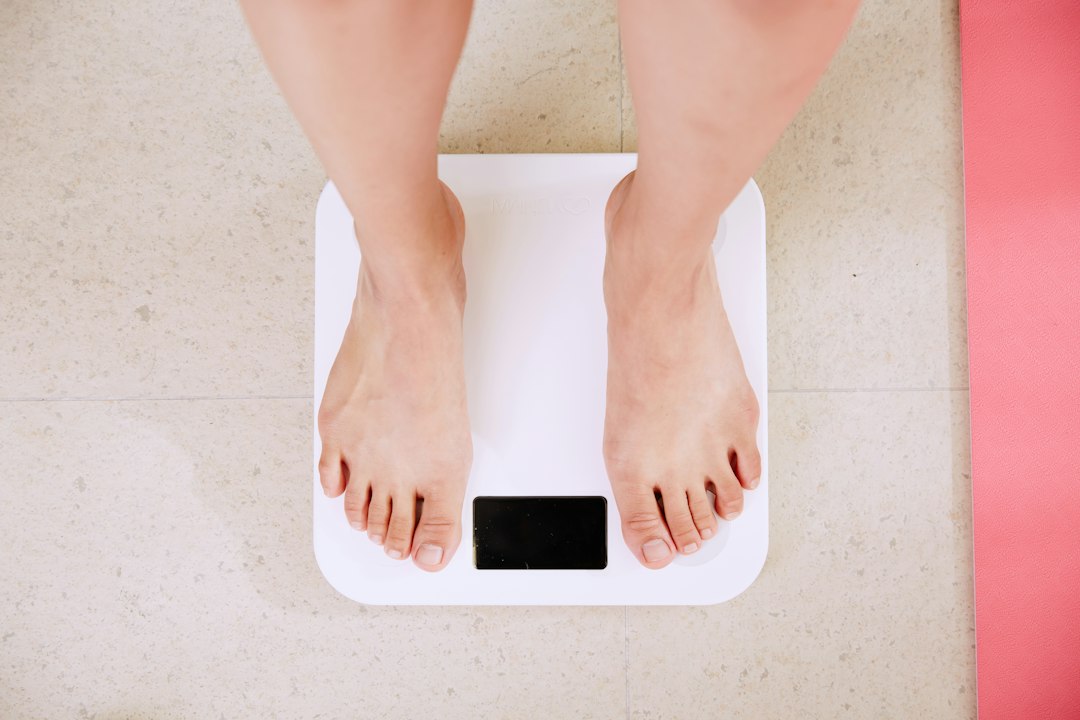
Scale weight is a blunt instrument. It tells you the sum total of everything—muscle, fat, water, bone, organs—without distinguishing between them. A pound of muscle and a pound of fat weigh the same. What they do to your metabolism, your shape, your longevity risk, and your functional capacity is entirely different.
The mirror is similarly limited. Lean mass loss of one to two pounds over six months is essentially invisible to the naked eye. Fat gain of the same magnitude distributes subtly across the body and is easy to miss or attribute to normal fluctuation. Stepping on the scale daily actively hides fat accumulation by drowning the signal in noise.
DEXA—dual-energy X-ray absorptiometry—cuts through all of this. A full-body scan takes less than seven minutes and returns precise measurements of lean mass, fat mass, visceral adipose tissue (VAT), and bone mineral density (BMD), broken down by region. You get left arm versus right arm, trunk versus legs, total body versus appendicular lean mass index.
If your Pilates practice has been increasing your endurance and flexibility while quietly allowing lean mass to decline, a DEXA scan will show you exactly where, by how much, and over what timeframe—provided you are scanning at regular intervals to track change.
This is what makes people who are asking "where to get a DEXA scan near me" well ahead of those still relying on scale weight and feel. The question itself reflects a more sophisticated understanding of what data actually matters.
The Metrics That Matter for Pilates Practitioners
When Kalos coaches review scan results for someone whose primary modality is Pilates or barre, there are several numbers that immediately get attention.
Appendicular Lean Mass Index (ALMI) — This measures the lean mass in your limbs (arms and legs) relative to your height. It is one of the primary clinical markers for sarcopenia risk and functional muscle sufficiency. Pilates practitioners who are not supplementing with resistance training frequently show ALMI values that are lower than expected given their age and activity level.
Lean Mass Symmetry — One of the underappreciated benefits of DEXA is regional breakdown. Pilates does address bilateral movement, but certain reformer exercises and body positioning patterns can reinforce existing asymmetries rather than correct them. Muscle imbalances between left and right are common even in disciplined movers.
Visceral Adipose Tissue (VAT) — This is the metabolically active fat stored around your internal organs. It is functionally invisible without imaging—a lean-looking person can carry significant VAT without knowing it. Pilates's caloric burn is moderate, and if nutrition is not precisely calibrated, VAT can increase independently of subcutaneous fat or scale weight.
Bone Mineral Density (BMD) — This is an area where Pilates practitioners need specific attention. BMD responds best to high-impact, load-bearing stimulus—think running, jumping, heavy resistance training. Pilates, being low-impact and often non-weight-bearing in key positions, does not provide the osteogenic signal that protects against bone loss. For women approaching or in perimenopause, this distinction can be clinically significant. Tracking bone density during perimenopause is one of the most underutilized applications of DEXA scanning.
Is a DEXA Scan Worth It for Pilates Practitioners?
This question—is a DEXA scan worth it—almost always gets answered in the first ten minutes of reviewing results with someone who has been training without objective data.
The scan itself is fast, non-invasive, and uses extremely low radiation (roughly equivalent to a few hours of background radiation at altitude). The cost is comparable to a single premium fitness class. At Kalos, all DEXA services are HSA/FSA eligible, which means many Bay Area professionals are paying for them with pre-tax dollars.
But the value is not in the scan. The scan is the measurement layer. The value is in what you do with the information.
If you have been doing Pilates for six months and feel good, a DEXA scan answers a set of questions that feel matters alone cannot: Is my lean mass actually stable or growing? Has my visceral fat responded to my training and nutrition? Where are my composition asymmetries? Am I building the muscle density that will protect me as I age—or am I maintaining flexibility while quietly losing the tissue that matters most for metabolic health and longevity?
For someone who is already investing three to five hours per week in training and caring enough about their body to read this article, not having that data is the equivalent of building a company without looking at revenue. You might be doing everything right. Or you might be putting in the reps on a strategy that is quietly working against you. You do not know until you measure.
What to Do if Scans Reveal Muscle Loss
The answer is not to quit Pilates. The answer is to stop treating Pilates as a complete training protocol and start treating it as one component of a system that needs to hit multiple stimuli.
At Kalos, this is the prescription problem in action. Plenty of people have good data. They get a scan, see their lean mass numbers, feel concerned—and then do not know what to change. The data without the prescription is incomplete.
For most Pilates practitioners whose scans reveal flat or declining lean mass, the intervention is relatively straightforward:
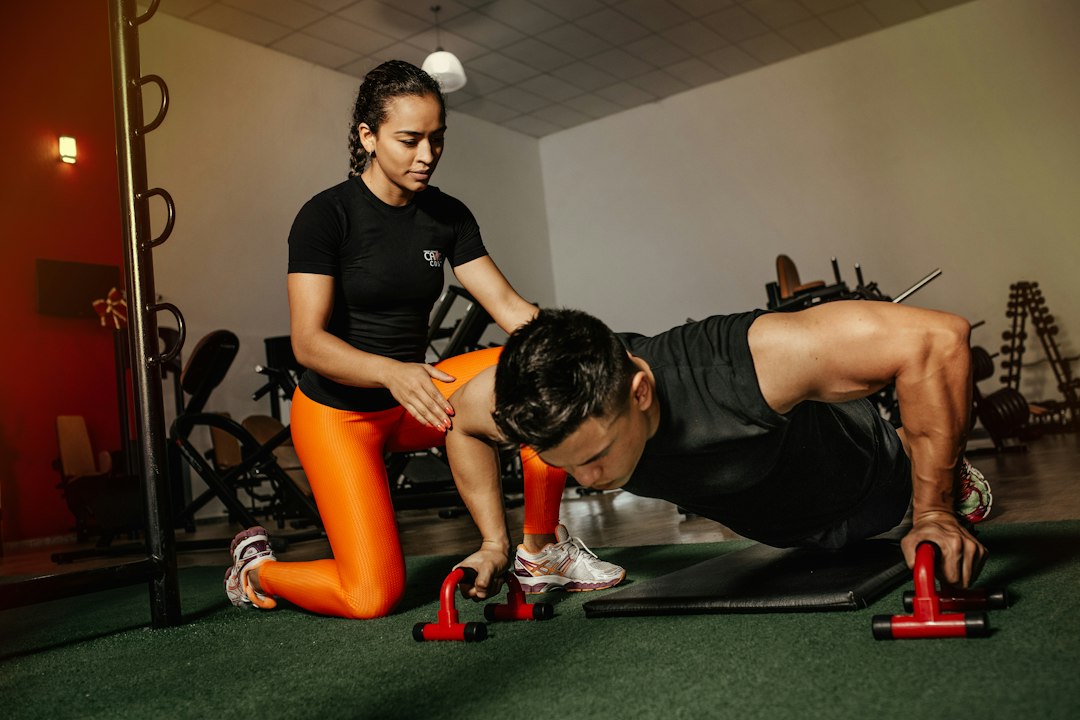
Add progressive resistance training two to three times per week. This does not mean abandoning Pilates. It means layering in compound movements—squats, deadlifts, rows, pressing patterns—with loads that are progressively challenging over time. This is the stimulus Pilates cannot provide and muscle tissue requires.
Recalibrate protein intake. Pilates does not suppress appetite the way high-intensity resistance training does, but it also does not drive the same protein synthesis demand. Many Pilates practitioners are eating moderate protein at levels appropriate for their perceived activity—but insufficient for the lean mass they want to build or preserve. Protein targets mean nothing without measuring actual muscle gains to confirm whether intake is working.
Track at intervals. A single scan is a photograph. Two scans separated by 60 to 90 days is a movie. The trajectory tells you whether your adjustments are working. This is why Kalos members come in for monthly scans—not because the first scan was insufficient, but because change requires time and monitoring. Retesting after 60 days is where the real information lives.
The Kalos Framework Applied to Pilates
Kalos is agnostic to the method. If your DEXA data shows week over week that you are gaining lean mass, losing fat, and maintaining bone density, then what you are doing is working—keep doing it. The question is never "is Pilates good?" The question is "is what you are doing producing the outcomes you actually want in your specific body?"
That is a bottom-up approach. You measure first, then prescribe. The industry typically does the opposite—pick a methodology (Pilates, CrossFit, keto, Zone 2) and hope it works for you. Kalos connects your behavior to your outcomes and adjusts accordingly.
For Pilates practitioners, the framework often reveals that the 80% of exercise results—consistency—is already handled. They are showing up. That is the biggest variable. The 16%—programming—is where the gap tends to live. Adding the right type of resistance work, sequenced correctly, is often the intervention that unlocks the body composition results that Pilates alone cannot reach.
Pilates may not be shrinking your waist for reasons that go beyond muscle—and visceral fat is one of them. Understanding the full picture requires data that only clinical-grade imaging can provide.
Where to Get a DEXA Scan Near You in the Bay Area
Kalos has three Bay Area locations: San Francisco, Palo Alto, and San Jose (Pruneyard). Each location offers full-body DEXA scanning with in-person analysis by NASM-certified performance analysts—not a printout, not an AI chatbot, but a coach who reviews your numbers with you and helps you understand what they mean and what to do about them.
The team includes coaches with backgrounds from Harvard, Yale, Stanford, Cambridge, Meta, Equinox, Olympic Trials qualifying, world-champion rowing, and UFC coaching. The analysis session is where the scan becomes actionable.
Kalos has completed over 3,000 scans and holds a 4.9-star rating across more than 500 Google reviews. All services are HSA/FSA eligible.
If you have been doing Pilates consistently and want to know what your body composition data actually looks like—not what the mirror suggests, not what the scale reports, but what a clinical-grade scan confirms—this is where you start.
BODY ENDS.

Ready to measure what matters?
Book your DEXA scan today and stop guessing about your health.