Pilates Isn't Shrinking Your Waist—Scans Explain Why
The Pilates Promise Versus the Pilates Reality
Pilates studios across San Francisco, Palo Alto, and San Jose are packed. And for good reason—Pilates genuinely delivers on flexibility, posture, core activation, and injury prevention. If you've been going two, three, even four times a week, you've probably noticed real improvements in how your body feels and moves.
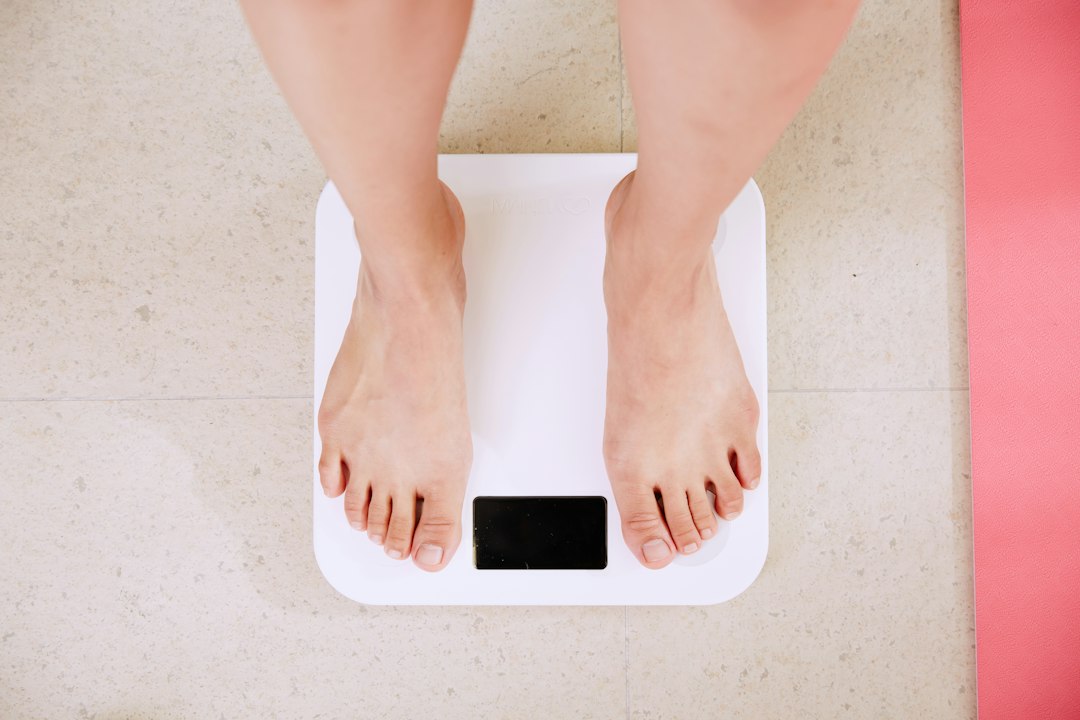
But here's the question almost no one asks out loud: why hasn't the waist changed?
You came in hoping for a leaner midsection. You've been disciplined. You're not missing classes. So what's going on? If you've been searching for where to get a DEXA scan near me to finally get an answer, that instinct is correct. Because the waist problem isn't a Pilates problem—it's a measurement problem, and a body composition problem that Pilates alone was never designed to solve.
What "Waist Shrinking" Actually Requires
When people say they want to shrink their waist, they're usually describing one of two very different things—and they don't always know which one applies to them.
The first is subcutaneous fat: the soft fat layer sitting just beneath your skin that you can pinch. This responds to sustained caloric deficit and, eventually, to building enough muscle mass to raise your resting metabolic rate.
The second is visceral fat: the metabolically active fat packed around your internal organs, deep in your abdominal cavity. You cannot pinch it. You cannot feel it. A tape measure cannot find it. But it's often the primary driver of that stubborn, firm midsection that doesn't move no matter how many Pilates sessions you stack.
DEXA scans quantify both. And what they consistently show among Bay Area Pilates practitioners who come to Kalos frustrated with their results is that their visceral fat has barely moved—sometimes not at all—despite months of consistent practice. Understanding your visceral fat percentage range is the first step toward fixing what Pilates alone cannot.
For reference, a healthy visceral fat area on a DEXA scan is generally considered to be below 100 cm². Moderate risk falls between 100–160 cm². Anything above 160 cm² is associated with significantly elevated metabolic and cardiovascular risk. Many people who look reasonably lean and feel fit are sitting in that moderate-to-high range without any idea. Understanding what your visceral fat score actually means on a DEXA report changes how you approach your entire fitness plan.
Why Pilates Doesn't Target Visceral Fat the Way You Think
Pilates is a low-to-moderate intensity modality. That's not a criticism—it's a mechanical fact. The metabolic demand of a typical Reformer class or mat session is not high enough to drive the sustained caloric expenditure or hormonal responses that meaningfully reduce visceral fat accumulation.
Visceral fat is uniquely stubborn because it's driven not just by caloric surplus, but by cortisol, insulin sensitivity, and hormonal regulation. The interventions that most reliably reduce it are: progressive resistance training that builds metabolically active lean muscle mass, sustained cardiovascular work at intensities that create real energy deficit, and—critically—nutritional changes that address the caloric and hormonal inputs causing visceral fat to accumulate in the first place.
Pilates contributes to none of these in a dose that's sufficient to move the needle on visceral fat for most people. That doesn't mean it's worthless. It means it's the wrong tool for this specific job.
The fitness industry's problem is that it sells methodologies first and asks questions never. You pick Pilates (or keto, or spin, or intermittent fasting), commit to it, and hope it works for you. When it doesn't, you assume you're doing something wrong. The same pattern shows up with daily cardio practitioners who are equally frustrated: consistent effort, minimal visceral fat reduction, no clear explanation.
At Kalos, we work in the opposite direction. We measure first—visceral fat, lean mass, body fat distribution—and then determine which tools are actually appropriate for your specific body composition profile. If Pilates fits into that plan, great. If your DEXA shows you need to prioritize progressive resistance training and a caloric intervention instead, we tell you that, directly.
How Many Pilates Classes to See Results—The Real Answer
If you've been Googling how many Pilates classes to see results, you've probably found answers ranging from "4 weeks" to "3 months" to "it depends." All of those answers are useless without knowing what results you're measuring and what your starting body composition actually looks like.
Here's what the data tends to show among Kalos members who come in as regular Pilates practitioners:
- Flexibility and mobility: Genuine, measurable improvement. Pilates delivers here.
- Core strength and activation: Real improvement, especially in anterior core endurance.
- Lean muscle mass: Minimal to no significant change. Pilates does not provide sufficient progressive overload to drive meaningful hypertrophy in most populations.
- Total body fat percentage: Little to no change without a nutritional intervention running in parallel.
- Visceral fat: Essentially unchanged for most practitioners, regardless of session frequency.
This is not about how hard you're working in class. It's about the fact that the stimulus Pilates provides is not matched to the physiological requirements of the outcomes you're chasing. A DEXA scan makes this unmistakably clear in a way that weeks of journaling, progress photos, and tape measurements simply cannot.
If your goal is a leaner waist and reduced visceral fat, the honest answer is: no number of Pilates classes alone will get you there. You need to build lean muscle mass through progressive resistance training, create a meaningful caloric deficit (with macros that protect that muscle), and track your actual body composition over time—not just how you feel after class.
What DEXA Actually Shows After Months of Pilates
When a Pilates practitioner walks into Kalos for their first scan, what we typically see is a specific pattern: body weight is relatively stable, the scale isn't alarming, and they feel stronger than before. But the DEXA tells a more complicated story.
Total lean mass is often lower than expected for someone who's been training consistently. Appendicular lean mass index—the measure of functional muscle in the arms and legs—is frequently below the optimal range for their age and sex. Visceral fat is often higher than the person expected given how "active" they feel. And regional muscle distribution sometimes shows that the dominant muscle groups being trained in Pilates (transverse abdominis, hip flexors, spinal erectors) are not the large-mass muscle groups that drive meaningful metabolic change.
The body you see in the mirror and the body that DEXA reveals can be surprisingly different. Some people are losing inches but gaining fat—a paradox that only becomes visible when you have a clinical measurement tool separating lean mass from fat mass in precise regional detail.
This is the description problem the fitness industry hasn't solved. Steps, heart rate, perceived effort—these are the wrong data. Without DEXA's gold-standard metrics, you're navigating without a map.
The Visceral Fat Variable Most Pilates Practitioners Are Missing
One reason visceral fat accumulates even in active people is cortisol. Bay Area professionals are among the highest-stress populations in the country. Long hours, relentless cognitive load, poor sleep architecture, and high-stakes work environments create a chronic cortisol environment that directly promotes visceral fat deposition—regardless of workout frequency.
Pilates is often marketed as a stress-reduction modality, and it does have parasympathetic benefits. But the cortisol-to-visceral-fat pathway is strong enough that a 45-minute Pilates session cannot reliably counteract what 10 hours of high-stakes cognitive work does to your abdominal fat profile. This is why even lean-looking Bay Area professionals are often carrying surprising visceral fat levels that their lifestyle and workout habits don't seem to explain on the surface.
The fix requires addressing both sides: reducing the inputs (nutrition, sleep, stress) and increasing the metabolic demand through training that builds lean mass and creates genuine caloric expenditure. Pilates can be part of a balanced program. It cannot be the whole program if visceral fat reduction is the goal.
What a DEXA-Informed Plan Actually Looks Like
At Kalos, we don't tell people to quit Pilates. We tell them what Pilates is actually delivering for their body, and what it isn't—then we build the plan around the data.
A typical coaching member who comes in as a frustrated Pilates practitioner will leave their first session with a clear picture of their visceral fat level relative to healthy ranges, their lean mass relative to age- and sex-matched norms, a prioritized intervention plan (which almost always starts with adding two days of progressive resistance training and adjusting protein targets), and a follow-up scan date 60–90 days out to verify that the plan is working.
That last piece matters more than most people realize. Retesting at 60 days is where the plan either gets validated or adjusted. Without that measurement loop, you're back to guessing. And guessing is exactly how people end up in the same place a year later, still wondering why their waist hasn't changed.
The Kalos framework is agnostic to the method. We're not anti-Pilates. We're anti-guessing. If the data shows your plan is working—lean mass up, visceral fat down, body fat percentage trending in the right direction—we keep doing what's working. If it isn't, we change it. That's not a complicated principle. It's just not how the fitness industry operates, because the fitness industry doesn't measure outcomes.
Where to Get a DEXA Scan Near Me in the Bay Area
If you're in San Francisco, Palo Alto, or San Jose and you're ready to stop guessing about what your Pilates practice is actually doing to your body composition, Kalos has three Bay Area locations offering clinical-grade DEXA scanning with in-person analysis from NASM-certified performance analysts.
The scan itself takes about 10 minutes. The analysis session is where the value compounds: a coach walks through your visceral fat score, lean mass distribution, regional body fat data, and what your numbers mean for the specific goals you walked in with. Every scan is HSA/FSA eligible.
For members who want more than a one-time data point, Kalos coaching memberships (available at 6-month, 1-year, and 2-year tiers) combine monthly scans with personalized programming and nutrition guidance—building the measurement loop that turns a single scan into a transformation trajectory.
The waist you're working toward isn't hiding because you haven't found the right Pilates class. It's waiting for the right data. Find out whether your Pilates routine is actually building lean muscle—or just making you more flexible—and build your plan from there.

Ready to measure what matters?
Book your DEXA scan today and stop guessing about your health.