Cutting Carbs After 40 Destroys More Muscle Than Fat

Somewhere around 40, a lot of men decide carbs are the enemy. The logic feels sound: cut carbs, drop insulin, burn fat, look leaner. But what actually shows up on a DEXA scan tells a very different story for men in this age bracket—one where lean tissue disappears faster than adipose tissue, and the number on the bathroom scale masks the damage entirely.
This isn't a knock on low-carb eating as a strategy. It's a warning about how that strategy interacts with a body that's already fighting an uphill battle against age-related muscle loss.
What Happens to Men's Bodies After 40
After 40, men experience a measurable decline in anabolic hormone output, a slowdown in muscle protein synthesis, and an acceleration of sarcopenia—the gradual, often invisible loss of skeletal muscle. Left unmanaged, men can lose 3-8% of muscle mass per decade starting in their 40s. Add a caloric deficit and a steep carbohydrate restriction on top of that biology, and you've created ideal conditions for lean tissue loss to outpace fat loss.
We've written before about how muscle loss after 40 shows up in Bay Area scan data, and the pattern is consistent: men assume they're "just getting older," when in reality their nutrition strategy is actively accelerating the problem.
Does a Low-Carb Diet Cause Muscle Loss?
Carbohydrates aren't just fuel for output—they're a muscle-sparing macronutrient. When carb intake drops too low, especially in a caloric deficit, your body has fewer readily available glycogen stores to draw on during training. Without adequate glycogen, the body increasingly turns to muscle protein for gluconeogenesis, converting amino acids into glucose to keep blood sugar stable. That process doesn't discriminate between "extra" muscle and muscle you built over a decade of training.
This is the same mechanism we've seen play out in other aggressive restriction protocols. Our analysis on fasting after 50 destroying more muscle than fat found nearly identical patterns—the body prioritizes short-term glucose availability over long-term lean tissue preservation, especially in men and women who train hard but eat in a severe deficit without protein support.
Under Kalos's own nutrition framework, macronutrient quantity—calories, protein, carbs, and fat—drives roughly 80% of body composition outcomes. Timing and food quality matter, but they're secondary. When men over 40 slash carbs without recalculating total calories and protein targets, they're not making a smart quality trade-off. They're accidentally sabotaging the 80% that actually moves the needle.
Why the Scale Lies to You
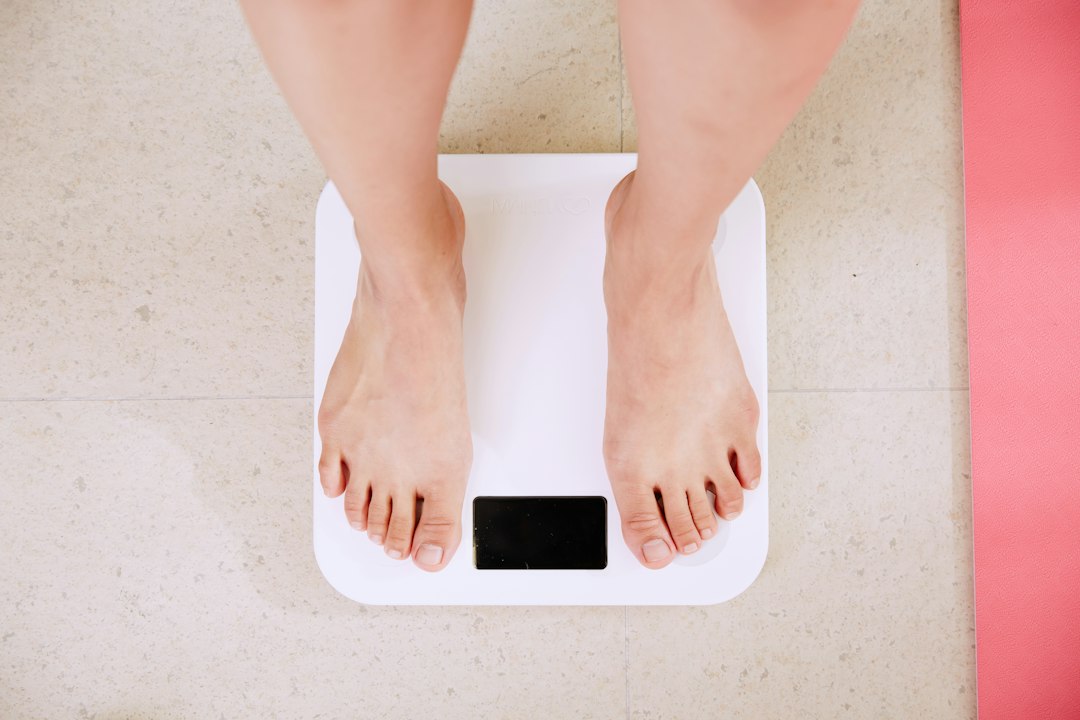
Low-carb diets produce fast, dramatic drops on the scale in the first two weeks—largely from water weight tied to depleted glycogen stores. Men see that number fall and assume it's fat. It's usually not. We've broken this exact confusion down in muscle versus scale weight after 40: the number on a scale cannot distinguish between four pounds of water, two pounds of muscle, and half a pound of fat. Only a body composition scan can.
This is where the "top-down" approach the fitness industry runs on falls apart. Pick a diet, hope it works, judge success by a single number. Kalos operates bottom-up: we measure lean mass, fat mass, and visceral fat directly, then adjust the plan based on what your body is actually doing—not what the method promises it should do.
What a Low-Carb Diet for Muscle Gain and Fat Loss Actually Requires
Low-carb eating can absolutely coexist with muscle preservation—even muscle gain—if it's built correctly. That means:
Protein first, non-negotiable. Men over 40 need higher protein intake than younger lifters to overcome anabolic resistance—the reduced sensitivity to muscle-building signals that comes with age. We've compared sources directly in protein shakes versus whole food for muscle building, and the takeaway is simple: hit your number, whatever the source.
Don't cut carbs and calories aggressively at the same time. Pick one lever. A moderate carb reduction with maintenance-level calories preserves training performance far better than a steep cut on both fronts simultaneously.
Keep resistance training frequency high. Without a strong mechanical signal to keep muscle, the body has no reason to protect it during a deficit. Our piece on resistance training frequency and muscle building outlines how many sessions per week actually matter here.
Track appendicular lean mass, not just weight. This is the metric that predicts long-term function and independence. Stanford researchers identified it as a leading indicator of longevity, which we cover in the muscle metric that predicts longevity. It's also the exact number your annual physical never checks—something we explore in Appendicular Lean Mass Index: the number your doctor never checks.
Sarcopenia Doesn't Wait for Symptoms
The most dangerous part of muscle loss after 40 is that it's invisible until it isn't. Clothes fit fine, the scale looks stable, strength numbers hold steady for a while—and then, seemingly overnight, they don't. Our research on tracking sarcopenia risk before symptoms appear shows why waiting for a visible sign is already too late to intervene efficiently. By the time you notice, you're not preventing muscle loss anymore—you're trying to rebuild from a deficit.
For men already deep into a "longevity stack"—concierge physicals, quarterly bloodwork, a personal trainer—this is the blind spot. None of those tools measure lean mass directly. A DEXA scan does. It's the only way to know, definitively, whether your low-carb approach is preserving the muscle you've spent years building or quietly trading it away for a faster number on the scale.
If you're restricting carbs to lean out after 40, the question isn't whether the scale is moving. It's what's actually leaving your body when it does. Kalos scans measure that directly—fat mass, lean mass, and visceral fat, broken out with clinical precision—so your nutrition plan can be adjusted based on data instead of guesswork. If you're not tracking it, you're not managing it.

Ready to measure what matters?
Book your DEXA scan today and stop guessing about your health.