Couples Who Train Together: Do Both Bodies Actually Change?

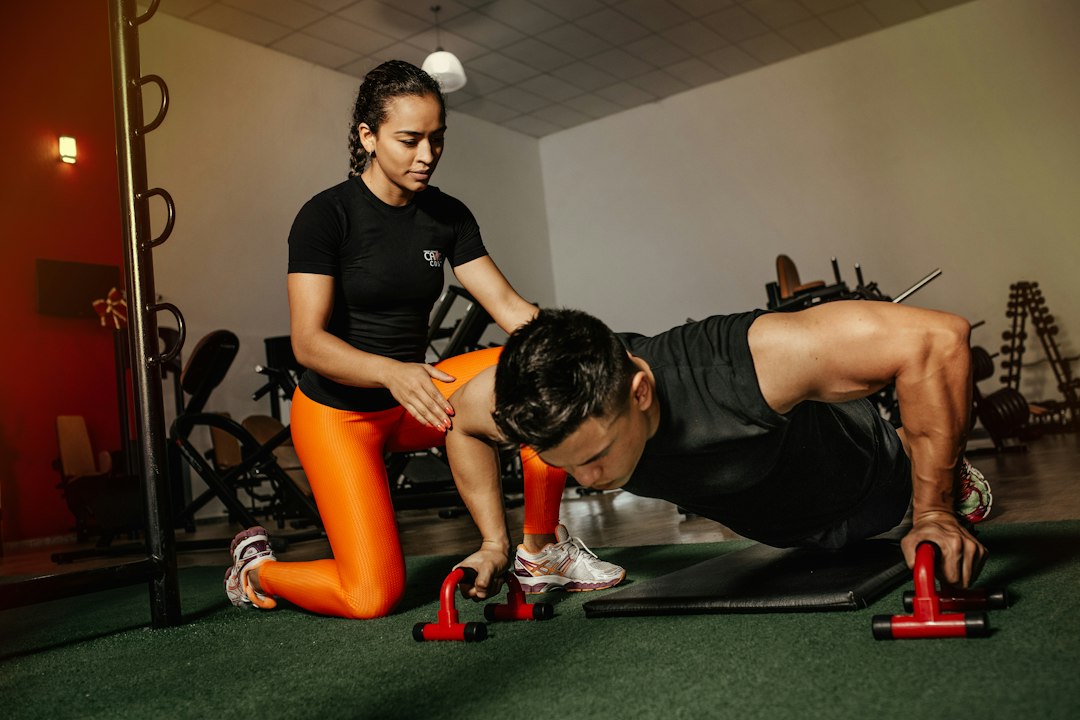
You signed up for the same gym. You go to the same classes. You even split the same protein bars in the car afterward. So why does he look leaner after eight weeks while you feel like nothing's changed?
This is one of the most common questions we hear from couples who walk into Kalos together. The assumption is that shared effort produces shared results. The reality, according to the data, is far more complicated — and far more interesting.
**Same Routine, Different Bodies**
Two people can eat the same dinner, lift the same weights, and sleep the same seven hours, and still walk away from a 90-day cycle with completely different outcomes. Sex, age, baseline muscle mass, hormonal profile, and years of training history all shape how a body responds to the exact same stimulus.
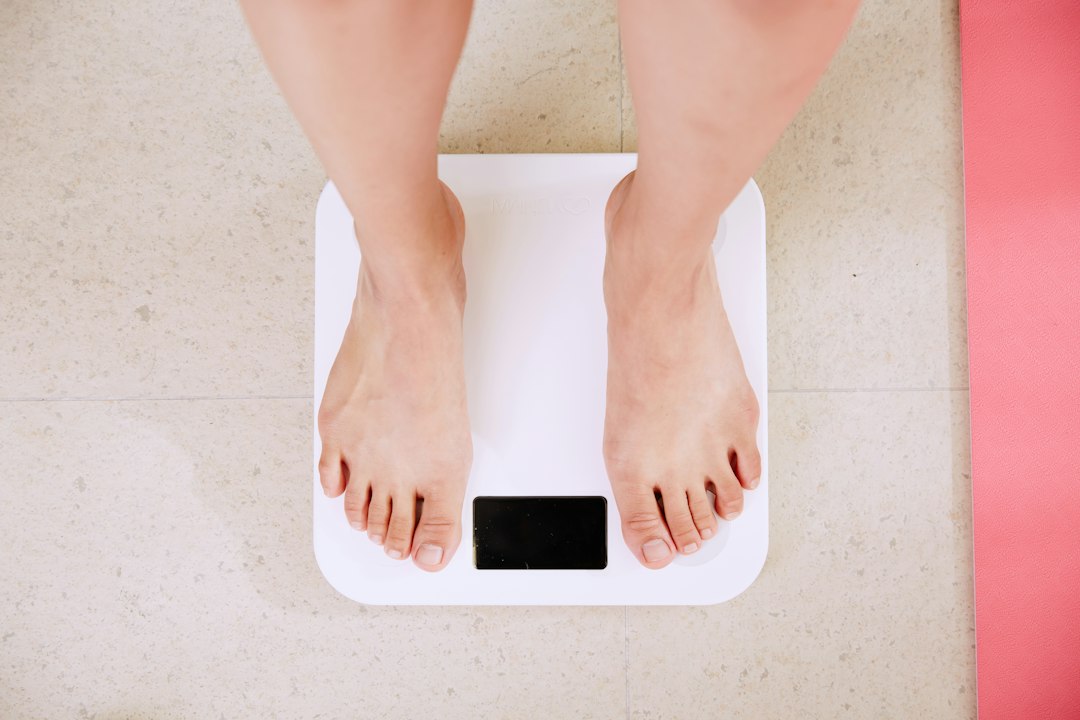
A DEXA scan is the only way to actually see this. Where a bathroom scale gives you one number — total weight — a scan breaks that number into fat mass, lean mass, and bone density for each side of the body independently. Two partners can lose the exact same amount of scale weight and be doing completely different things internally: one losing fat, the other losing a worrying amount of muscle. This is the same disconnect we cover in Muscle Versus Scale Weight: What Matters More After 40 — the scale simply isn't built to answer the question couples are actually asking.
**Why Motivation Doesn't Equal Measurement**
Here's the trap a lot of couples fall into: one partner feels like the plan is working because their pants fit differently, while the other partner — doing the identical program — feels stuck and starts to quietly lose motivation. Without data, this becomes a source of frustration instead of insight. With a scan, it becomes a simple explanation. Maybe one partner is retaining water differently. Maybe one started with significantly more visceral fat and is seeing that drop first, which doesn't always show up visually right away.
This is the same story we see in couples on GLP-1 medications, where one partner might be losing weight quickly while the other's results lag — and the difference often comes down to how much lean mass is being preserved, not how "hard" someone is trying. If this sounds familiar, our piece on Losing Weight on GLP-1s Without Destroying Your Muscle digs into why two people on the same medication can see wildly different scans.
**The Case for Scanning as a Couple**
At Kalos, we see a specific pattern with couples 35–55, especially parents whose kids are now old enough that the daily grind has eased up. After a decade-plus of prioritizing everyone else, training together becomes less about vanity and more about reclaiming 30 minutes that belongs to both of you. But without a shared, objective way to track progress, that shared effort can quietly become a shared frustration.
This is exactly why couples searching for a **dexa bone density scan near me** or a **dexa scan for body composition** often book together instead of separately. A joint scan session means:
- You're both working from the same gold-standard baseline (body fat %, lean mass, visceral fat, bone density)
- You can see, in the same room, why your bodies respond differently to identical inputs
- Neither partner is left guessing whether their version of "trying hard" is actually working
- Accountability becomes built-in — quitting on a plan your partner can see the data for is a lot harder than quitting on yourself alone
**What the Scan Actually Reveals**
When couples come in together, we often see one of three patterns emerge:
1. **The Visceral Fat Gap.** One partner — often the one who's spent more years in a high-stress desk job — carries significantly more visceral adipose tissue (VAT) than total body fat percentage would suggest. This is the fat wrapped around organs that doesn't always show up as "looking heavier," but drives real health risk. We've written about this disconnect in Scale Says Healthy—Your Visceral Fat Tells a Different Story.
2. **The Lean Mass Divide.** Especially in couples where one partner has a longer strength training history, the same 12 weeks of lifting can produce noticeably more lean mass gain for the more experienced lifter, simply because their neuromuscular system already knows how to recruit muscle efficiently. Beginners often need more time before results become visible — even if the internal adaptations are already happening.
3. **The Bone Density Signal.** For couples over 40, this is often the most overlooked metric. One partner may show early signs of declining bone mineral density while the other doesn't — a difference invisible without a scan, and one that becomes more relevant every year past 40, as we cover in Bone Loss Accelerates in Your 40s—Are You Measuring It?.
**It's Not a Competition — It's a Baseline**
The goal of scanning together isn't to declare a winner. It's to stop guessing and start comparing two individual data sets against two individual starting points. What "working" looks like for your partner might look completely different for you, and that's not a failure — it's physiology.
**Finding the Right Place to Scan**
If you've been searching **where to get a dexa scan near me**, the difference between a stripped-down commodity scan and a clinical-grade session with real analysis matters more than people expect. A number on a printout means very little without someone explaining what it means for your specific training history, sex, and age — and even less if there's no plan for what to do next.
At Kalos, every scan comes with an in-person breakdown from a NASM-certified analyst who can walk both partners through their individual results side by side — what's driving the differences, and what a coaching plan built around your actual data (not your partner's) would look like. With locations in San Francisco, Palo Alto, and San Jose (Pruneyard), and over 3,000 scans completed, we've seen this exact scenario play out with hundreds of couples.
If your training feels stuck — or one of you feels like the plan "isn't working" while the other sees results — the fastest way to find out why isn't another shared spreadsheet. It's a scan.

Ready to measure what matters?
Book your DEXA scan today and stop guessing about your health.