Sober October Ends—Did Your Body Fat Actually Change?

Sober October has a clean premise: cut alcohol for a month, feel better, maybe lose some weight. Millions of people do it every year. And every November, the same question surfaces—did anything actually change?
Not how you feel. Not your sleep score. Not your energy levels. Those are real, but they're subjective. The question worth asking is harder: did your body fat percentage drop? Did visceral fat shift? Did you lose anything you didn't want to lose?
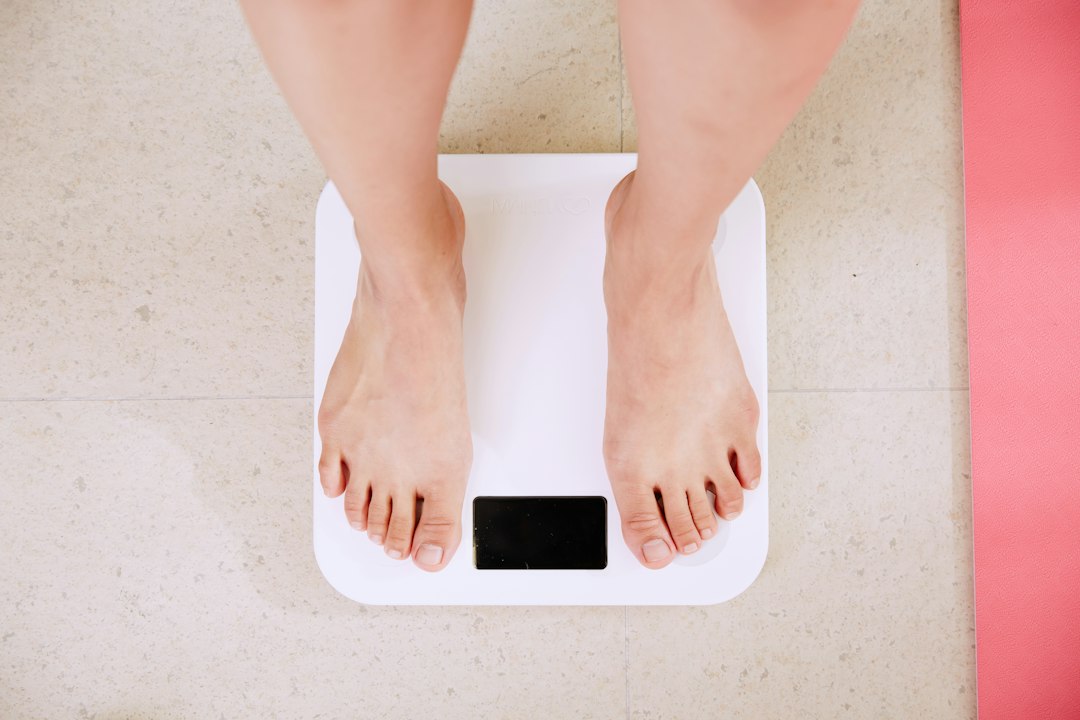
That's where most people have no data. They finished the month, stepped on a scale, saw a number that was maybe a little lower, and called it a win. Or they saw no change and felt defeated. Neither reading tells you what actually happened inside your body.
What the Sober October Rules Actually Do (And Don't Do)
The standard sober october rules are straightforward: no alcohol for the entire month of October. No exceptions, no "just one drink" weekends. Thirty-one days, full stop.
That part is clear. What's less clear is what people expect to happen physiologically—and why those expectations frequently collide with reality.
The most common assumption is that removing alcohol means automatic fat loss. That's partially grounded in real biology, but it's more complicated than the headline version suggests.
Does Alcohol Stop Fat Burning? The Actual Mechanism
Yes—and the answer to "does alcohol stop fat burning" is one of the more well-supported pieces of nutrition science. When alcohol enters your system, your liver prioritizes metabolizing it above everything else. Acetate, the byproduct of alcohol metabolism, becomes your body's preferred fuel source. Fat oxidation essentially pauses while your liver handles the alcohol load.
This isn't a minor rounding error. Studies show that even moderate alcohol consumption can suppress fat burning by up to 73% for several hours post-consumption. If you're drinking three or four nights a week, you're spending a meaningful portion of your week in a suppressed fat-burning state.
There's also the caloric dimension. A glass of wine runs roughly 120–150 calories. A craft beer can hit 200. A cocktail with mixers can clear 300. None of these trigger meaningful satiety hormones, so they stack on top of your normal food intake rather than replacing it. And because alcohol lowers inhibition, the late-night snacking that follows drinking adds another layer.
So in theory, removing alcohol for 31 days should create a meaningful caloric deficit, restore normal fat oxidation, and translate into measurable body composition changes.
In practice? It depends on what you replace it with.
Why Some People Finish Sober October With No Fat Change
This is the part the wellness industry tends to gloss over.
If you swapped your evening glass of wine for sparkling water, you likely created a real deficit. If you swapped it for mocktails loaded with juice and simple syrup, you may have replaced most of those calories. If you compensated with extra dessert or larger portions because you felt you "deserved it," the deficit disappears.
Then there's the social dimension. October often involves Halloween parties, work events, and fall gatherings where the food landscape changes. Removing alcohol doesn't automatically clean up everything else that surrounds drinking culture.
And for people whose drinking was already light—one drink a week, or clustered only on weekends—the physiological impact of cutting alcohol is smaller than someone who was drinking daily. The math is different for different people, and a flat rule like "no alcohol for October" produces wildly different physiological outcomes depending on your baseline.
What Actually Shows Up on a DEXA Scan After 31 Days Alcohol-Free
This is the question that clinical-grade body composition measurement was built for.
People who complete alcohol-free months and then get scanned often find one of three scenarios. The first: meaningful fat loss with muscle preserved or gained, especially if they used the month to train harder with clearer heads and better recovery. The second: modest fat reduction with the scale telling a similar story—real but not dramatic. The third: near-identical scan results to their pre-October baseline, despite feeling significantly better.
That third group is the most instructive. Feeling better is real and valuable. Improved sleep, less puffiness, clearer thinking—those are genuine benefits of an alcohol-free month. But they don't always correlate to measurable changes in fat mass. And without a scan, people in this group either believe they made progress they didn't, or feel defeated when the scale didn't move, when in reality they preserved muscle while their recovery improved.
The scan separates these stories. Visceral adipose tissue—the metabolically active fat stored around your organs—tends to be more responsive to alcohol removal than subcutaneous fat. Some people who see minimal scale movement after Sober October find that their VAT score has dropped meaningfully. That's a longevity win that the scale will never catch.
Dry January scan data tells a similar story—the biggest changes often show up in visceral fat, not total weight.
Where to Get a DEXA Scan for Body Fat in the Bay Area
If you're asking where to get a dexa scan for body fat after completing Sober October, you want a facility that doesn't just hand you a printout and send you home.
Kalos operates in San Francisco, Palo Alto, and San Jose (Pruneyard), and the scan is explicitly the entry point—not the product. The real value is what happens in the in-person analysis session afterward, where a NASM-certified performance analyst walks through your results, connects your behavior during the month to your actual tissue changes, and identifies what to do next.
That means if you went alcohol-free for 31 days and your visceral fat dropped but your muscle mass slipped too, you'd know exactly what to fix and why. If your fat stayed flat despite cutting alcohol, the analysis surfaces what else is working against you.
All scans are HSA/FSA eligible. Kalos has completed 3,000+ scans and holds a 4.9-star rating across 500+ Google reviews.
The Real Problem With One-Month Challenges
Sober October works as a reset. It's a real pattern interrupt—especially for people who've been drinking habitually without thinking about it. The rules are clear, the timeline is finite, and the social accountability is built in.
What it doesn't do is produce a permanent body composition shift on its own.
The physiology is real: removing alcohol does measurably change fat-burning dynamics. But 31 days of one variable being controlled doesn't override the other variables—calories, protein intake, training volume, sleep quality, stress—that determine what actually happens to your tissue.
What Sober October is genuinely useful for is establishing a baseline of what your body can do without alcohol in the picture. You feel what recovery feels like when you're not managing a mild hangover. You see what your training output looks like without alcohol suppressing your Saturday workout. You discover whether your evening eating patterns were being driven by drinking.
That's valuable information. But it's information you should be capturing, not guessing at.
If You Did Sober October, Now Is the Right Time to Scan
The month just ended. Your body has had 31 consecutive days of alcohol-free metabolism. Whatever happened—fat loss, muscle gain, visceral fat reduction, or no change at all—is readable right now in your tissue composition. Wait another month and the signal gets muddier as November habits layer on top.
The question "did it work?" has a measurable answer. You don't have to rely on how you feel, what the scale said, or how your jeans fit.
People who scanned after Dry January found that the answers were often surprising—and almost always more actionable than what they assumed going in.
If you're in the Bay Area and finished Sober October, this is the exact moment to capture what the month actually did. Book a scan at any Kalos location—San Francisco, Palo Alto, or San Jose—and find out whether your 31 days moved the needle where it counts.

Ready to measure what matters?
Book your DEXA scan today and stop guessing about your health.