Perimenopause Belly Fat Is Different—Scans Prove It

Why Perimenopause Belly Fat Feels Different—Because It Is
If you're in your late 30s or 40s and suddenly noticing fat accumulating around your midsection despite eating the same way you always have, you're not imagining things. Perimenopause belly fat is physiologically distinct from the fat you may have gained and lost at other points in your life. It behaves differently, sits in different places, and responds differently to the interventions that used to work.
The reason comes down to estrogen. As estrogen levels begin their gradual decline in the years before menopause, your body's fat distribution pattern shifts. Fat that previously accumulated subcutaneously—just beneath the skin, around the hips, thighs, and buttocks—begins migrating inward. It accumulates as visceral adipose tissue (VAT), the metabolically active fat that wraps around your abdominal organs. This isn't cosmetic fat. It's the fat associated with elevated cardiovascular risk, insulin resistance, and systemic inflammation.
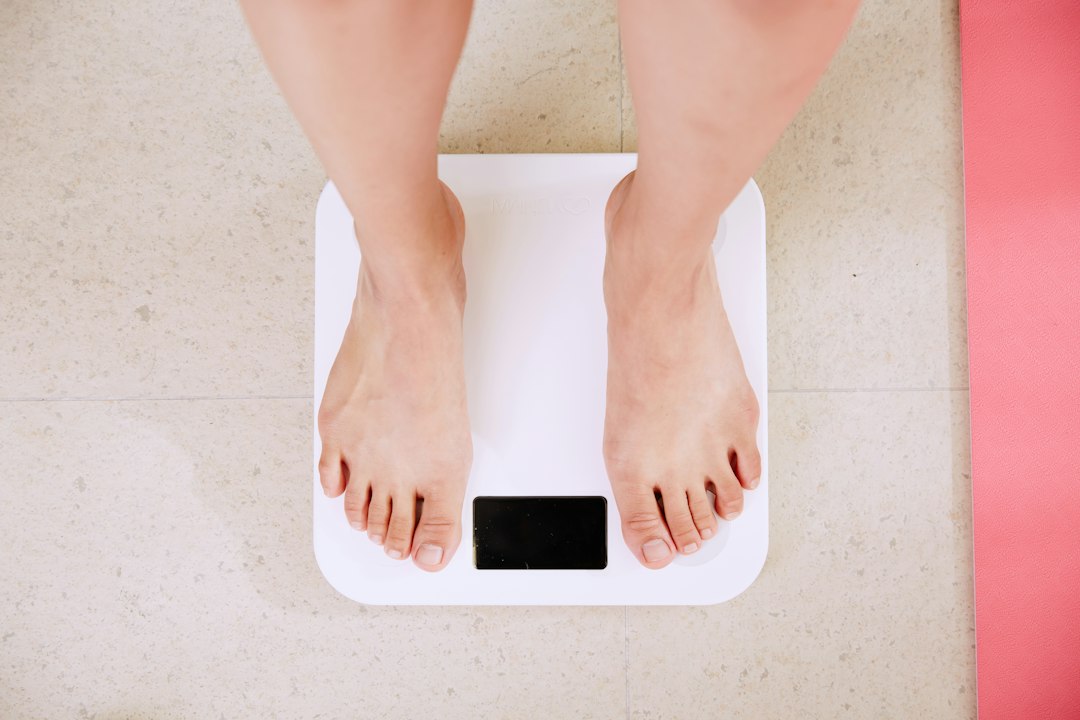
The scale doesn't show this shift. Your clothes might still fit. Your BMI doesn't change. But inside, your body composition is undergoing a meaningful transformation—one that has real implications for your long-term health.
This is exactly why DEXA scans outperform BMI as a measurement tool for women in this life stage. DEXA doesn't just weigh you. It maps where fat actually lives in your body, down to specific regions: android (around the midsection), gynoid (hips and thighs), visceral, and total. For perimenopausal women, that distinction is everything.
What DEXA Scans Actually Show in Perimenopausal Women
At Kalos, we've completed over 3,000 DEXA scans across our Bay Area locations in San Francisco, Palo Alto, and San Jose. The pattern we see consistently in perimenopausal clients—women typically between 38 and 52—is striking and clinically meaningful.
Three things show up repeatedly:
1. Visceral fat is rising faster than total body fat. A woman can gain two pounds on the scale and look roughly the same in the mirror, but her DEXA scan reveals that visceral fat has increased meaningfully while subcutaneous fat has stayed relatively stable. This is the estrogen-driven redistribution happening in real time.
2. Lean muscle mass is declining simultaneously. Estrogen is also muscle-protective. As levels drop, so does the hormonal environment that supports muscle retention. We frequently see perimenopausal women losing lean mass from their legs and arms while gaining fat centrally. The net effect on scale weight is sometimes zero—but the body composition story is significant. This is sometimes called the "body recomposition in reverse" pattern, and it's one of the most underdiagnosed changes in this population.
3. Bone mineral density is beginning to decline. DEXA measures this too. The same estrogen decline that drives visceral fat accumulation also accelerates bone turnover. We've covered this in depth in our piece on perimenopause fitness and bone density loss—but the short version is that perimenopause is not too early to start tracking this metric. It is, in fact, exactly the right time.
For women who want to understand what's happening with their body composition across all three dimensions—fat distribution, muscle mass, and bone density—a single DEXA scan provides more actionable data than years of blood panels and scale readings combined.
The Supplement Aisle Won't Save You—But Here's What Actually Matters
Search "best supplements for perimenopause belly fat" and you'll find an overwhelming list: black cohosh, DIM, maca root, berberine, magnesium, ashwagandha, omega-3s, probiotics. The marketing is compelling. The evidence for most of them is thin.
This isn't to say supplements are useless. Some have genuine supporting data in specific contexts. But the honest answer about where supplements sit in your overall strategy is this: they're in the 1% tier.
At Kalos, we use a framework for ruthless prioritization. For nutrition, it looks like this:
- 80% is quantity—calories, protein, macros. This is the foundation. More generalizable, more supported by science. Getting this right is the highest-leverage move you can make.
- 16% is quality—fiber versus sugar, saturated versus unsaturated fat, processed versus whole foods. Meaningful, but secondary.
- 3% is timing—intermittent fasting, carb cycling, protein uptake windows. Helpful at the margins.
- 1% is highly individual—supplements like ashwagandha, berberine, DIM. Less generalizable. More art than science. For some people in specific contexts, genuinely useful. For most people who haven't addressed the 80% yet, essentially irrelevant.
The reason the supplement industry targets perimenopausal women so aggressively is that this population is genuinely struggling—and genuinely looking for answers. The belly fat is real. The fatigue is real. The frustration is real. Supplements offer a simple solution to a complex problem, and simple solutions sell.
What actually moves the needle on perimenopause belly fat is less exciting but far more effective: sufficient protein intake to protect muscle mass, resistance training to preserve and build lean tissue, and a caloric approach calibrated to a potentially shifting resting metabolic rate. None of this is revolutionary. All of it requires knowing your actual baseline—which is where the scan comes in.
If you want to understand whether your current approach is working, the question isn't "which supplement should I add?" It's "do I have data that tells me what's actually changing in my body?" If the answer is no, that's the gap to close first. As we've explored in our piece on body recomposition after 45, effort without measurement is guesswork at any age—and the stakes are higher once hormonal changes enter the picture.
How to Read a DEXA Scan: The Metrics That Matter Most for Perimenopause
If you're getting a DEXA scan for the first time—or trying to make sense of results you've already received—here's what to focus on as a perimenopausal woman.
Visceral Adipose Tissue (VAT)
This is the single most important number for your long-term health. VAT is reported in grams or as a risk score depending on the software your provider uses. At Kalos, we walk every client through this number in detail during their in-person analysis. A score in the low-to-moderate range is the goal. Elevated VAT—even in women who look lean externally—is associated with significantly higher cardiometabolic risk. We've covered how to interpret this metric in depth in our guide to visceral fat scores on your DEXA scan results.
Android/Gynoid Fat Ratio
The android region covers your midsection. The gynoid region covers your hips and thighs. In premenopausal women, fat tends to skew gynoid—this is actually somewhat metabolically protective. As estrogen drops, fat redistributes toward the android region, and the android/gynoid ratio shifts. Watching this ratio across multiple scans over time is one of the clearest ways to track the perimenopausal fat redistribution in real time.
Appendicular Lean Mass Index (ALMI)
ALMI measures the lean mass in your arms and legs relative to your height. It's one of the primary markers for sarcopenia risk assessment. For perimenopausal women losing lean mass from their extremities while gaining central fat, ALMI is the number that captures that shift. Declining ALMI is a warning sign worth addressing aggressively—not just for aesthetics, but for functional independence decades down the road. You can read more about how early tracking changes outcomes in our piece on tracking sarcopenia risk before symptoms appear.
Bone Mineral Density (BMD)
Reported as a T-score (comparison to a young adult reference population) and a Z-score (comparison to age-matched peers). For perimenopausal women, the Z-score is often more useful because bone loss during this period can look normal relative to age peers—but that doesn't mean the trajectory is acceptable. Catching early decline here opens a meaningful intervention window that closes after menopause.
Total Body Fat Percentage
Context-dependent. A healthy body fat percentage for a woman in her mid-40s is different from one in her late 20s. More importantly, the same total fat percentage can mean very different things depending on how that fat is distributed—which is exactly why the regional breakdown matters more than the headline number. Our piece on what body fat percentage actually tells you covers this in detail.
Where to Get a DEXA Scan Near You in the Bay Area
If you're in the San Francisco Bay Area and searching for where to get a DEXA scan near you, Kalos operates three locations: San Francisco, Palo Alto, and San Jose (Pruneyard). All scans are HSA and FSA eligible, which means you can use pre-tax healthcare dollars to cover the cost.
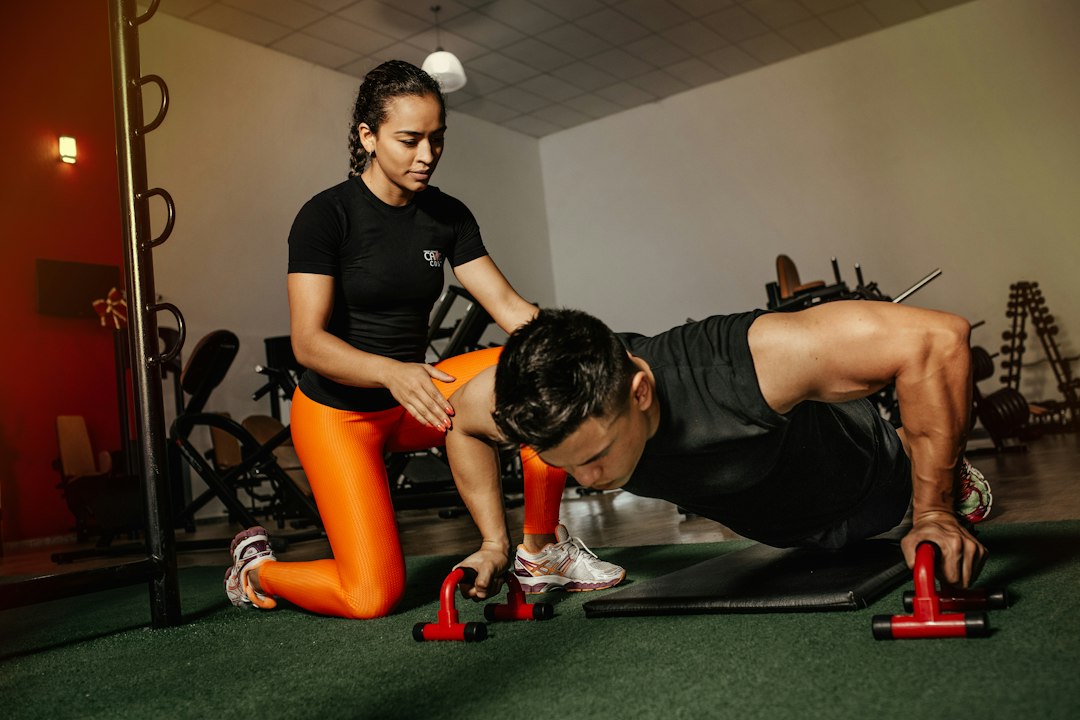
What separates Kalos from walk-in scan providers is what happens after the scan. Every Kalos scan includes a detailed in-person analysis with a NASM-certified performance analyst. These are not technicians handing you a printout and waving goodbye. They're coaches—many with elite athletic backgrounds, Ivy League and top research university educations, and experience at organizations ranging from Meta to the Olympic Trials—who walk you through every metric, contextualize it against your goals, and tell you specifically what to do about what the data shows.
For perimenopausal women specifically, this analysis matters. It's the difference between knowing your visceral fat score and knowing what that score means for your risk profile, your training approach, your protein targets, and your timeline for seeing change.
The scan is the entry point. The coaching is where transformation happens. Many clients who come in for a single scan leave understanding that what they actually need is a structured plan—and that the data they've just seen finally gives them a legitimate foundation to build one from.
The Real Problem With "Trying Harder" During Perimenopause
One of the most common patterns we see at Kalos is the perimenopausal woman who is already doing a lot. She's exercising consistently. She's eating carefully. She's taking supplements. She's sleeping reasonably well. And the belly fat is still growing, slowly but persistently, in a way that feels deeply unfair given the effort she's investing.
The problem is usually not effort. It's misdirected effort.
Cardio, for example, is often the default response to unwanted fat gain. But as we've explored in our piece on why cardio every day still isn't shrinking belly fat, cardio alone—even substantial amounts—often fails to address visceral fat in the way people expect. Meanwhile, the resistance training that would actually protect lean mass and create the metabolic environment for visceral fat reduction often gets deprioritized.
The other misdirection is focusing on weight rather than composition. The scale is not a useful tool for tracking what matters during perimenopause. You can be in the middle of a meaningful body composition improvement—losing visceral fat, gaining lean mass—while the scale barely moves. Or you can lose five pounds on a crash diet and have your DEXA scan reveal you've lost mostly muscle. Muscle versus scale weight after 40 is a distinction that matters enormously, and the scale obscures it entirely.
DEXA scanning gives you the feedback loop that makes effort meaningful. When you can see, every 60 to 90 days, exactly how your visceral fat score is trending, whether your lean mass is holding or growing, and how your android/gynoid ratio is shifting, you have the information to course-correct in real time rather than spending months or years on an approach that isn't working.
What a Coaching Membership at Kalos Looks Like for Perimenopausal Women
Kalos offers coaching memberships at 6-month, 1-year, and 2-year tiers, ranging from $3,000 to $7,000. Members come in for monthly DEXA scans to track their progress, creating a regular feedback loop between behavior and outcomes.
For perimenopausal women, the coaching methodology centers on a few specific priorities:
Protein and caloric targets calibrated to your actual metabolic data. Not generic recommendations. Your resting metabolic rate may have shifted. Your muscle mass determines your caloric needs. We build targets from your scan data, not from population averages.
Resistance training as the primary modality. Not as a supplement to cardio. As the foundation. The research on muscle preservation during perimenopause is unambiguous: you cannot out-supplement muscle loss if you're not creating the mechanical stimulus for muscle retention. Progressive resistance training is the non-negotiable.
Monthly scan accountability. This is where the coaching relationship becomes genuinely powerful. When you know you're coming back in 30 days for a scan that will show exactly what happened, your adherence changes. Not because of fear, but because you finally have a system that tells you whether what you're doing is working—and that changes your relationship with the effort.
This is the core insight behind how Kalos approaches transformation. We're method-agnostic. If you love your Pilates class and want to keep it, keep it. If you prefer a home gym to a commercial one, fine. What we're measuring is the outcome—your DEXA metrics week over week. If the numbers are moving in the right direction, the approach is working. If they're not, we adjust. The data tells us what works for you specifically, not what works in a population study.
For women navigating the real and often disorienting body changes of perimenopause, this kind of grounded, data-driven approach offers something that no supplement stack can: clarity. You stop guessing. You stop wondering if the effort is working. You know.
The Bottom Line
Perimenopause belly fat is different. The hormonal mechanisms driving it are real. The redistribution from subcutaneous to visceral fat is real. The simultaneous muscle loss is real. And the frustration of doing everything you've always done and seeing different results is a completely rational response to a genuine physiological shift—not a personal failing.
What changes everything is measurement. Not the scale. Not a BMI calculator. Not before-and-after photos. Clinical-grade DEXA scanning that shows you exactly where your fat is, how much lean mass you have and where, and how those numbers are trending over time.
If you're in the Bay Area and ready to stop guessing, Kalos has three locations ready to give you the data—and the coaching—to turn that data into a plan that actually works for your body, at this stage of your life.
You can also learn from what we've seen in clients a decade further along in our piece on what DEXA data reveals in postmenopausal women regaining weight—because the decisions you make during perimenopause determine what that picture looks like.

Ready to measure what matters?
Book your DEXA scan today and stop guessing about your health.