Postmenopausal Women Regaining Weight: What DEXA Data Reveals
You did everything right. You managed your weight through your thirties and forties. You stayed active. You watched what you ate. Then menopause arrived—and suddenly the rules changed. The scale crept up despite no meaningful change in your habits, and the weight landed somewhere new: your midsection, your hips, places it never settled before.
If this sounds familiar, you're not imagining it. And you're not failing. But the explanation the scale is giving you is incomplete—and acting on incomplete data is why so many postmenopausal women spin their wheels for years without making real progress.
What DEXA scanning reveals about postmenopausal weight regain reframes the problem entirely. It's not a story about calories or willpower. It's a story about body composition—and once you see the actual numbers, the path forward becomes considerably clearer.
Why Postmenopausal Weight Regain Is Different
Menopause triggers a cascade of hormonal changes—most notably the sharp decline in estrogen—that fundamentally alter how the body stores and distributes fat. Estrogen plays a key role in directing fat toward the hips and thighs. When estrogen drops, that pattern shifts. Fat increasingly migrates to the abdomen, particularly the deep visceral fat that wraps around your internal organs.
This is not a cosmetic problem. Visceral adipose tissue (VAT) is metabolically active in a damaging way—it drives systemic inflammation, increases insulin resistance, and raises cardiovascular risk in ways that subcutaneous fat (the fat just under your skin) simply does not. Two women can have identical scale weights and identical BMIs but wildly different visceral fat loads. The scale cannot tell you which category you fall into. Lean-looking women can still carry dangerous levels of visceral fat—a finding that surprises many postmenopausal women who consider themselves healthy because their weight is "not that bad."
DEXA scanning quantifies visceral fat directly, assigning a measurable score rather than a vague clinical impression. That number matters enormously for understanding your actual health risk—and for knowing whether the interventions you're trying are actually working.
The Muscle Loss Nobody Is Talking About
Here is the part of postmenopausal body composition change that almost never gets discussed in a doctor's office: the weight you're gaining isn't just fat. The weight you may have lost before regaining it probably wasn't just fat either. Because simultaneously, something else is happening—you're losing muscle.
Sarcopenia, the age-related loss of skeletal muscle mass, accelerates significantly in the years following menopause. Estrogen had been partially protecting muscle tissue. Without it, the decline steepens. Most women lose somewhere between 1% and 2% of their lean mass per year in the postmenopausal period without deliberate intervention. Over a decade, that's a staggering amount of functional tissue gone.
The insidious part: this muscle loss can be completely invisible on a standard scale. If you're simultaneously losing two pounds of muscle and gaining two pounds of fat, your weight stays the same—but your body composition has deteriorated significantly. Your metabolic rate drops (muscle burns calories at rest; fat doesn't), your functional strength declines, and your risk of falls, fractures, and metabolic disease rises. As we've documented in detail, lean mass loss after 50 follows a pattern that Bay Area scan data confirms again and again—and it starts earlier and progresses faster than most women expect.
A DEXA scan separates these two variables precisely. It tells you your lean mass in total and by region—right arm, left arm, trunk, right leg, left leg—as well as your fat mass and your bone mineral density. That granularity is what makes it clinically useful rather than just interesting.
What the DEXA Numbers Actually Show
When postmenopausal women come into Kalos's Bay Area locations for a body composition scan, the data frequently tells a story that contradicts what they expected. Common patterns include:
Higher body fat percentage than anticipated. Because muscle loss has been occurring silently for years, many women who feel they are at a "normal" weight discover their body fat percentage is elevated—sometimes significantly. The scale reported a number they could live with, but the DEXA revealed a composition that their health and longevity markers could not. Normal BMI can mask alarming body composition results—this is especially common in postmenopausal women who have been losing muscle gradually for years.
Elevated visceral fat scores. Even women who carry their weight evenly often find that their visceral fat score is higher than expected. This is the estrogen-withdrawal effect in action. Understanding this number—and tracking whether it's moving in the right direction—is among the most important things a postmenopausal woman can do for her long-term health. Understanding how to interpret your visceral fat score is the first step toward addressing it effectively.
Regional asymmetries in lean mass. DEXA doesn't just tell you total muscle—it tells you where the muscle is, and whether it's distributed symmetrically. Postmenopausal women who have been sedentary or who have compensated for joint pain by favoring one side often show meaningful imbalances that increase injury risk and compromise functional movement.
Declining bone mineral density. DEXA is the clinical gold standard for measuring bone density, and postmenopausal bone loss is one of the most well-documented physiological phenomena in medicine. Many women who come in for a body composition scan discover that their bone density has declined more than they realized—data that is actionable before a fracture occurs. Bone density declines silently, and DEXA catches it early—often years before symptoms appear.
Why Standard Approaches Fail Postmenopausal Women
The fitness and nutrition advice most women received in their twenties and thirties simply doesn't translate to the postmenopausal body. Cut calories, do more cardio, step on the scale, repeat. This framework was incomplete even then. After menopause, it becomes actively counterproductive.
Aggressive caloric restriction in postmenopausal women accelerates muscle loss. The body, already under hormonal pressure to catabolize lean tissue, responds to a large caloric deficit by breaking down muscle for energy. The scale moves—but the composition shift is in the wrong direction. Fat percentage rises even as total weight falls. Metabolic rate drops further. The next diet has to be even more restrictive to achieve the same result. The cycle is self-defeating.
Cardio-heavy exercise programs have a similar limitation. Steady-state cardio burns calories during the session, but it does not build or preserve muscle tissue in the way that resistance training does. Women who do hours of cardio each week without a meaningful strength training component are fighting the battle with the wrong weapons. Cardio alone isn't enough to address visceral fat accumulation—a pattern DEXA data repeatedly confirms.
What postmenopausal body composition data actually supports is a different approach: prioritize protein intake to defend lean mass, anchor the exercise program in progressive resistance training, and use measurable data to confirm that the interventions are working before spending months or years on something that isn't.
The Measurement Problem—and Why It Matters
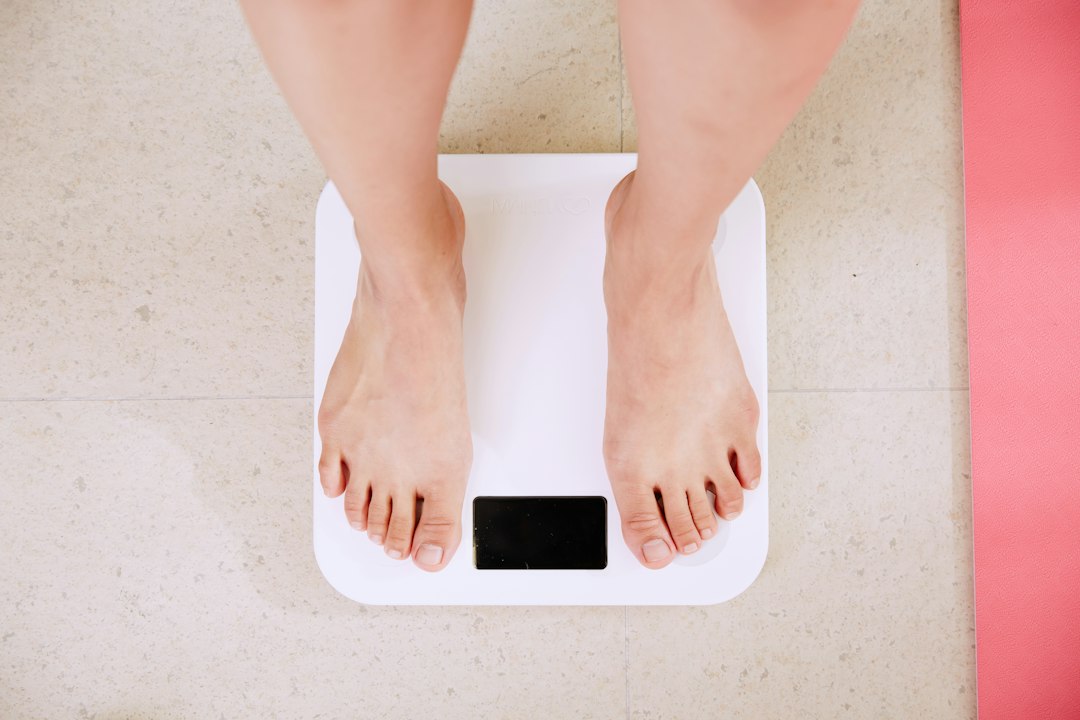
One of the deepest problems in women's health is that we measure the wrong things and draw the wrong conclusions. BMI was never designed to assess body composition—it's a population-level epidemiological tool that tells you almost nothing about an individual's fat-to-muscle ratio, visceral fat load, or bone density. The scale is similarly limited: it measures gravitational force, full stop. It cannot distinguish fat from muscle from water from bone.
Without DEXA-grade data, postmenopausal women are left making decisions based on signals that are systematically misleading. You can exercise for months and see no change on the scale—because you've simultaneously lost fat and built muscle, a genuinely positive outcome that the scale reports as failure. You can lose weight rapidly on a crash diet and feel like you're making progress—while actually losing more muscle than fat, setting yourself up for a harder road ahead. Understanding why muscle matters more than scale weight after 40 is foundational to making decisions that actually move your health forward.
This is what Kalos refers to as the description problem: the fitness industry generates enormous amounts of data—steps, heart rate, sleep scores, calories burned—but most of it is the wrong data. Without gold-standard body composition metrics, you don't have the information you need to make intelligent decisions. You're optimizing against a proxy, not the actual outcome you care about.
What Effective Intervention Looks Like
Once you have accurate baseline data, the path forward becomes a data-driven process rather than a guessing game. At Kalos, the approach is built around connecting your behaviors—what you eat, how you train, how you recover—to measurable outcomes in your DEXA metrics.
For postmenopausal women, the intervention priorities that the data consistently supports include:
Protein as a non-negotiable foundation. Research consistently shows that postmenopausal women under-consume protein relative to what their bodies need to maintain and build muscle tissue. General guidance of 0.8 grams per kilogram of body weight is inadequate for women in active muscle defense mode. Higher targets—closer to 1.6 to 2.2 grams per kilogram—are better supported by the outcome data, and DEXA scans allow you to confirm whether your intake level is actually translating to preserved or increased lean mass. Protein targets mean nothing without measuring actual muscle gains—the number on the nutrition label doesn't tell you what's happening in your body.
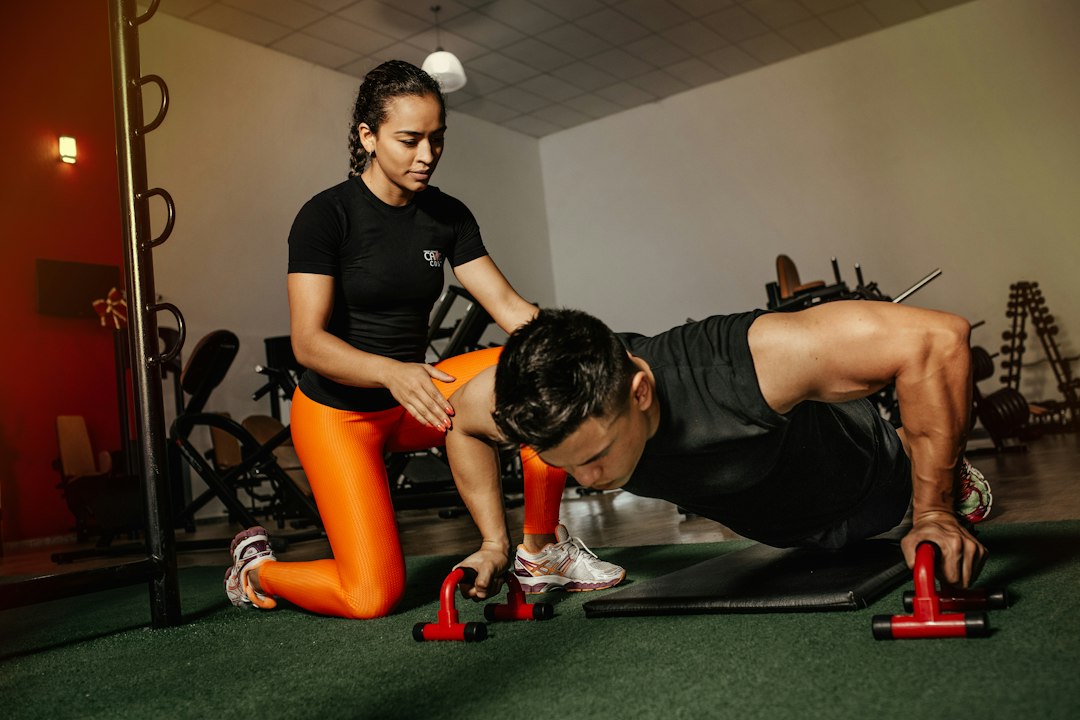
Resistance training as the primary exercise modality. Progressive resistance training is the most effective tool available for postmenopausal women to combat sarcopenia, improve bone density, reduce visceral fat, and improve insulin sensitivity. Frequency, intensity, and programming matter—but the single most important variable is consistency. Showing up to lift, week after week, is the 80% that drives the result. The 16% is programming it intelligently so that you're progressively overloading across time. Building smarter strength training programs using DEXA data removes the guesswork from that programming process entirely.
Monthly tracking to confirm the plan is working. A single DEXA scan gives you a baseline. Monthly re-scans give you a trajectory. Trajectory is where the actionable intelligence lives. If lean mass is holding steady and visceral fat is declining, the plan is working—keep doing what you're doing. If lean mass is dropping despite your efforts, something in the program needs to change: protein intake, training stimulus, caloric floor. Retesting at 60 days reveals whether your plan is actually working before you've wasted an entire quarter on an approach that isn't delivering.
Prioritizing the 80%, not the 1%. The wellness industry is filled with postmenopausal-specific supplements, hormone protocols, and trending interventions that promise to reverse the aging process. Some have merit; most are noise. The DEXA framework cuts through that noise by keeping focus on what the data shows is actually moving in the right direction. Consistency in training and nutrition—the 80%—drives the outcome. Everything else is downstream of that.
The Longevity Stakes
Postmenopausal body composition is not primarily an aesthetic question—though there's nothing wrong with caring about how you look and feel in your body. It's a longevity question. The metrics that DEXA measures directly correlate to long-term health outcomes in ways that BMI and scale weight simply do not.
Visceral fat is an independent predictor of cardiovascular disease, type 2 diabetes, and all-cause mortality. Appendicular lean mass index (ALMI)—a measure of muscle mass relative to height—predicts functional independence, fall risk, and mortality in older adults. Bone mineral density predicts fracture risk, and fractures in older women are a leading cause of loss of independence and premature death. Tracking sarcopenia risk before symptoms appear changes everything—because by the time symptoms are obvious, significant damage has already been done.
These metrics are not inevitable. They respond to intervention. Women who engage in consistent resistance training and adequate protein intake maintain significantly higher lean mass and bone density than their sedentary peers. Women who address visceral fat through the combination of resistance training, appropriate caloric intake, and stress management show meaningful reductions in VAT even in the postmenopausal period. The biology is challenging—but it's not fixed.
What you need is accurate data to know where you're starting, a personalized plan grounded in what actually moves the numbers, and a way to confirm that your efforts are producing the results you're working for. That's the problem DEXA-guided coaching exists to solve.
Getting Started in the Bay Area
Kalos operates scanning and coaching locations across San Francisco, Palo Alto, and San Jose (Pruneyard). A DEXA body composition scan takes approximately ten minutes. The in-person analysis that follows—reviewing your lean mass by region, your visceral fat score, your bone density, and what the numbers mean for your specific goals—is where the real value begins.
All services are HSA and FSA eligible. You can book a standalone scan to establish your baseline and see what the data shows. From there, if a coaching membership makes sense—structured around your specific body composition goals with monthly scans to track progress—that conversation happens naturally, grounded in your actual numbers rather than generic advice.
The scale has been giving you an incomplete answer for years. It's worth finding out what the complete picture looks like.

Ready to measure what matters?
Book your DEXA scan today and stop guessing about your health.