Outdoor Summer Activity Is Peaking—What's Actually Happening to Body Composition?
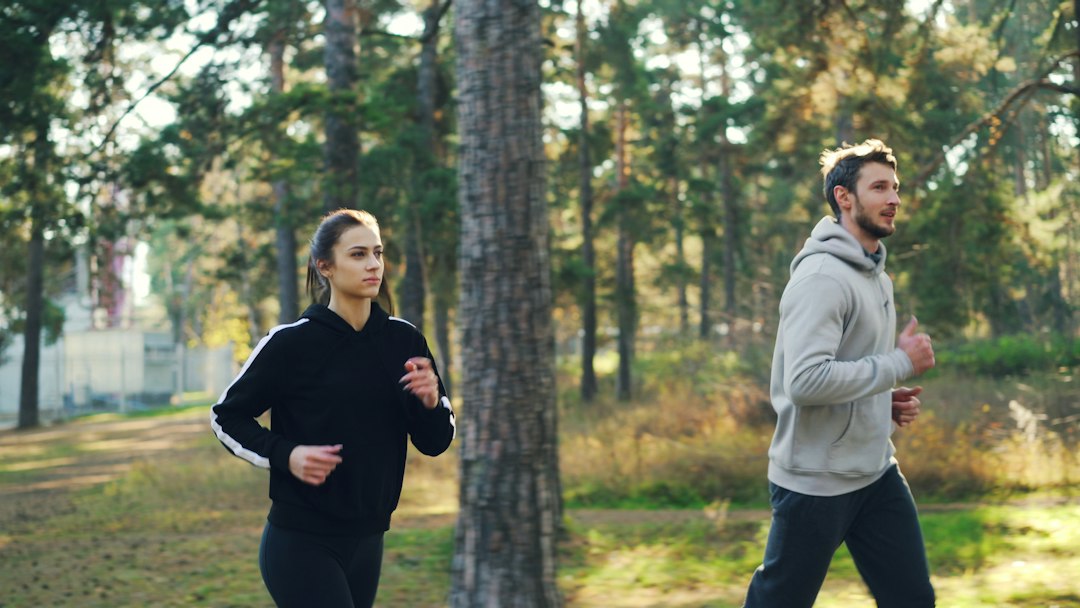
August in the Bay Area means peak outdoor season. Trailheads in Marin are packed by 7am. Local track clubs are dissecting usatf outdoor results from Eugene, trying to reverse-engineer what elite athletes are doing differently. Weekend leagues, pickup soccer, and community groups like B Outdoors are filling calendars with hikes, bike rides, and group runs that didn't exist on anyone's schedule six months ago. Everyone assumes that more outdoor movement automatically means better body composition. The scans we run at Kalos tell a more complicated story.
When someone shifts from indoor gym sessions to outdoor summer activity, three things tend to happen at once: total training volume goes up, structured resistance work often goes down, and calorie intake becomes harder to track because meals get less predictable. Individually, none of these is a problem. Together, they can quietly erode lean mass even while cardiovascular fitness improves and the scale trends in the "right" direction. We've written before about how hiking season gains and sprinting-heavy summer training can produce very different outcomes depending on whether resistance training is maintained alongside them.
This is where the Kalos framework matters. We think about every client's goals as a triangle with three vertices: Aesthetics, Longevity, and Performance. Someone chasing a personal best mile time is optimizing for Performance metrics—1-rep max, VO2 max, race pace. But that same person's outdoor training volume is directly impacting their Longevity metrics: bone mineral density, visceral adipose fat, appendicular lean mass index. Most people training outdoors this summer have no idea what's happening on that second axis, because nothing about a Strava screenshot or a race bib tells you what's happening inside the body.
Why Impact Sports Make Bone Density Worth Checking Now
Track season, trail running, and high-volume outdoor cardio all put repetitive load on the skeletal system—generally a good thing, since weight-bearing activity is one of the few reliable ways to maintain bone density. But that same repetitive load also exposes existing weaknesses, particularly for people who ramped up outdoor mileage quickly after a sedentary winter, or who added intensity without adding recovery. If you've been searching "dexa bone density scan near me" because a nagging shin or hip ache during peak outdoor season has you wondering about stress fracture risk, that instinct is worth following. A DEXA scan is the clinical-grade way to measure bone mineral density directly, rather than guessing based on how your joints feel after a long run. We cover this in more depth in Bone Density Declines Silently—DEXA Scans Catch It Early and in Bone Loss Accelerates in Your 40s, both relevant if outdoor season has you moving more than you have in years.
The Data Problem With Outdoor Season
Wearables can tell you steps, elevation gained, and average heart rate on a trail run. What they can't tell you is whether the body underneath that data is building muscle, holding steady, or slowly losing lean mass to fuel all the extra cardio. This is the description problem we see constantly at Kalos: plenty of data, but not the data that actually explains what's changing in the body. A DEXA scan closes that gap by measuring fat mass, lean mass, and bone density with clinical precision, region by region. Combined with a coach who can connect training behavior to those outcomes, it becomes possible to answer the question every outdoor athlete should be asking mid-season: is this volume building me up, or quietly breaking me down?
We see this pattern most often in two groups this time of year. The first is the data-driven optimizer—engineers and PMs already wearing Oura rings and Whoop straps, who add outdoor training as another data point to A/B test. The second is the weekend warrior returning to trails, tracks, and pickup games after years away, motivated more by nostalgia and community than by numbers. Both groups benefit from the same underlying answer: cardio and outdoor volume alone don't guarantee muscle preservation, and resistance training frequency during a high-cardio season is often the missing variable.
What Peak Season Actually Requires
Kalos applies the same 80/16/3/1 prioritization to outdoor athletes that we apply to every client. On the nutrition side, 80% of the outcome comes down to total calories and macros—not the specific trail snack or electrolyte brand. On the training side, 80% comes down to consistency, including whether resistance sessions are still happening at all during weeks when outdoor mileage spikes. It's easy to let strength work slide when a Saturday hike replaces a gym session, but that's exactly the trade-off that shows up on a follow-up scan as lost appendicular lean mass, even when total body weight barely moved. Our piece on the muscle metric that predicts longevity covers why this specific number matters more than most people realize.
None of this means outdoor activity is bad for body composition—quite the opposite, when it's paired with the right structure. The point is that assumptions built from mileage, race results, or how clothes fit aren't reliable enough on their own. A scan at the start of peak season and another eight to twelve weeks later gives an objective before-and-after, the same way we recommend for anyone tracking a training block. If skipping that retest sounds tempting because the season feels busy, it's worth reading why skipping scans after 90 days leaves progress invisible.
Turning Outdoor Momentum Into Measurable Change
Kalos runs clinical-grade DEXA scans at locations in San Francisco, Palo Alto, and San Jose (Pruneyard), with 3,000+ scans completed and a 4.9-star rating across 500+ Google reviews. Every scan is paired with an in-person analysis from a NASM-certified analyst, many with backgrounds ranging from elite athletics to data science, who can translate the results into an actual plan—not just a report. All services are HSA/FSA eligible. Whether outdoor season has you chasing a new PR, training for the fall based on this year's usatf outdoor results, or simply moving more than you have in a while, a scan is the fastest way to know what's actually changing beneath the surface.

Ready to measure what matters?
Book your DEXA scan today and stop guessing about your health.