Scan Results Prove Yoga Isn't Enough After Menopause

She had been doing yoga four or five times a week for three years. Hot yoga. Vinyasa. The occasional restorative class on Sunday. She felt strong, flexible, and disciplined. Her clothes fit reasonably well. Her stress was manageable. By every subjective measure, she was doing everything right.
Then she came into Kalos for a DEXA scan.
The numbers were not what she expected. Her body fat percentage had climbed two and a half points over the past year. Her appendicular lean mass index—the metric that tracks functional muscle in the arms and legs—had dropped below the threshold associated with early sarcopenia risk. Her bone mineral density had declined measurably since her last scan eighteen months prior.
She was fifty-three. She had been postmenopausal for two years. And yoga, as much as she loved it, had not protected her from what menopause was doing to her body composition underneath the surface.
This is not an indictment of yoga. It is an indictment of measuring the wrong things and assuming the effort equals the outcome.
Does Menopause Actually Cause Muscle Loss?
Yes—and the mechanism is well-documented. Estrogen plays a direct role in muscle protein synthesis and in regulating satellite cells, which are the cells responsible for muscle repair and growth. When estrogen drops sharply at menopause, the anabolic signaling that helped maintain muscle mass through your thirties and forties becomes significantly weaker.
The result is accelerated sarcopenia—the age-related loss of skeletal muscle mass. Research consistently shows that women lose muscle faster in the years immediately following menopause than at any other point in adult life. Some studies estimate losses of three to eight percent of lean mass per decade before menopause, accelerating to as much as one to two percent per year in the early postmenopausal period depending on activity level, protein intake, and training type.
What makes menopause muscle loss particularly dangerous is that it is invisible without the right measurement. The scale may not move. Clothes may still fit. Energy might feel adequate. But underneath, the ratio of fat to lean tissue is quietly shifting in the wrong direction—a phenomenon sometimes called body recomposition in reverse.
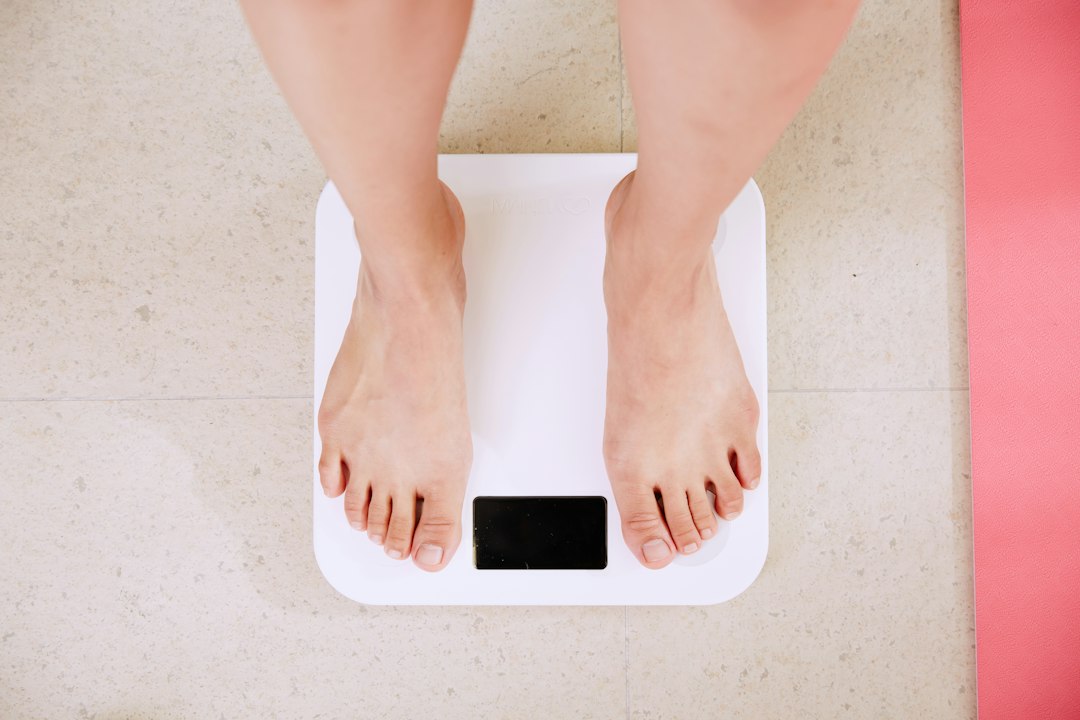
Menopause weight gain is often misunderstood as simply gaining fat, when in reality the picture is more complex: fat is redistributing toward visceral deposits while lean mass quietly erodes. Both processes are happening simultaneously, and neither is visible on a bathroom scale.
Why Yoga Specifically Isn't Enough
Yoga produces real benefits. It improves mobility, reduces cortisol, supports parasympathetic recovery, and builds body awareness. For some women, it genuinely contributes to functional strength in specific movement patterns. None of that is in dispute.
The problem is mechanical specificity. Muscle hypertrophy—the actual growth of muscle fiber cross-sectional area—requires progressive mechanical overload. That means consistently challenging muscle tissue with loads that force adaptation. Yoga, even vigorous yoga, does not reliably deliver the intensity, load, or progressive resistance stimulus required to counteract the muscle loss that menopause accelerates.
This is the same issue seen with Pilates and barre, where scans frequently reveal that waist circumference changes don't reflect visceral fat reduction in the way practitioners assume. The effort is real. The output is not always what the practitioner expects.
When you're postmenopausal, the anabolic environment in your body is already compromised. You are starting from a hormonal disadvantage that requires a more potent stimulus to overcome—not a gentler one. Bodyweight holds, sun salutations, and warrior sequences are unlikely to generate sufficient mechanical tension to drive meaningful hypertrophy or halt sarcopenia progression in that environment.
This is not about working harder. It is about working differently—and knowing the difference requires data.
What DEXA Scans Actually Measure That Matters Here
The reason DEXA scanning is so revealing for postmenopausal women is that it measures exactly the metrics that matter most for this phase of life—and those metrics are not captured by any consumer wearable, BMI calculation, or scale.
Appendicular Lean Mass Index (ALMI): This measures lean mass in the arms and legs normalized to height. It is one of the primary diagnostic criteria for sarcopenia. Most women doing yoga have no idea where they fall on this scale. Many who feel strong are sitting in the low-normal or below-normal range.
Bone Mineral Density (BMD): Estrogen also directly supports bone resorption regulation. Post-menopause, BMD decline accelerates. Yoga contributes some mechanical loading benefit to bone, but typically not enough to offset the rate of loss without resistance training. Bone density declines silently, and DEXA catches it before symptoms appear.
Visceral Adipose Tissue (VAT): Fat redistribution after menopause tends to migrate toward the visceral compartment—fat surrounding the organs—rather than subcutaneous deposits. Visceral fat is metabolically active in harmful ways, driving inflammation, insulin resistance, and cardiovascular risk. Yoga does not reliably reduce VAT.
Body Fat Percentage vs. Scale Weight: A woman who loses two pounds of muscle while gaining two pounds of fat will show no change on the scale—but her body fat percentage will have increased and her ALMI will have dropped. This is not a rare edge case. Tracking muscle shifts during perimenopause changes everything about how you interpret your progress.
The Women Who Come In Shocked
At Kalos, across more than 3,000 scans completed at locations in San Francisco, Palo Alto, and San Jose, a consistent pattern emerges with postmenopausal women who exercise regularly: their self-reported fitness effort is high, but their actual body composition data frequently diverges sharply from what they expect.
The women who are most surprised are often those doing the most cardio-adjacent or flexibility-focused work—yoga, Pilates, long walks, cycling—without any structured resistance training. They feel like they are doing a lot. Objectively, by time and consistency, they are. But the data does not care about time in class. It cares about stimulus delivered to muscle tissue and fat tissue respectively.
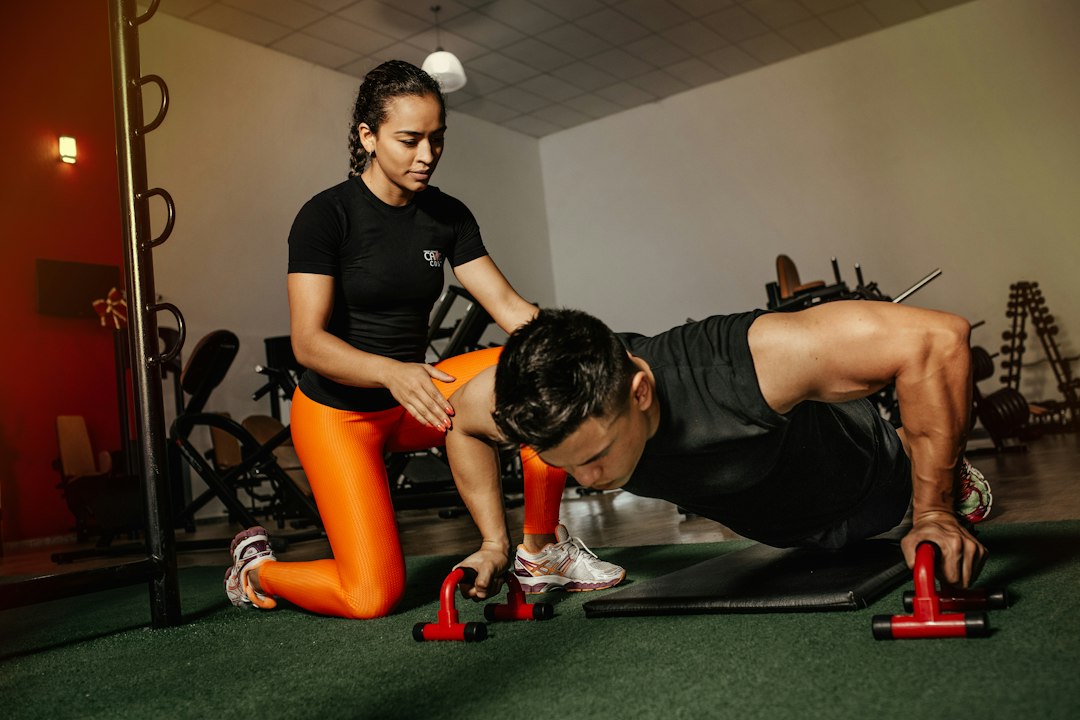
The women who scan well at fifty-five and sixty are almost universally those who have incorporated progressive resistance training—whether through weightlifting, loaded compound movements, or structured strength programming—in addition to whatever else they enjoy.
The contrast is stark when placed side by side on a DEXA report. Same age. Similar activity frequency. Completely different lean mass profiles. The variable is almost always the training type and the adequacy of protein intake—which brings us to the nutrition piece.
The Protein Problem After Menopause
The muscle synthesis impairment caused by low estrogen is compounded by what researchers call anabolic resistance—a reduced sensitivity to dietary protein as a trigger for muscle protein synthesis. In practical terms, this means postmenopausal women need more protein per kilogram of body weight than younger women to produce the same muscle-building signal.
Most women doing yoga are not eating to that standard. The general recommendation of 0.8 grams per kilogram of body weight—already inadequate for active premenopausal women—is functionally useless for a postmenopausal woman trying to preserve or build lean mass. Current evidence suggests targets closer to 1.6 to 2.0 grams per kilogram of body weight, with attention to leucine content per meal as a trigger for maximal muscle protein synthesis.
At Kalos, this is part of what the coaching layer addresses. The DEXA scan establishes baseline lean mass, body fat, and ALMI. The coach then connects that data to the behaviors—exercise stimulus and protein targets—that explain the current numbers and prescribe what needs to change. Protein targets mean nothing without measuring actual muscle gains, and measuring actual muscle gains requires a DEXA scan.
Does Yoga Give You a Good Body? The Honest Answer
It depends entirely on what you mean by "good body" and how you're measuring it.
If good body means flexible, mobile, low-stress, and subjectively healthy—yoga can contribute meaningfully to all of those. If good body means a favorable body fat percentage, preserved lean mass, low visceral fat, and strong bone mineral density in your fifties and beyond—yoga alone is not going to get you there, and the scan results will say so.
This is the core problem with top-down fitness thinking: someone decides yoga is their methodology, commits to it faithfully, and assumes that consistency equals results. The data is never consulted. The feedback loop never closes. Years pass, menopause happens, muscle quietly disappears, and the practitioner doesn't find out until a scan finally surfaces the numbers.
Kalos takes the opposite approach. We start with the data—your actual lean mass, body fat, visceral fat score, bone density—and then work backward to determine what intervention is actually indicated. For most postmenopausal women, that prescription includes structured resistance training as a non-negotiable, adequate protein, and a clear measurement cadence to confirm that what you are doing is actually working.
Body recomposition after 45 is possible—but it requires that your effort match the results. The only way to know if it does is to measure.
What Postmenopausal Women Should Actually Track
If you are postmenopausal and exercising consistently, here are the metrics that actually tell you whether your approach is working:
ALMI (Appendicular Lean Mass Index): Are you maintaining or building functional muscle in your limbs? This is your sarcopenia risk indicator. If this number is declining, your current program is insufficient regardless of how many classes you attend per week.
Visceral Adipose Tissue: Is your VAT score stable or improving? Yoga and light cardio are unlikely to move this number significantly. Resistance training combined with a caloric strategy tends to be more effective. Cardio every day often isn't enough to shrink belly fat when the fat is visceral rather than subcutaneous.
Bone Mineral Density: Are you maintaining T-scores in the normal range? If BMD is declining, the intervention needs to include higher-impact or higher-load mechanical stimulation than yoga typically provides.
Body Fat Percentage Trend: Is your body fat percentage stable, improving, or silently rising despite consistent activity? Postmenopausal women regaining weight often see surprising patterns on DEXA that diverge significantly from what they expected based on how they feel.
These are not metrics that fitness trackers, scales, or subjective self-assessment can provide. They require a clinical-grade DEXA scan—and they require it on a regular cadence so that trends become visible before they become irreversible.
The Compounding Cost of Waiting
Muscle loss after menopause is not linear. It accelerates. Every year of sarcopenia progression makes reversal harder, not just because of muscle loss itself, but because of accompanying reductions in bone density, metabolic rate, and the anabolic sensitivity required to respond to resistance training. Lean mass loss after 50 follows patterns that Bay Area scan data confirms—and starting intervention earlier produces significantly better long-term outcomes.
The woman who discovers her ALMI has dropped at fifty-three has a meaningful window to reverse that trajectory. The woman who discovers the same thing at sixty-two is starting from a harder position, with less hormonal support and a longer period of accumulated loss to address.
Yoga is not the enemy. Uninformed complacency is. Believing that because you are doing something, you are doing enough—that is what scans correct.
What Kalos Does With This Information
When a postmenopausal woman comes into Kalos for a scan, the process does not end with a printout. The scan data goes into a coaching session with a NASM-certified performance analyst who translates the numbers into specific, prioritized actions: what type of training to add, what protein targets to hit, what to measure at the next scan to confirm the intervention is working.
This is the description-to-prescription pipeline that makes the difference between knowing your numbers and actually changing them. Most women who walk in after years of yoga are not lazy or uninformed. They are operating without feedback. The scan provides the feedback. The coaching closes the loop.
Membership tiers at Kalos run from six months to two years, with monthly scans included so that every coaching adjustment is verified by data rather than assumption. The goal is not to make you do more. The goal is to make sure that what you do actually produces the outcomes that matter—especially in the years when the stakes are highest.
If you have been consistent with yoga or any other exercise practice and you have not confirmed with a DEXA scan whether it is actually preserving your lean mass and bone density post-menopause, now is the right time to find out. The scan takes about ten minutes. The results last a lifetime. Kalos serves the Bay Area from San Francisco, Palo Alto, and San Jose—and every scan is HSA/FSA eligible.

Ready to measure what matters?
Book your DEXA scan today and stop guessing about your health.