Creatine Without Lifting: Does Fat Actually Drop?

Search "creatine for weight loss" and you'll find a flood of claims: it boosts metabolism, it curbs appetite, it burns fat even without exercise. The supplement aisle and TikTok wellness influencers have turned creatine into something closer to a miracle powder than what it actually is—one of the most researched, well-understood compounds in sports science.
But most of that research was done on people who lift weights. So what happens when you strip out the resistance training and just take the creatine? Does fat actually drop, or does the scale move for reasons that have nothing to do with body fat?
**What Creatine Actually Does in the Body**
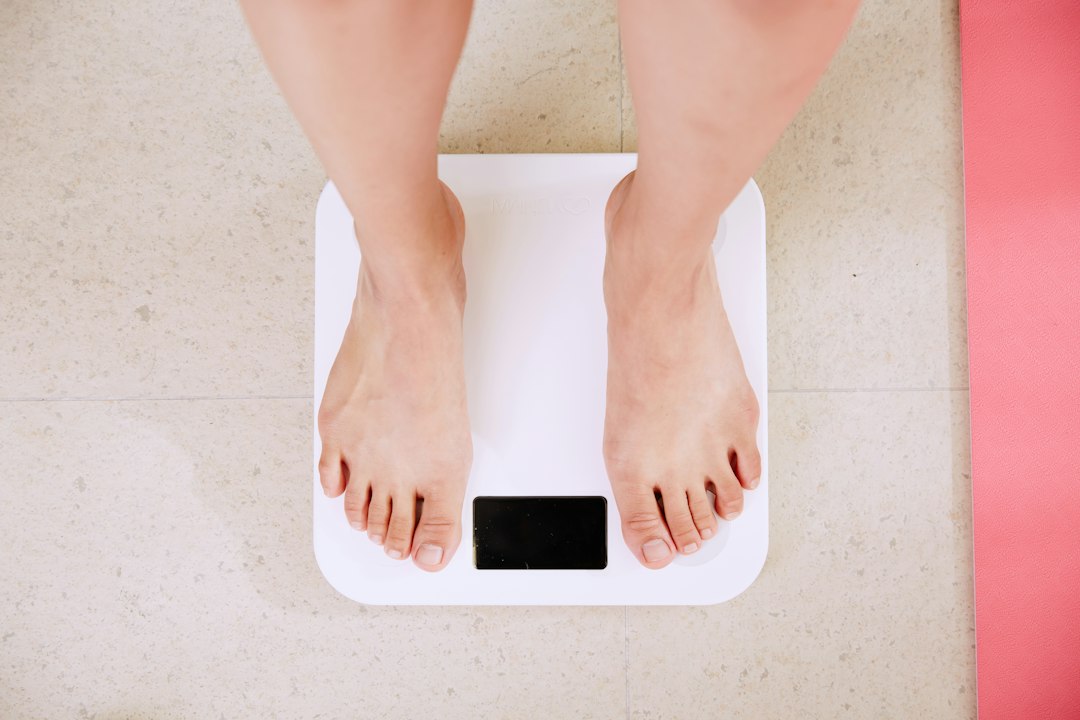
Creatine pulls water into muscle cells. That's not a side effect—it's the mechanism. More intracellular water means muscles look and feel fuller, and it means the number on your scale can shift within days of starting supplementation. None of that is fat loss. None of that is even muscle growth. It's fluid.
This is well documented in our piece on creatine loading and the difference between scale weight and actual muscle mass. The takeaway there applies directly here: the scale is a terrible tool for understanding what creatine is doing to your body. A DEXA scan for body composition is not.
**Without Lifting, Where's the Signal Supposed to Come From?**
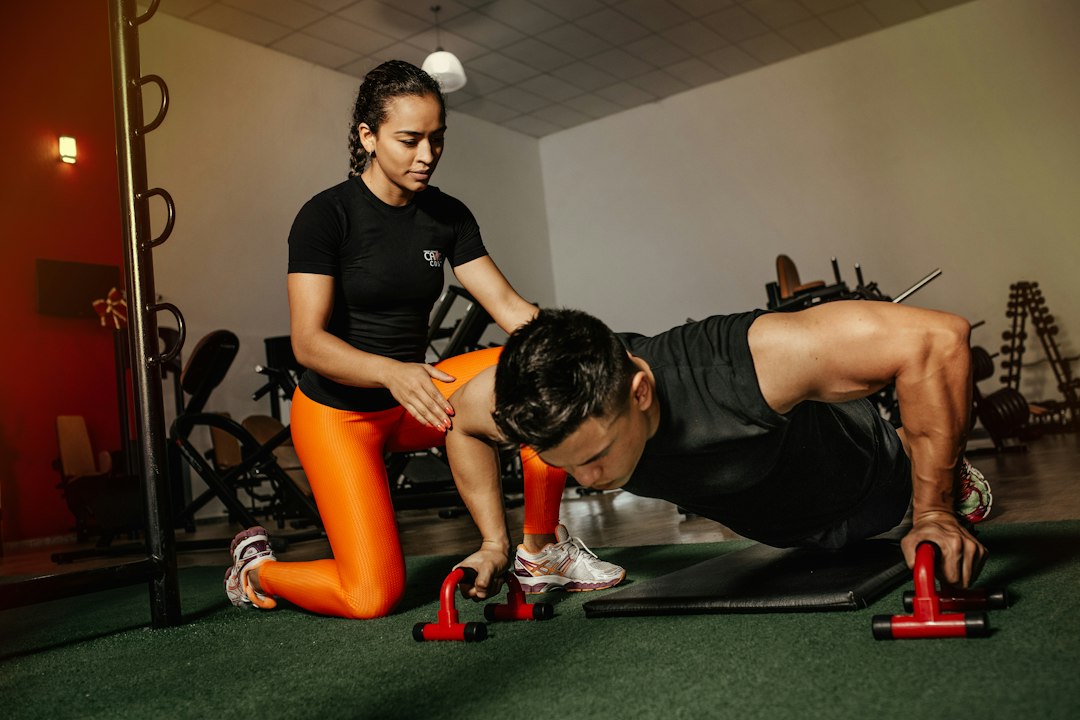
Creatine's fat-loss reputation is mostly indirect. The theory goes: creatine improves your capacity to train harder, training harder builds more muscle, more muscle raises your resting metabolic rate, and a higher RMR eventually contributes to fat loss over time. That's a real, defensible chain of logic—but it depends entirely on the middle links. Take away resistance training, and you've removed the mechanism that connects creatine supplementation to any meaningful change in body fat.
Some small studies have looked at creatine's effects on satiety and glucose regulation independent of exercise, but the effect sizes are modest at best and nowhere close to what's needed to move a DEXA-measured fat mass number in a noticeable way. Compare this to what actually does reduce visceral and subcutaneous fat—consistent caloric deficit, protein intake, and training volume—and creatine without lifting simply isn't in the same category.
**What a DEXA Scan for Body Composition Actually Shows**
This is where the noise clears up. A dexa scan body composition report separates your weight into fat mass, lean mass, and bone mineral content, and it does so with clinical-grade precision that a bathroom scale or bioelectrical impedance device can't replicate. When someone takes creatine without training and steps on a scale showing a 2–3 pound increase, they often assume it's muscle. A DEXA scan reveals whether that's water retention, actual lean tissue, or fat—three very different outcomes with three very different implications.
We've seen this exact scenario across our 3,000+ scans: people who started creatine hoping for a body composition shift, made no changes to training, and returned 60–90 days later with fat mass essentially unchanged. The scale moved. The mirror didn't. The scan told the truth.
This mirrors a broader theme we cover in our breakdown of creatine, sleep, and cold plunges—of the popular recovery and supplement interventions people chase, very few move the needle on fat or muscle independent of training and nutrition. Creatine is genuinely one of the most effective, safe, and well-studied supplements available. But its effectiveness is conditional. It amplifies training stimulus—it doesn't replace it.
**The Quantity-Over-Everything Principle**
At Kalos, we think about body composition change through a simple framework: roughly 80% of results come down to quantity—calories, macros, and for training, whether you're showing up consistently. Supplement timing and specific compounds like creatine live in the smaller 1-3% category—real, but only additive to a foundation that's already working. Creatine without lifting is trying to make the 1% do the job of the 80%. It won't.
If your goal is genuine fat loss, the lever that matters most is a sustained caloric deficit paired with adequate protein. If your goal is muscle growth, resistance training is non-negotiable—no supplement, including creatine, builds muscle tissue without a mechanical stimulus to build it in response to. For readers curious about the muscle-building side of the equation, our article on protein shakes versus whole food covers a related myth: supplementation strategy matters far less than most people assume relative to overall intake and training consistency.
**Why This Matters for the Biohacker Crowd Especially**
If you're someone who tracks sleep scores, HRV, and glucose response and treats your body like a system to optimize, creatine is an appealing lever precisely because it's cheap, well-studied, and easy to add to a stack. But treating supplementation as a substitute for training is a hypothesis worth testing rigorously—not assuming. A dexa scan for body composition gives you the actual data: fat mass, lean mass, visceral adipose tissue, all measured with a precision wearables and scale readings can't approach. Run the experiment. Scan before you start, hold everything else constant, scan again in 8-12 weeks. If fat mass hasn't moved, you have your answer, and it's not because creatine failed—it's because creatine was never the mechanism that was going to move it.
**What Actually Moves the Number**
None of this means creatine is a waste of money if you're not lifting. It may still support cognitive function, hydration status, and exercise capacity if you eventually do start training. But if the specific goal is fat loss, and lifting isn't part of the plan, creatine isn't the intervention that gets you there. Caloric deficit does. Protein intake does. And if muscle preservation or growth is the goal alongside fat loss, resistance training is the only lever that reliably delivers it—something we've documented across dozens of scan results, including in cases of losing fat without losing strength.
The only way to know which category you're in—actual progress or just water weight and wishful thinking—is to measure. A DEXA scan for body composition removes the guesswork that scale weight and supplement marketing both rely on.

Ready to measure what matters?
Book your DEXA scan today and stop guessing about your health.