Creatine Loading Changes the Scale—But What About Actual Muscle?

Creatine is one of the most researched supplements in sports science. It's also one of the most misread. Ask anyone who's done a loading phase and they'll tell you the same story: the scale climbs fast, clothes feel tighter, and the assumption follows—this stuff is working. But here's what most people never stop to ask. Working to do what, exactly?
What Creatine Actually Does (And What It Doesn't)
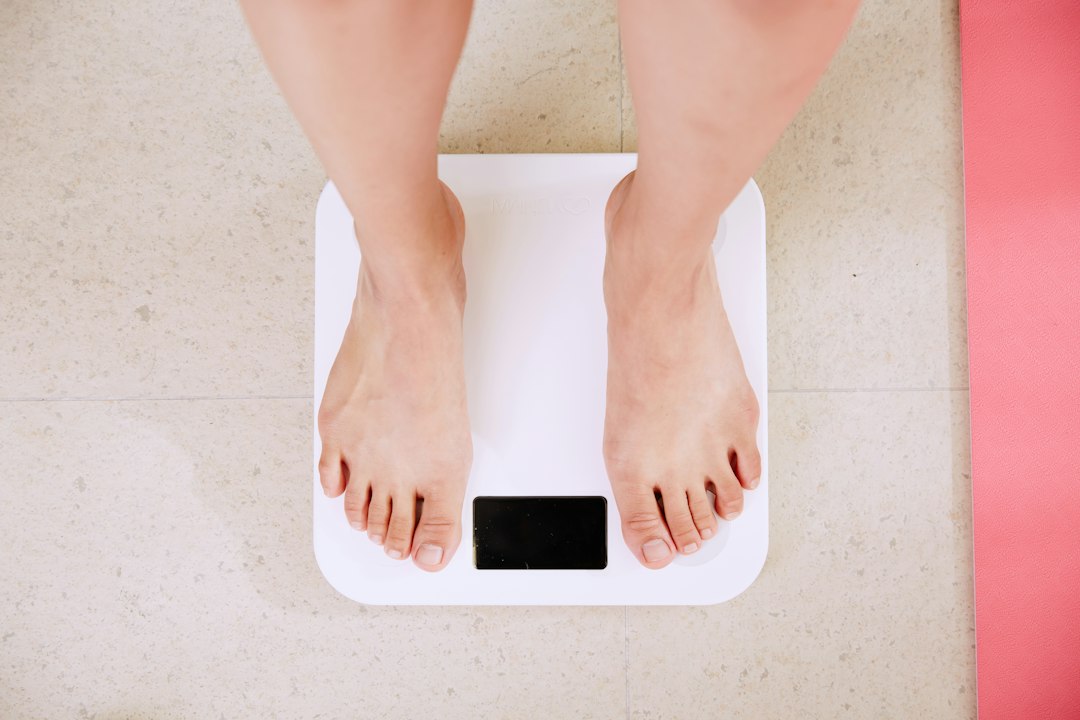
Creatine monohydrate is not a muscle builder in the direct sense. It's an energy substrate. Specifically, it increases the amount of phosphocreatine stored in muscle tissue, which regenerates ATP more rapidly during high-intensity efforts. More ATP availability means you can push harder on your fifth set, sprint longer before your legs give out, and recover faster between bouts of intense work. The mechanism for muscle growth is indirect. By allowing you to train with more volume and intensity, creatine creates a better stimulus for hypertrophy. The muscle building still depends entirely on progressive overload, adequate protein, and recovery. Creatine doesn't build anything on its own. It improves the environment for building. This distinction matters enormously when you're staring at a scale that's reading 3.5 pounds heavier after your first loading week.The Loading Phase and the Water Weight Reality
A standard creatine loading protocol involves 20 grams per day split across four doses for five to seven days, followed by a maintenance dose of 3–5 grams daily. Some skip loading entirely and reach saturation in three to four weeks at the maintenance dose. During loading, skeletal muscle draws in creatine alongside water. Creatine is osmotically active, meaning it pulls water into the muscle cell. This is why the scale responds so quickly and so dramatically. You are not accreting lean tissue that fast. You are expanding intracellular fluid volume. For most people using DEXA scans to measure whether their creatine supplementation is actually increasing muscle mass, the loading phase reveal is the same: lean mass on the scan goes up, but that reading is temporarily inflated by water content trapped in muscle cells. Actual contractile protein—the kind that makes you stronger, that improves your ALMI score, that protects you from sarcopenia—takes weeks to months to build.Why This Creates a Measurement Problem
Creatine is firmly in the 1% tier of the fitness pyramid. In Kalos's nutrition framework, supplements like creatine fall into the "highly dependent" category—less generalizable, more art. They matter only after you've locked in the 80% (caloric foundation and macro targets) and the 16% (food quality). Yet because creatine produces an immediate, visible response on the scale, it gets treated like a transformation catalyst rather than a minor optimization tool. This is the description problem the fitness industry perpetuates. You have data—the scale number—but it's the wrong data. A 4-pound scale increase tells you nothing about whether lean muscle tissue grew, whether fat mass stayed stable, or whether you're now carrying 4 pounds of intramuscular water that will drop within a week if you stop supplementing. Without the right measurement layer, you're celebrating a data artifact.What Foods Contain Creatine Naturally?
For people asking what contains creatine beyond supplement form: creatine occurs naturally in red meat, fish, and poultry. Beef and herring carry the highest concentrations, roughly 2–5 grams per kilogram of raw meat. This means a typical diet might deliver 1–2 grams of creatine daily through food. Vegetarians and vegans start with lower baseline muscle creatine stores, which is why they often respond more dramatically—and see larger initial scale jumps—when they begin supplementation. Eggs contain trace amounts. Dairy contains minimal creatine. Plant foods contain virtually none. There is no meaningful creatine in creatine body composition gummies or similar novelty supplement formats unless explicitly dosed. Most gummy-format products contain far lower amounts than monohydrate powder, have variable bioavailability, and are primarily marketing vehicles targeting consumers who want a more palatable delivery method. If your goal is actual athletic performance support, monohydrate remains the form with the most evidence.Can Creatine Cause Body Aches?
This is a common search because some people beginning creatine report muscle cramping, stiffness, or soreness in the early loading phase. The evidence here is mixed. Large systematic reviews have not confirmed that creatine causes muscle cramping at clinically significant rates. Anecdotal reports often reflect one of two things. First, the training load increases when creatine allows more volume. Lifting heavier and longer than before causes delayed onset muscle soreness. That discomfort is attributed to the supplement rather than the increased workload. Second, dehydration can become a factor if fluid intake isn't increased to match creatine's water-drawing effect. The muscle cell pulling in more water means total body water demand goes up slightly. People who don't compensate with additional hydration may experience cramping. If you're experiencing joint pain, deep muscle aches unrelated to exercise, or systemic soreness, creatine is not a likely culprit. Other variables—training errors, sleep quality, caloric deficit, underlying deficiencies—warrant attention first.The Scan Tells You What the Scale Hides
The most important insight about creatine is this: its real value only shows up over time, and only if you're measuring the right things. A person who starts creatine, trains consistently with progressive overload, hits their protein targets, and sleeps adequately will likely build more lean mass over 12 weeks than they would have without it. But the effect size is modest. Meta-analyses suggest creatine supplementation adds roughly 1–2 additional pounds of lean mass over a training period compared to training alone—once the water weight signal is stripped away. That distinction—water weight versus contractile tissue—is invisible to a bathroom scale and a mirror. It's visible to a DEXA scan, which measures lean mass segmentally and can detect real changes in muscle tissue over time. This is why tracking body composition every 60 to 90 days matters more than watching the scale week to week. For a deeper look at what happens when scale weight tells a completely different story than body composition, this piece on losing inches while gaining fat illustrates exactly how misleading surface metrics can be. And if you're also in a caloric deficit while supplementing, the question of whether you're preserving or losing lean tissue becomes even more critical—a dynamic examined closely in why high-performing Bay Area professionals lose muscle while dieting.The Bigger Picture: Where Creatine Fits
Creatine is real. The research is robust. But it operates at the margins of a system that only works if the foundation is solid. At Kalos, coaches see this consistently: members who start creatine before addressing their caloric baseline, protein targets, and training consistency are optimizing the 1% while ignoring the 80%. The scale moves, confidence spikes, and nothing structurally changes. The value of measuring body composition with DEXA before and after a supplementation period isn't just to validate whether creatine is working. It's to understand your actual starting point. What is your ALMI—appendicular lean mass index—relative to your age and sex? What is your regional muscle distribution? Where are you losing or gaining tissue? Without those baselines, you cannot answer whether any intervention—creatine, protein targets, training volume, or anything else—is producing the outcome you're paying for with your time and effort. For people serious about understanding their real body composition trajectory, the measurement layer has to come first. Everything else is storytelling.
Ready to measure what matters?
Book your DEXA scan today and stop guessing about your health.