Strength Declining After 55? Scans Expose the Real Culprit
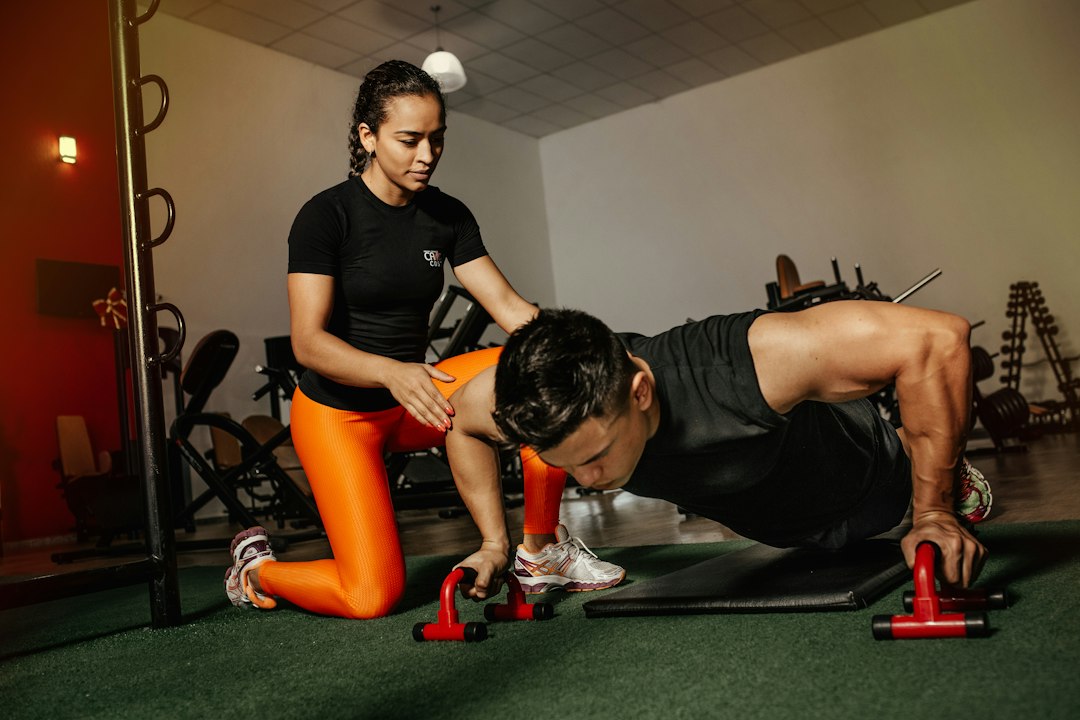
You used to hit the same weights without thinking twice. Now the bar feels heavier, recovery takes longer, and the dumbbells you swore you'd never drop back down to are suddenly back in rotation. Most people over 55 write this off as inevitable aging. It isn't just aging—it's often sarcopenia, and the scale, the mirror, and even your gym log won't tell you it's happening until it's already cost you meaningful muscle.
What Is Sarcopenia and How Could It Be Prevented?
Sarcopenia is the progressive, age-related loss of skeletal muscle mass, strength, and function. It typically begins accelerating in your 30s and 40s, with muscle loss rates climbing to 1–2% per year after 50. By 60, many adults have lost 10–15% of the muscle they carried in their 30s—without ever stepping on a scale that reflects it, because fat mass quietly fills the gap left behind.
The prevention side is more encouraging than the diagnosis sounds. Sarcopenia is not an inevitability—it's a measurable, trackable, and largely preventable process when you have the right data. The two levers that move the needle most are resistance training (specifically progressive overload, not just "staying active") and adequate protein intake. But here's the problem: most people doing "everything right" still don't know whether it's working, because bodyweight and how your clothes fit are terrible proxies for lean tissue.
This is where the appendicular lean mass index (ALMI) becomes the metric that matters. ALMI measures the muscle specifically in your arms and legs relative to your height—the exact tissue most responsible for functional strength, balance, and fall prevention as you age. Your annual physical doesn't check it. Your scale can't calculate it. A DEXA scan can.
Why Strength Declines Faster Than Expected After 55
Clients who come in reporting a strength plateau or decline almost always assume the fix is "train harder." Sometimes that's true. More often, the scan tells a different story: muscle mass has been eroding gradually over years, sometimes masked by stable or even increasing bodyweight as fat replaces lean tissue in the same frame. This is exactly the pattern we cover in Hitting 50 and Still Storing Fat After Strength Training?—effort and outcome have quietly disconnected, and without a scan, you'd never know.
Hormonal shifts play a role too. Declining testosterone and growth hormone, combined with reduced protein synthesis efficiency, mean your body needs more targeted stimulus and nutrition to maintain the same muscle it once built easily. We explore this dynamic in Testosterone Drops at 35—Does Your Muscle Reflect It?, and the trend only intensifies after 55.
Protein intake alone isn't a guarantee either. Plenty of people hit their targets and still lose lean mass, as detailed in Hitting Protein Goals But Still Losing Muscle After 50?. Without the training stimulus and the data to confirm it's working, protein alone can't outpace the decline.
Where to Get a DEXA Scan Near Me
If you're searching "dexa scan near me" or "where to get a dexa scan near me" because your strength numbers have stalled or dropped, Kalos operates clinical-grade DEXA scanning locations across the Bay Area—San Francisco, Palo Alto, and San Jose (Pruneyard). We've completed over 3,000 scans and maintain a 4.9-star rating across 500+ Google reviews. All scans are HSA/FSA eligible.
A single scan gives you a full breakdown: total lean mass, fat mass, visceral adipose tissue, bone mineral density, and critically, your ALMI score benchmarked against age- and sex-matched norms. This is the number that flags sarcopenia risk long before you'd notice it in the mirror—a theme we cover in depth in Sarcopenia Risk Scores: What Bay Area Scans Confirm and Tracking Sarcopenia Risk Before Symptoms Appear Changes Everything.
What the Scan Actually Changes
A single scan is a snapshot. The real value comes from scanning again at 60, 90, or 120 days to see whether your training and nutrition are actually preserving or rebuilding lean mass—not just making you feel stronger subjectively. We've seen this play out repeatedly in clients documented in Strength Returns After 50—But Is Muscle Actually Coming Back? and Muscle Recovery After 50: Can Scans Predict Your Comeback?, where the scan either confirmed hard work was paying off or exposed a program that needed to change.
This is the gap between data and action that most wellness tracking never closes. Wearables tell you steps and heart rate—the wrong data for sarcopenia. A scan gives you the right data (ALMI, lean mass trends, bone density), but data alone doesn't rebuild muscle. That's why our scans feed directly into coaching: NASM-certified analysts translate your ALMI trajectory into a specific resistance training and protein strategy, then re-scan to confirm it's working. No guessing, no generic programs pulled from a methodology that wasn't built for your body.
If your deadlift, squat, or basic daily function has quietly declined and you've been chalking it up to "just getting older," it's worth finding out what your muscle actually looks like underneath the number on the scale. Functional Fitness After 55: Are Gains Real or Illusion? covers exactly this crossroads—and for executives already building a longevity stack, Palo Alto Executives Ignoring the Metric That Predicts Sarcopenia breaks down why ALMI belongs alongside your bloodwork and VO2 max testing.

Ready to measure what matters?
Book your DEXA scan today and stop guessing about your health.