Fasting Mimicking Diets Are Reshaping Bay Area Wellness—But at What Muscle Cost?
Fasting mimicking diets (FMDs) have become the latest obsession across San Francisco, Palo Alto, and San Jose wellness circles. Popularized by longevity researchers and embraced by the "optimizer" crowd who already track everything through Oura rings and Whoop bands, the five-day, low-calorie protocol promises autophagy, metabolic reset, and fat loss without the grind of a traditional diet. But there's a question almost nobody answers with real data: does fasting cause muscle loss, or is that concern just internet noise?
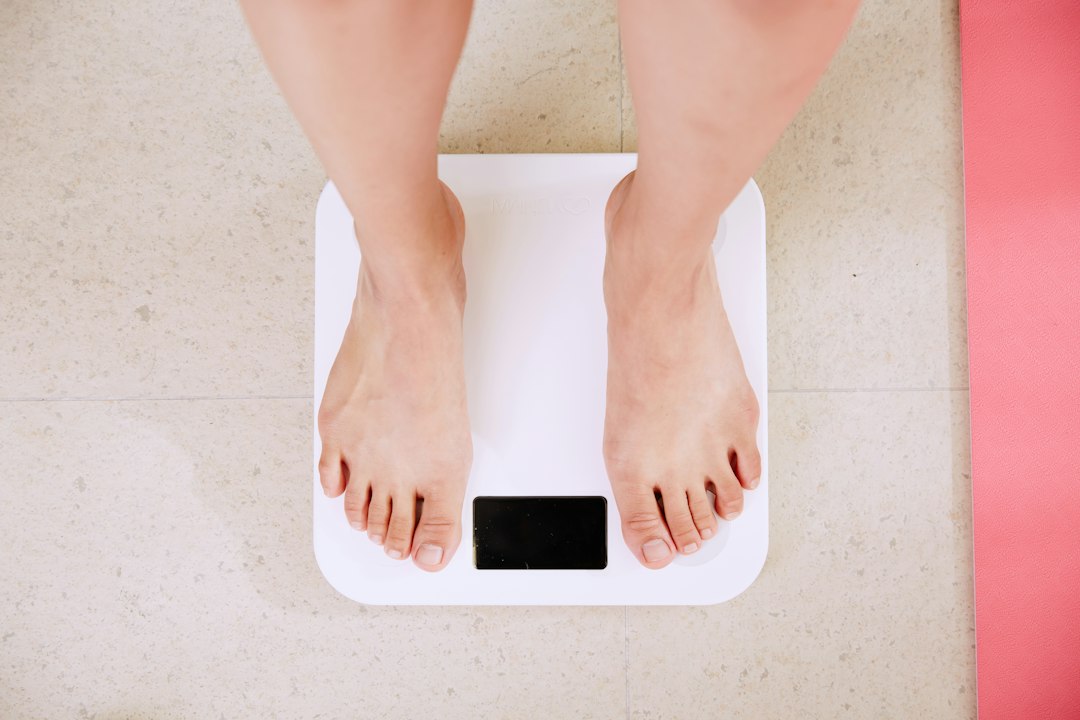
The honest answer is it depends—and "it depends" is exactly why a scale or a mirror can't settle the debate. Weight loss during an FMD cycle is real. What that weight loss is actually made of is a separate question entirely, and it's one that bathroom scales, calipers, and BMI charts are structurally incapable of answering. This is where a dexa scan fasting comparison becomes non-negotiable. A DEXA scan is the only widely accessible tool that separates total weight loss into its three components: fat mass, lean mass, and bone mineral content. Without that breakdown, someone celebrating a 4-pound drop after a five-day fasting cycle has no idea whether they lost fat, muscle, or some uncomfortable combination of both.
Here's what we see repeatedly when Bay Area clients scan before and after an FMD cycle: short, aggressive calorie restriction without adequate protein or resistance training frequently pulls disproportionately from lean mass, especially in people who aren't strength training consistently during the fasting window. This isn't universal—age, training history, and protein intake during refeeding all matter—but it's common enough that "fasting muscle loss myth" is itself somewhat of a myth. It's not a guaranteed outcome, but it's also not the harmless fat-only process the wellness marketing suggests.
This matters most for two groups we see constantly. The longevity-focused segment building a "healthspan stack" is often the same population running quarterly FMD cycles, and appendicular lean mass index is exactly the metric their concierge physicals and bloodwork panels never check. The other group is the data-driven optimizer who treats their body like a system to A/B test—if you're running an FMD cycle as an experiment, the DEXA scan is the only way to actually read the results instead of guessing.
At Kalos, we think about this through our Aesthetics-Longevity-Performance triangle. Fasting protocols marketed purely as fat-loss tools often ignore that muscle mass sits at the intersection of all three vertices—lose it carelessly and you're not just changing how you look, you're compromising bone density support, metabolic rate, and functional strength simultaneously. Our nutrition framework is built around the same 80/16/3/1 prioritization we apply to every client: quantity (calories and protein) drives 80% of outcomes, and timing strategies like intermittent or mimicking fasts sit in the 3% "timing" bucket. That doesn't mean fasting is useless—it means it should never be the centerpiece of a strategy that ignores the bigger levers.
This pattern shows up across the fasting spectrum, not just five-day mimicking protocols. We've documented similar findings in clients doing extended fasting after 50, in longer extended fasting protocols, and even during religiously-observed fasting windows like Ramadan, where the timing and refeeding structure made a measurable difference in outcomes. The common thread across every scan: people who paired fasting cycles with resistance training and adequate protein during refeeding windows preserved lean mass far better than those who fasted and did cardio alone, or nothing at all.
The fix isn't abandoning FMDs—it's measuring them. A baseline DEXA scan before starting a fasting protocol, followed by a rescan 60–90 days later, tells you definitively whether the approach is preserving or eroding muscle for your specific body. From there, a coach can adjust protein targets, training frequency, and refeeding structure so the next cycle protects what matters. That's the bottom-up approach Kalos was built on: we don't care which methodology you believe in, we care what the data shows is actually happening to your body.
If you're running fasting protocols and want to know what's really changing—fat, muscle, or both—book a scan at one of our San Francisco, Palo Alto, or Pruneyard locations and get the answer instead of the guess.

Ready to measure what matters?
Book your DEXA scan today and stop guessing about your health.