Semaglutide Users Losing Muscle Fast—Scans Confirm the Crisis
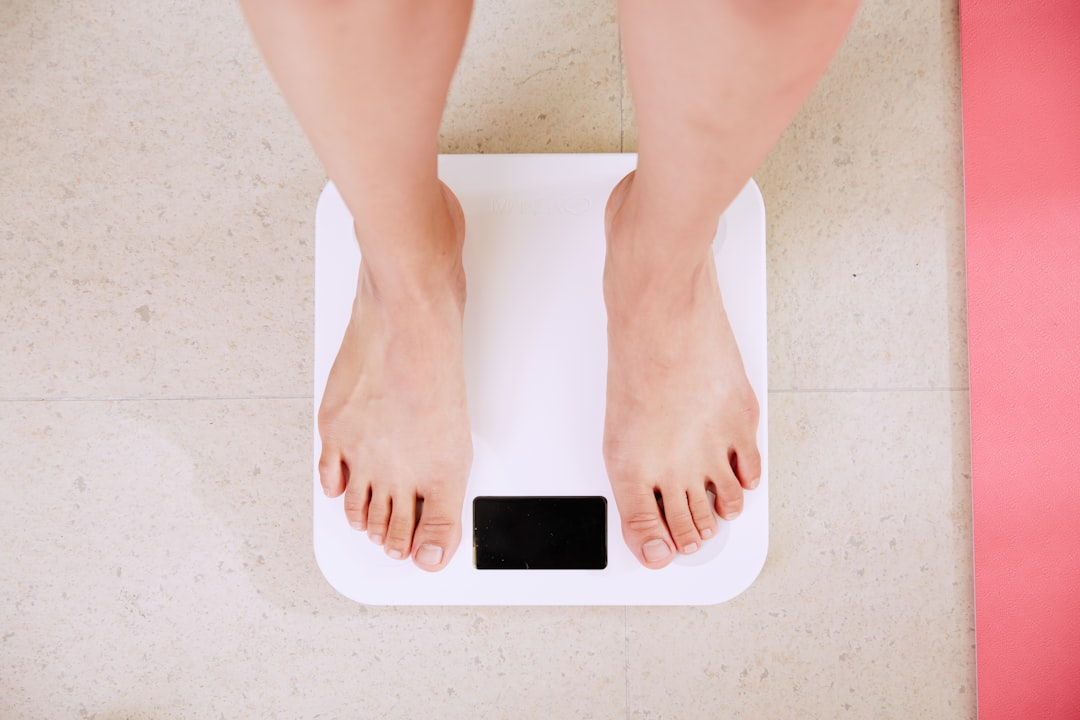
The number on the scale is going down. Clothes fit better. Friends are asking what you're doing differently. By every visible metric, semaglutide is working.
But clinical-grade body composition scans are revealing something the scale cannot: a significant portion of what's being lost isn't fat. It's muscle. And for the growing population of Bay Area adults on semaglutide—the active ingredient in Ozempic and Wegovy—this distinction isn't academic. It determines whether you end up healthier, or whether you end up lighter but functionally weaker, metabolically slower, and biologically older.
What Semaglutide Actually Does to Your Body
Semaglutide is a GLP-1 receptor agonist. It mimics a gut hormone that regulates appetite, slows gastric emptying, and signals satiety to the brain. The result: you eat substantially less. That caloric deficit drives weight loss.
The problem is that aggressive caloric restriction—without targeted resistance training and adequate protein—triggers the body to cannibalize lean mass alongside fat. This isn't a semaglutide-specific flaw. It's a fundamental feature of rapid weight loss from any cause. Semaglutide just produces that deficit faster and more consistently than most people can achieve through willpower alone.
Clinical trial data has put a number on the problem: studies suggest that roughly 25 to 40 percent of weight lost on GLP-1 medications like semaglutide consists of lean mass, not fat. Some analyses have placed that figure even higher depending on the population and protocol.
If you're asking does Ozempic cause muscle loss—the answer, confirmed by scan data collected across Bay Area clients, is yes. Consistently and often silently.
Why the Scale Lies About What's Actually Happening
Consider two people, both of whom have lost 20 pounds on semaglutide over four months.
Person A lost 15 pounds of fat and 5 pounds of muscle. Their body fat percentage dropped meaningfully. Their resting metabolic rate is largely preserved. They're stronger than they were. Their visceral adipose tissue—the dangerous fat wrapped around internal organs—is down. This is a genuine health win.
Person B lost 10 pounds of fat and 10 pounds of muscle. Their body fat percentage barely moved. Their resting metabolic rate has declined, making future fat loss harder and weight regain more likely. They feel tired. Their functional strength has dropped. Their visceral fat may have decreased only modestly. By every clinical marker that matters, they are worse off than Person A—despite losing the exact same amount of scale weight.
A bathroom scale cannot tell you which person you are. Neither can a BMI calculation. Neither can how you look in the mirror. Only a clinical-grade body composition scan—specifically a DEXA scan—can show you the ratio of fat mass to lean mass lost, segmented by body region, with precision that no other consumer or clinical tool matches.
What DEXA Scans Actually Measure—and Why It Matters Here
DEXA (dual-energy X-ray absorptiometry) uses two low-dose X-ray beams to distinguish between bone mineral, lean soft tissue, and fat mass. The output isn't a single number—it's a detailed map of your body.
For semaglutide users specifically, the metrics that matter most include:
Lean mass by region. DEXA breaks your body into segments—arms, legs, trunk, android (belly), gynoid (hip/thigh). Muscle loss from GLP-1 medications often shows disproportionately in the appendicular regions (arms and legs), which is precisely where functional strength lives and where sarcopenia—age-related muscle loss—begins.
Appendicular Lean Mass Index (ALMI). This is your arm and leg lean mass adjusted for height. It's the primary clinical marker used to diagnose sarcopenia. Many adults on semaglutide are unknowingly pushing their ALMI toward or below clinical thresholds while their scale weight drops in a way that looks like success. Tracking sarcopenia risk before symptoms appear is one of the most important things a semaglutide user can do with a DEXA scan.
Visceral Adipose Tissue (VAT). Not all fat loss is equal. Visceral fat—the metabolically active fat surrounding your organs—is the fat most associated with cardiovascular disease, insulin resistance, and inflammation. A DEXA scan quantifies this directly. Some semaglutide users lose meaningful subcutaneous fat (the kind under your skin) while visceral fat remains stubbornly elevated.
Bone Mineral Density (BMD). Rapid weight loss is a known risk factor for bone density reduction. Semaglutide-induced weight loss is no exception. For adults over 40—especially perimenopausal and postmenopausal women already at elevated risk—tracking BMD during a GLP-1 protocol is not optional. It is essential. Bone density declines silently, and DEXA is the only tool that catches it before fracture risk becomes real.
The Education Gap That's Hurting GLP-1 Users
Most people who start semaglutide are focused on one thing: losing weight. That's entirely understandable. The medications work, they're prescribed by doctors, and the results are visible and motivating.
What's rarely discussed in the prescribing conversation is body composition. Most prescribing physicians don't order DEXA scans. Most don't discuss protein targets or resistance training protocols. The conversation is about the drug—not about what you need to do alongside it to ensure the weight you lose is actually fat.
This is the gap that DEXA scanning directly fills. Scan data makes it undeniable: semaglutide builds no muscle on its own. The medication creates the deficit. What you do with that deficit determines whether you lose fat, muscle, or both.
If you've been wondering whether your medication is actually working the way you think it is, the right question isn't "how much weight am I losing?" It's whether your fat loss matches your weight loss—and only a scan can answer that.
What Bay Area Scan Data Is Showing
Across thousands of scans completed at Kalos locations in San Francisco, Palo Alto, and San Jose, a pattern has emerged among GLP-1 users who come in for body composition analysis.
Many arrive proud of their progress. The scale number is down 15, 20, 30 pounds. Their energy is better. They feel lighter.
Then they see the segmented lean mass data.
For a significant subset—particularly those who aren't doing structured resistance training and aren't hitting protein targets—the lean mass loss is substantial. Arms are down. Legs are down. Trunk lean mass has dropped. In some cases, the data reveals that body fat percentage has barely moved, because lean mass and fat mass have decreased together.
This is what's been called "skinny fat acceleration"—weight loss that leaves the ratio of fat to muscle largely unchanged or even worsened, while the absolute numbers drop. The scale cooperates. The body composition does not. The hidden danger of looking healthy while your body composition tells a different story is one of the defining blind spots of scale-only tracking.
The Two Interventions That Change the Outcome
Research on GLP-1 medications and body composition is increasingly clear that two variables, more than any others, determine whether a semaglutide user preserves muscle during weight loss.
Resistance training. Structured strength training is the primary signal your body needs to preserve lean mass during a caloric deficit. Without it, the body has no reason to maintain muscle that isn't being used. This doesn't mean you need to become a competitive powerlifter. It means consistent, progressive resistance work—ideally two to four sessions per week—done with enough intensity to tell your body that this muscle is needed. Consistency is the 80 percent variable. As Kalos coaches emphasize: the single biggest factor is whether you're actually going to the gym. Programming matters far less than showing up.
Protein intake. Muscle is built and maintained from amino acids. During a caloric deficit—especially the aggressive one that semaglutide can create—protein requirements actually increase, because the body has less total energy and is under greater catabolism pressure. Most GLP-1 users eat less of everything, including protein, because appetite suppression is non-selective. Getting enough protein when your appetite is suppressed requires intentionality. It doesn't happen by default.
These aren't marginal optimizations. In the framework Kalos uses for nutrition, quantity—calories and macros—is 80 percent of the equation. Protein is the most critical macro for semaglutide users. Protein targets mean nothing without measuring whether they're actually translating into muscle preservation—which is exactly what DEXA scans confirm or challenge.
Why Monthly Scanning Matters More Than a One-Time Baseline
A single DEXA scan before starting semaglutide gives you a baseline. That's valuable. But it's the trend data—scans taken at regular intervals as the medication does its work—that gives you the actionable intelligence to adjust in real time.
If your scan at 60 days shows that lean mass loss is outpacing fat loss, you have the information to change course: increase protein, add resistance training, adjust medication dose in conversation with your prescriber, or modify your caloric intake. Retesting after 60 days is one of the highest-leverage things a semaglutide user can do.
If you wait until the weight loss is complete—or until you notice physical weakness, fatigue, or the medication stopping working—you've lost months of adaptation time. When Ozempic stops working, muscle loss is often a central reason. Less lean mass means a lower resting metabolic rate, which means the same caloric intake that produced a deficit six months ago may now be maintenance or even a surplus.
This is how weight regain happens. Not because the medication failed, but because the body composition shifted in a way that nobody was tracking.
Losing Weight on Semaglutide Without Losing the Muscle
The goal for semaglutide users isn't to avoid the medication. It isn't to lose weight more slowly. It's to ensure that what's being lost is fat—and that muscle is being actively defended.
Losing weight on GLP-1s without destroying muscle is entirely achievable. But it requires knowing where you stand at baseline, tracking what's actually changing, and having a coaching structure that connects your behaviors—training, protein, sleep, recovery—to your scan outcomes.
The Kalos approach is grounded in exactly this logic. DEXA scanning is the measurement layer. Coaching is the transformation engine. The scan tells you what's happening. The coach tells you what to do about it—and holds you accountable to doing it consistently. Every Kalos performance analyst is NASM-certified and brings an elite athletic or data science background. The analysis isn't generic. It's calibrated to your specific scan data, your goals, and your current protocol.
For semaglutide users, the framework is particularly clear: the medication handles the appetite suppression and the caloric deficit. Kalos handles the body composition outcome.
The Body Composition Analysis That GLP-1 Users Aren't Getting From Their Prescribers
If you're on semaglutide, Wegovy, or any GLP-1 medication and you haven't had a clinical-grade body composition scan, you're flying blind. The scale is giving you one number. Your body is undergoing a complex redistribution of fat, muscle, and potentially bone—and none of that is visible from the outside.
Searching for body composition near me or body composition analysis near me in the Bay Area points to a range of options. Bioelectrical impedance (the kind in smart scales and most gyms) is notoriously inaccurate during weight loss because hydration shifts—which are common on semaglutide—distort the readings. DEXA is the clinical gold standard for a reason: it's accurate, reproducible, and segmented in ways that bioimpedance simply cannot match.
Kalos operates three Bay Area locations—San Francisco, Palo Alto, and San Jose (Pruneyard)—with clinical-grade DEXA equipment and performance analysts who understand GLP-1 pharmacology, body composition dynamics, and what the data means for your specific situation.
All services are HSA/FSA eligible.
The crisis isn't that semaglutide causes muscle loss. The crisis is that most users don't know it's happening until the damage is done. A DEXA scan is how you find out before that point—and a coaching protocol is how you make sure it doesn't reach that point at all.

Ready to measure what matters?
Book your DEXA scan today and stop guessing about your health.