Outdoor Cardio Season Quietly Strips Muscle From Bay Area Bodies
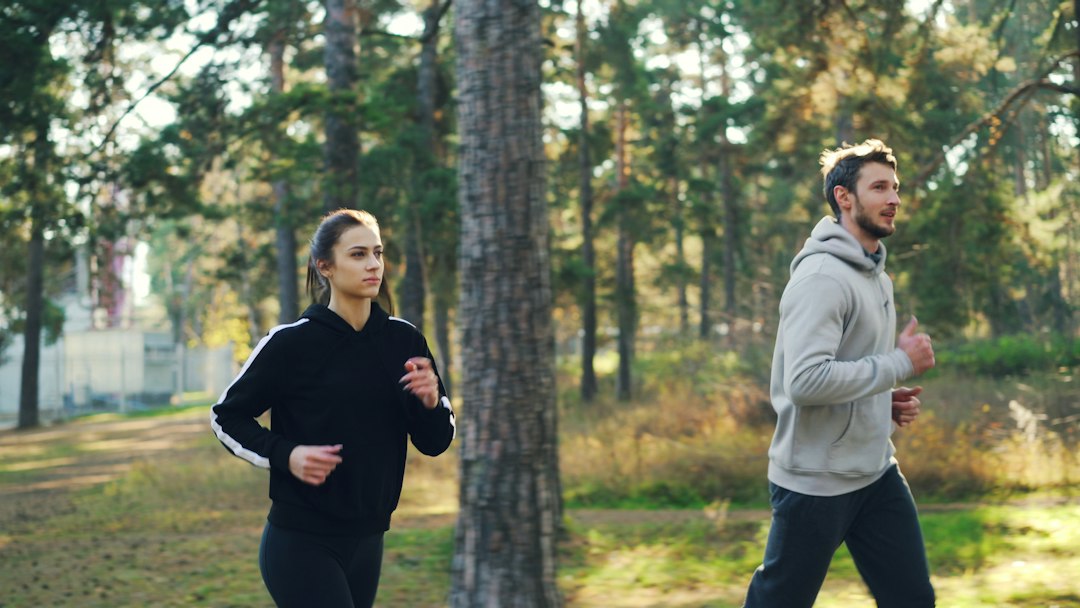
October in the Bay Area is prime outdoor cardio season. The summer fog has burned off, temperatures have dropped into the sixties, and the trails at Rancho San Antonio, the Dish, and Angel Island are packed with runners, cyclists, and hikers trying to squeeze in miles before the winter rain sets in. Search interest around q outdoor activity and training spikes every fall in this region, and for good reason—outdoor cardio feels productive. You're sweating, your watch says you burned 600 calories, and your resting heart rate is trending down week over week.
But productivity on a smartwatch and progress in body composition are not the same thing. At Kalos, we scan thousands of Bay Area residents every year, and the pattern that shows up most reliably during outdoor cardio season is this: cardiovascular fitness improves while lean muscle mass quietly declines. People feel like they're getting healthier. The scan often disagrees.
Why Outdoor Cardio Season Is a Muscle Mass Trap
The physiology here isn't complicated. Long, steady-state outdoor activity—running, cycling, hiking—is calorically expensive and metabolically demanding in a way that, without adequate protein intake and resistance training, pushes the body toward using lean tissue for fuel. This isn't a hypothetical. We've documented it extensively in our work on cardio addiction and muscle loss and in our breakdown of zone 2 training's effect on muscle during the spring running season. Fall adds its own wrinkle. Unlike the summer activity surge we tracked in our analysis of peak outdoor activity and body composition, autumn outdoor cardio tends to be longer in duration and lower in intensity—think three-hour hikes and 10-mile Saturday long runs rather than sprint intervals. Longer, lower-intensity sessions are precisely the kind of training that, when not paired with strength work, correlates most strongly with lean mass decline on DEXA scans. We've seen this same dynamic play out in our hiking season body composition data and in our review of rucking's actual muscle-building potential, which, despite the added load, rarely substitutes for structured resistance training. Rowing machines and spin classes, the indoor cousins of outdoor cardio season, tell the same story. Our rowing machine body transformation data and spinning class findings both show cardiovascular capacity climbing on paper while appendicular lean mass index quietly erodes underneath it.The Metric Nobody's Watch Is Tracking
Wearables are excellent at measuring heart rate, elevation gain, and pace. They are not measuring muscle. This is the core description problem we talk about constantly at Kalos: you can have a mountain of fitness data and still be missing the one number that actually predicts how your body is changing—lean mass, broken down by region, measured against fat mass and bone density. DEXA scan for muscle mass tracking is the only reliable way to catch this shift before it shows up as a plateau, a nagging injury, or a body that "looks the same" despite months of consistent trail miles. A DEXA scan separates fat mass, lean mass, and bone mineral content with clinical precision—something a scale, a tape measure, or a smartwatch simply cannot do. This matters most for Bay Area tech workers and executives who already track sleep, steps, and HRV obsessively but have never had a single clean data point on what their muscle tissue is actually doing. This is the same gap we've written about in our coverage of sprint training's effect on muscle versus fat and our look at whether interval training actually delivers the fat loss it promises. The data doesn't care how hard the workout felt. It only reports what changed.Preparing for an Accurate Scan
If you're heading into outdoor cardio season wanting a real baseline—or a check-in after a summer or fall of heavy mileage—following proper DEXA scan preparation instructions matters more than people expect. Hydration status, recent exercise, and food intake can all shift the readout slightly, so we recommend:- Avoid intense exercise for 24 hours before your scan, since recent strength or cardio sessions can temporarily alter fluid distribution in muscle tissue.
- Stay consistently hydrated in the days leading up to the scan, but avoid chugging excess water immediately beforehand.
- Skip high-sodium meals the night before, which can cause temporary water retention that muddies visceral fat and lean mass readings.
- Wear clothing without metal zippers, underwire, or buttons—most people wear a simple t-shirt and shorts.
- Remove jewelry and empty pockets before stepping onto the table.
- If you're scanning monthly to track a training block, try to scan at a similar time of day and similar point in your hydration cycle each time, so month-over-month comparisons stay accurate.
What a Monthly Scan Actually Catches
The reason we push Bay Area clients—especially the ones already deep into Peak Performer territory, A/B testing their training like a system—toward monthly scans rather than a single baseline is that outdoor cardio season doesn't announce muscle loss. It's silent. You keep running your usual loop, your pace stays steady or even improves, and you assume that means everything underneath is fine. We've documented this exact blind spot in our work on what happens when people skip scans for 90 days—by the time it shows up as a stalled lift or a loose-fitting shirt, the muscle has often already been gone for weeks. A monthly scan connects your actual training behavior to actual tissue-level outcomes. If your long runs are correlating with dropping ALMI, that's actionable information—it might mean adding two structured resistance sessions per week, increasing protein intake, or simply reframing outdoor cardio as one input among several rather than the entire plan. This is the bottom-up approach Kalos takes to every client: we don't prescribe a methodology before we have data. We measure, we adjust, and we let the scan tell us what's actually working for your body, not the general population. For Bay Area professionals who treat their trail mileage like a KPI, that same rigor deserves to be applied to the metric that actually determines whether this training season is building a stronger body or quietly dismantling one. Kalos locations in San Francisco, Palo Alto, and the Pruneyard in San Jose offer clinical-grade DEXA scanning paired with coaching that translates the results into a plan—so outdoor cardio season adds muscle instead of erasing it.
Ready to measure what matters?
Book your DEXA scan today and stop guessing about your health.