How to Build a Weekly Fitness Routine That Supports Long-Term Health

A strong weekly fitness routine isn’t about doing the most exercise possible—it’s about doing the right types of movement consistently. The goal is to improve body composition, cardiovascular health, strength, mobility, and recovery capacity in a way you can sustain for years, not weeks.
Whether you’re trying to lose fat, build muscle, improve energy levels, or protect your long-term health, a structured weekly plan makes progress measurable—and repeatable.
And one of the best ways to track whether your routine is actually working is through regular body composition testing like a DEXA Scan San Francisco, which provides precise insight into fat mass, lean mass, and visceral fat changes over time.
Why Weekly Structure Matters More Than Intensity
Many people exercise inconsistently because they rely on motivation instead of structure. A weekly plan helps you:
- Balance strength training and cardio
- Prevent overtraining or injury
- Support muscle maintenance as you age
- Improve metabolic health
- Track measurable progress
A well-designed routine creates steady improvements in muscle mass, fat distribution, bone density, and cardiovascular fitness.
Tracking those changes with a DEXA Scan San Francisco every month (or at minimum every other month) ensures your effort translates into real physiological progress—not just guesswork.
The 5 Essential Components of a Healthy Weekly Routine
An effective plan includes five key elements working together.
1. Strength Training (2–4 Sessions per Week)
Strength training is the foundation of long-term health.
Benefits include:
- Increased lean muscle mass
- Improved insulin sensitivity
- Higher resting metabolic rate
- Reduced injury risk
- Stronger bones and joints
Focus on compound movements like:
- Squats
- Deadlifts
- Rows
- Presses
- Lunges
Muscle mass naturally declines with age unless actively maintained. Monitoring lean mass trends with a DEXA Scan San Francisco helps ensure your training protects long-term metabolic health.
2. Cardiovascular Training (2–3 Sessions per Week)
Cardio supports heart health, endurance, and fat metabolism.
Include a mix of:
- Moderate steady-state exercise (walking, cycling)
- Interval sessions (short bursts of higher intensity)
- Recreative sports like basketball, running, or swimming
Improving cardiovascular fitness also enhances recovery between strength workouts and reduces long-term disease risk.
3. Daily Movement (8,000–12,000 Steps per Day)
Structured workouts matter—but so does everyday movement.
Higher daily step counts are associated with:
- Lower visceral fat levels
- Improved blood sugar regulation
- Better energy levels
- Reduced inflammation
Visceral fat is especially important to monitor because it surrounds internal organs. A DEXA Scan San Franciscoprovides one of the most accurate measurements available.
4. Mobility and Flexibility (2–3 Sessions per Week)
Mobility keeps your body functioning efficiently as training intensity increases.
Add:
- Stretching sessions
- Yoga
- Dynamic warmups
- Joint stability exercises
Improved mobility reduces injury risk and helps maintain exercise consistency over time.
5. Recovery and Sleep (Daily Priority)
Recovery is where progress actually happens.
Prioritize:
- 7–9 hours of sleep
- Hydration
- Rest days
- Stress management
Without adequate recovery, muscle gain slows and fat loss becomes harder.
Tracking changes with a DEXA Scan San Francisco helps confirm whether your routine is supporting recovery or creating unnecessary stress.
Example Weekly Fitness Routine for Long-Term Health
Here’s a balanced structure many people can sustain:
Monday: Strength training (upper body)
Tuesday: Moderate cardio + steps
Wednesday: Strength training (lower body)
Thursday: Mobility or light activity
Friday: Full-body strength session
Saturday: Cardio or recreational sport
Sunday: Active recovery walk + stretching
This approach supports muscle growth, cardiovascular fitness, and recovery simultaneously.
How to Adjust Your Routine as Your Goals Change
Your weekly structure should evolve depending on priorities.
For fat loss:
- Increase daily steps
- Add interval cardio
- Maintain strength training frequency
For muscle gain:
- Increase resistance training volume
- Track progressive overload
- Monitor lean mass changes regularly
For longevity:
- Prioritize consistency over intensity
- Maintain bone-loading exercises
- Monitor visceral fat levels
Regular tracking with a DEXA Scan San Francisco ensures your routine matches your goals and produces measurable results.
How Often Should You Measure Progress?
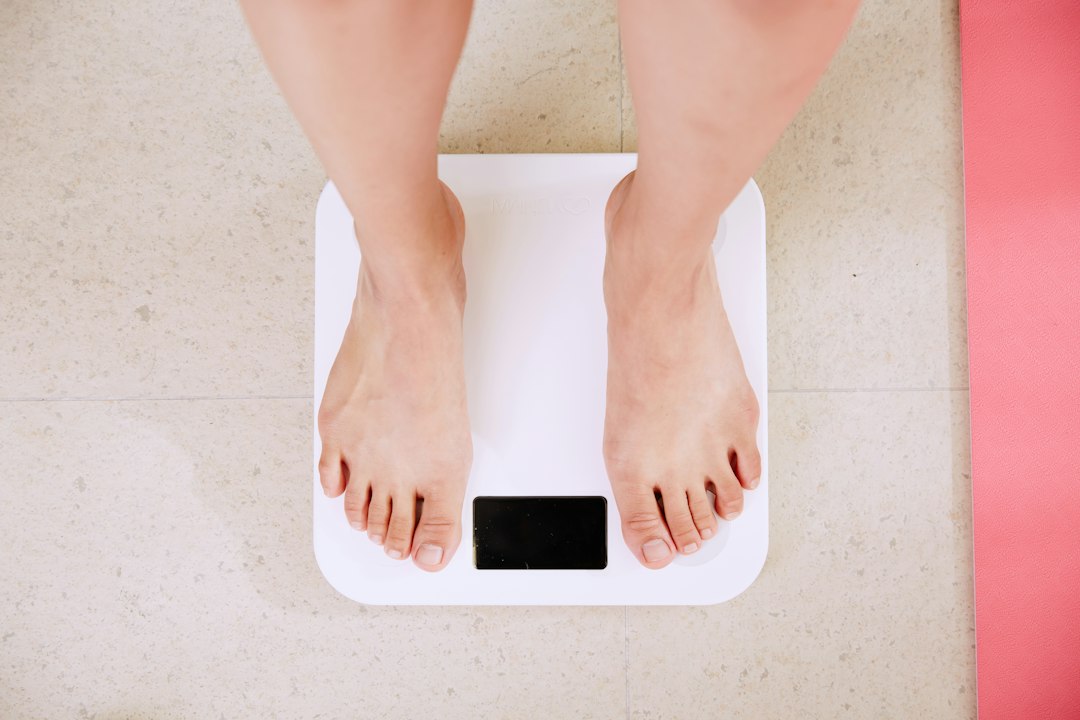
Most people rely on weight alone—but scale weight doesn’t distinguish between fat and muscle.
A DEXA Scan San Francisco provides:
- Body fat percentage
- Lean muscle mass
- Visceral fat measurements
- Bone density insights
- Regional body composition trends
Because meaningful body composition changes happen gradually, scans should be done monthly (or at minimum every other month) for optimal progress tracking. The scan itself takes only about six minutes, making it one of the fastest and most precise assessment tools available.
It’s important to note that full body composition DEXA scans are not covered by insurance, but they provide unmatched accuracy compared to traditional tracking methods.
The Long-Term Advantage of a Structured Routine
The best fitness routine isn’t the most extreme—it’s the one you can maintain consistently for years.
A balanced weekly structure helps you:
- Maintain muscle as you age
- Reduce chronic disease risk
- Improve metabolic flexibility
- Support joint health
- Increase daily energy levels
And when paired with regular progress tracking using a DEXA Scan San Francisco, your training becomes data-driven instead of guesswork.
Book Your DEXA Scan in San Francisco at KALOS Today
If you’re ready to take control of your health with the most accurate body composition analysis available, it’s time to book your DEXA scan at KALOS. Whether you’re looking to get lean, build muscle, improve performance, or optimize longevity, our advanced technology and expert guidance will help you get there. Schedule your scan today at KALOS, your journey to data-driven fitness starts now.

Ready to measure what matters?
Book your DEXA scan today and stop guessing about your health.