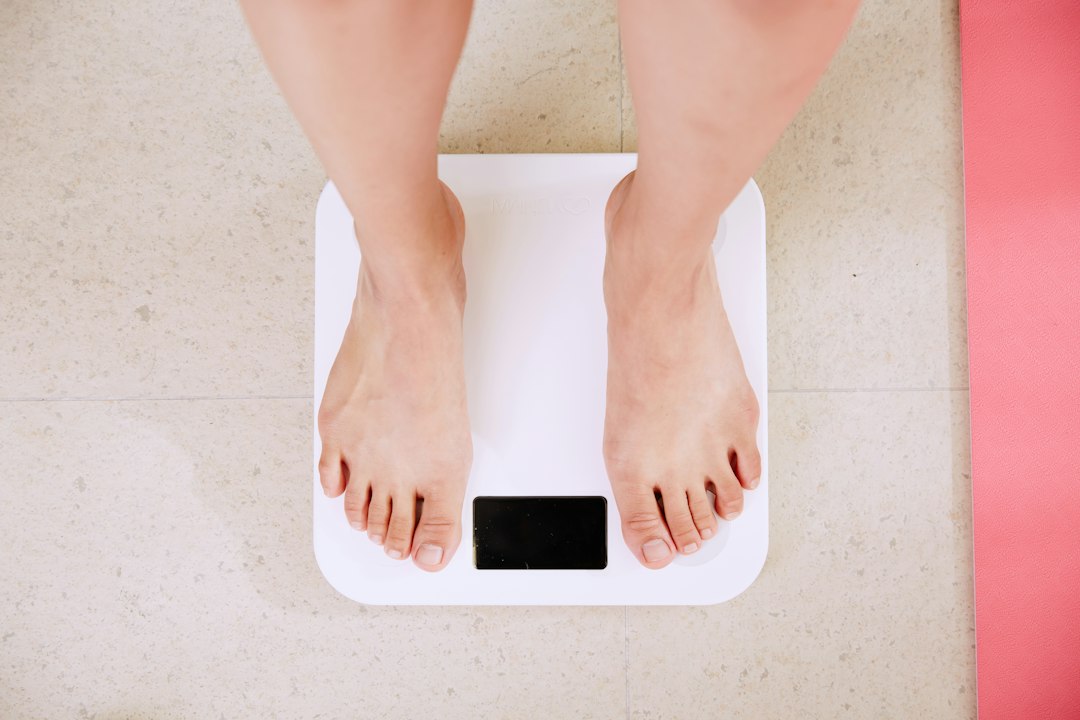
Fasting Mimicking Diets: Do DEXA Scans Confirm Real Fat Loss?

The fasting mimicking diet — most commonly associated with the ProLon 5-day protocol developed by longevity researcher Valter Longo — has become one of the most talked-about interventions in Bay Area health circles. The pitch is compelling: eat for five days using a specific low-calorie, plant-based macro formula that "tricks" your body into thinking it's fasting, triggering autophagy, cellular repair, and — critically for most people — fat loss.
The supplement stacks, the Instagram before-and-afters, the testimonials from biohackers citing Longo's research. It all sounds legitimate. And to be clear, some of it is. The underlying science behind caloric restriction and metabolic adaptation is real. But there's a question that almost nobody in the fasting mimicking space is asking loudly enough:
When you lose weight on a fasting mimicking diet, what exactly did you lose?
This is not a hypothetical concern. It's the central measurement problem with virtually every dietary intervention — and it's exactly the problem that DEXA scanning is built to solve.
Weight Loss Is Not the Same as Fat Loss
A standard five-day ProLon cycle delivers roughly 800 to 1,100 calories per day, with a specific macronutrient ratio designed to minimize protein while maintaining ketogenic-range fat intake. Most people who complete the cycle report losing between three and seven pounds on the scale.
That number feels validating. It looks like progress. But it tells you almost nothing about what actually changed in your body.
Your scale weight is the sum of fat mass, lean mass (muscle, organs, connective tissue), bone mineral density, and water. When you cut calories significantly for five days — even with a thoughtfully designed protocol — several things happen simultaneously:
- Glycogen stores in your liver and muscles deplete, and glycogen is stored alongside water (roughly 3 to 4 grams of water per gram of glycogen). You can lose two to three pounds of water and glycogen within the first 48 hours of any significant caloric restriction.
- Gut contents decrease. Five days of eating 800 calories means five days of reduced digestive volume.
- Actual fat oxidation occurs — but the extent varies considerably based on your baseline metabolic rate, activity level, and hormonal environment.
- Lean mass may or may not be preserved, depending on protein intake, resistance training during the protocol, and individual muscle protein synthesis rates.
A scale gives you one number. DEXA gives you the full breakdown — fat mass in pounds, lean mass in pounds, regional fat distribution including visceral adipose tissue, and bone mineral density. That's the difference between knowing your weight changed and knowing what changed.
What Kalos Scans Have Revealed About Caloric Restriction Protocols
At Kalos, we've completed over 3,000 DEXA scans across our Bay Area locations in San Francisco, Palo Alto, and San Jose. Many of our members come in specifically to measure the before-and-after of dietary interventions — including extended fasting, intermittent fasting, and fasting mimicking protocols.
The patterns we see are instructive. When members do a fasting mimicking cycle without accompanying resistance training, the scale often drops three to five pounds — but the DEXA tells a more complicated story. Frequently, we see:
- One to two pounds of actual fat mass lost
- One to two pounds of lean mass lost (particularly in individuals with lower baseline muscle mass or insufficient protein intake)
- The remainder attributable to fluid and glycogen shifts
Conversely, members who maintain resistance training during or immediately before and after their fasting mimicking cycle, and who prioritize protein intake in the refeeding window, tend to show more favorable body composition changes — with fat mass declining meaningfully and lean mass holding steady or recovering within two to three weeks.
This matters enormously. If you're doing a fasting mimicking cycle specifically to reduce visceral fat, improve longevity markers, or shift your body fat percentage — the outcome depends heavily on factors the protocol itself doesn't control. If you've been curious how similar caloric restriction approaches affect body composition, the data is consistent: method matters less than the variables surrounding it.
The Visceral Fat Question
One of the most commonly cited benefits of fasting mimicking protocols — beyond general weight loss — is preferential reduction of visceral adipose tissue (VAT). Valter Longo's research has suggested that periodic fasting cycles may target visceral fat more aggressively than subcutaneous fat, which would make the protocol particularly valuable for longevity-oriented users.
Visceral fat — the fat stored around your abdominal organs — is metabolically active in ways that subcutaneous fat is not. It's associated with insulin resistance, systemic inflammation, cardiovascular risk, and all-cause mortality at levels that subcutaneous fat simply isn't. For the longevity-focused professional tracking every health variable, reducing VAT is arguably more important than reducing total body fat percentage.
DEXA is the clinical-grade tool for measuring this. A standard scale, tape measure, or even a consumer bioelectrical impedance device cannot distinguish visceral fat from subcutaneous fat. DEXA can. Understanding your visceral fat score from a DEXA scan gives you a concrete, trackable number — not an estimate, not an inference from waist circumference, but a direct measurement.
What we see in practice: members who complete multiple fasting mimicking cycles over three to six months, tracked with serial DEXA scans, do often show meaningful VAT reduction — particularly when the cycles are combined with adequate protein intake, resistance training, and overall caloric awareness outside the protocol windows. Members who run the protocol in isolation — without tracking what they're eating the other 25 days of the month — often show minimal visceral fat change despite significant scale movement.
The protocol is a tool. The data tells you whether you used it correctly.
The Muscle Preservation Problem
Here's the variable that fasting mimicking advocates don't discuss loudly enough: muscle loss.
The ProLon macronutrient formula is intentionally low in protein. The rationale is that low protein intake is necessary to suppress mTOR signaling and promote autophagy — the cellular cleanup process that is a primary claimed mechanism of the protocol. This is scientifically defensible. The problem is that suppressing mTOR also means suppressing muscle protein synthesis.
For a 25-year-old with high baseline muscle mass doing one cycle per quarter, this is probably a minor concern. For a 45-year-old Bay Area professional who is already losing lean mass at the normal age-related rate of roughly 0.5 to 1 percent per year — and who sits at a desk for nine hours a day — the cumulative effect of repeated fasting mimicking cycles without compensatory resistance training is worth taking seriously.
The DEXA data on lean mass loss after 40 is unambiguous: it happens faster than most people realize, and it's nearly invisible without direct measurement. A five-day fasting mimicking cycle might produce half a pound of lean mass loss that completely reverses within a week of normal eating — or it might represent a net negative if the individual is already in a deficit trajectory. You cannot know without measuring.
This is particularly relevant for women approaching or in perimenopause, where hormonal shifts already create downward pressure on muscle protein synthesis. The interaction between caloric restriction and bone density during perimenopause is another variable that makes serial DEXA tracking during any fasting protocol genuinely important — not optional.
How Kalos Approaches Fasting Mimicking Protocols
Kalos is methodology-agnostic. We're not here to tell you that fasting mimicking diets are good or bad. The research on autophagy induction, IGF-1 reduction, and metabolic reset is real and worth taking seriously. What we are here to do is connect your behavior — the X variable of "I did a five-day ProLon cycle" — to your outcome — the Y variable of what your body composition actually shows afterward.
This is the core of how Kalos thinks about every nutrition intervention. Optimizing your nutrition plan without measurement data is hypothesis formation without testing. You're making your best guess about what's working. DEXA converts that guess into data.
In practice, here's how Kalos members use DEXA scanning around fasting mimicking protocols:
- Baseline scan before the cycle. This establishes your starting fat mass, lean mass, visceral fat score, and regional body composition. Without a baseline, you have nothing to compare against.
- Post-cycle scan seven to fourteen days after completion. Why not immediately after? Because the acute effects of caloric restriction — fluid loss, glycogen depletion — should normalize before you measure. A scan taken 24 hours after finishing a five-day fast will show dramatic changes that largely reverse within a week. Scanning at day seven to fourteen shows you what actually changed.
- Quarterly tracking scan. For members doing multiple cycles per year, tracking body composition quarterly allows Kalos coaches to identify trends — are you building lean mass between cycles? Is your visceral fat trajectory moving in the right direction? Is the protocol producing meaningful fat loss or just scale movement?
Our NASM-certified performance analysts review your scan results in person and connect what the data shows to what you've been doing — exercise, nutrition, sleep, stress. This is the prescription layer that converts measurement into action. The data tells us what's working for you specifically, not what worked in a clinical trial on a population that may have little in common with your baseline.
Who Should Be Scanning Around Fasting Mimicking Cycles
If you're doing a fasting mimicking diet and you fit any of the following profiles, serial DEXA scanning is genuinely worth your time:
Tech professionals optimizing via data. If you're tracking sleep with an Oura ring, monitoring HRV with Whoop, and reading Peter Attia's longevity protocol breakdowns — adding DEXA to your stack is the logical next step. You're already treating your body as a system to optimize. The fasting mimicking cycle is a hypothesis. DEXA is how you test it. The longevity-focused case for DEXA scanning is directly relevant here.
Adults over 40 prioritizing muscle preservation. If lean mass retention is a concern — and it should be after 40 — you need to know whether your fasting protocol is eroding muscle. Tracking muscle mass directly during any significant dietary intervention is the only way to catch lean mass loss before it becomes a meaningful deficit.
Anyone on a longevity stack. If you're doing ProLon specifically for its claimed longevity effects — autophagy, VAT reduction, IGF-1 suppression — you need clinical-grade metrics to know whether the intervention is delivering. Visceral fat score, appendicular lean mass index (ALMI), and bone mineral density are the markers that tell that story. Investing in your healthspan means measuring the variables that predict it.
GLP-1 users adding fasting mimicking protocols. Some Ozempic and Wegovy users are layering fasting mimicking cycles on top of their medication, reasoning that the caloric restriction will accelerate fat loss. This is worth watching carefully. GLP-1 medications already carry meaningful muscle loss risk. Adding a low-protein, low-calorie protocol on top compounds that risk. If your GLP-1 weight loss isn't matching your fat loss, the addition of a fasting mimicking protocol without measurement is a significant gamble.
The Honest Answer: Does DEXA Confirm Real Fat Loss from Fasting Mimicking Diets?
Sometimes yes. Sometimes the results are more complicated.
Members who use fasting mimicking cycles as part of a structured, measured program — with resistance training, adequate protein in refeeding windows, and clear visibility into their baseline body composition — often show real, meaningful fat mass reduction and visceral fat improvement. The protocol, in the right context, delivers on its core claims.
Members who run the protocol in isolation — as a standalone intervention without surrounding behavioral structure — often show scale movement that flatters the intervention while obscuring the fact that a meaningful portion of the loss was lean mass or fluid. Without a DEXA scan, they never know the difference. They feel like it worked. The data would tell them a more nuanced story.
That nuance is what changes outcomes. Not just for one fasting cycle, but for the cumulative trajectory of your body composition over months and years. The people who consistently improve their fat mass, preserve or build lean mass, and move their visceral fat score in the right direction are the ones who have measurement informing every decision — not just the ones who cycle between protocols hoping one of them sticks.
If you're in the Bay Area and you want to know what your fasting mimicking diet is actually doing to your body composition, Kalos has locations in San Francisco, Palo Alto, and San Jose. All scans are HSA/FSA eligible. The scan is the starting point. What you do with the data is where the real work — and the real results — begin.

Ready to measure what matters?
Book your DEXA scan today and stop guessing about your health.