Why Tracking Your Health Metrics Leads to Better Long-Term Results

Many people start improving their health with strong motivation, but without clear feedback it becomes difficult to know whether their efforts are working. Tracking health metrics provides objective insight into progress and helps guide smarter decisions about training, nutrition, and recovery.
Rather than relying on guesswork, consistent measurement allows you to make adjustments that support sustainable long-term improvement.
This article explains why tracking your health metrics leads to better long-term results, and how using a Dexa Scanhelps monitor meaningful changes in body composition over time.
Measurement Creates Accountability
Tracking health metrics increases awareness of daily habits and long-term trends.
When progress is measured regularly, people are more likely to:
- Stay consistent with exercise routines
- Maintain nutrition habits
- Improve recovery behaviors
- Follow structured health plans
Accountability makes healthy behaviors easier to maintain over months and years.
Objective Data Replaces Guesswork
Many people rely on how they feel or how they look in the mirror to judge progress. These signals can be misleading.
Tracking objective metrics helps you understand:
- Whether fat loss is actually occurring
- Whether muscle mass is increasing
- Whether activity levels are improving
- Whether recovery habits are working
Clear data makes it easier to adjust strategies when progress slows.
Early Detection Helps Prevent Setbacks
Health changes often happen gradually. Without measurement, they can go unnoticed until they become more difficult to reverse.
Tracking metrics helps identify:
- Declining muscle mass
- Rising body fat levels
- Increasing visceral fat
- Reductions in bone density
Early awareness allows earlier intervention and better long-term outcomes.
Tracking Encourages Consistency Over Time
Motivation naturally fluctuates. Data provides a stable reference point that supports long-term commitment.
When progress is visible, people are more likely to:
- Continue training programs
- Maintain nutrition habits
- Stay active throughout the week
- Prioritize recovery and sleep
Consistency is one of the strongest predictors of long-term health improvement.
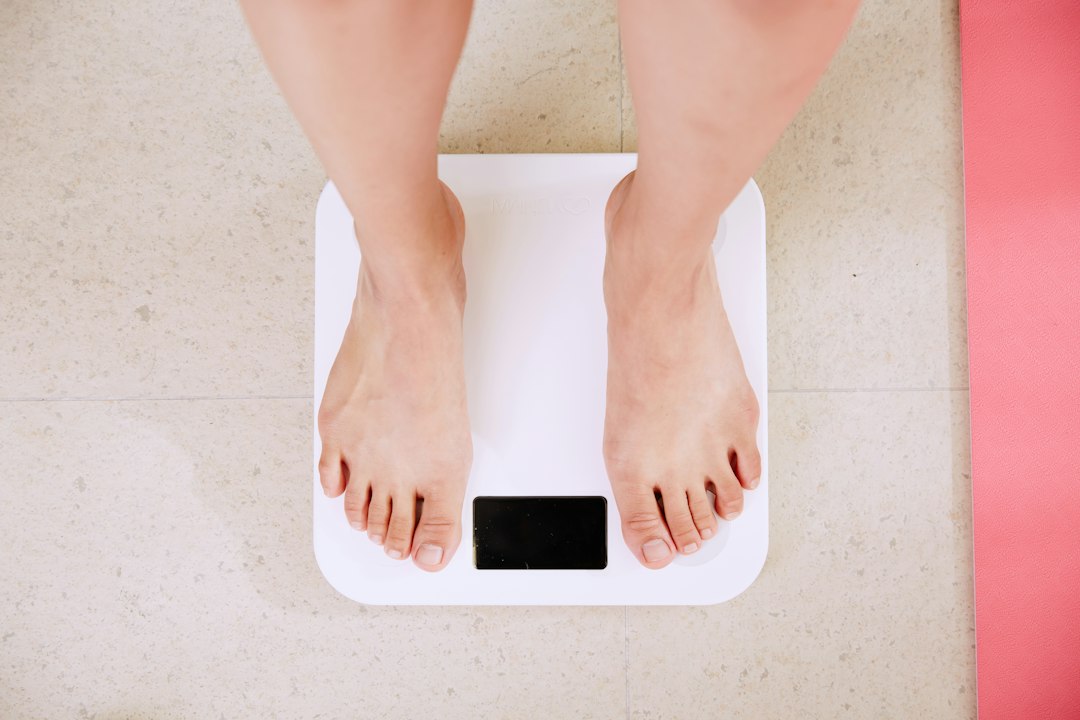
Body Weight Alone Does Not Show Real Progress
Many people rely only on scale weight to track health. However, body weight does not reflect important structural changes such as:
- Lean muscle development
- Reductions in visceral fat
- Improvements in fat distribution
- Changes in bone mineral density
Meaningful health improvements can occur even when weight stays the same.
Body Composition Data Provides Clearer Insight
Tracking body composition offers a more complete picture of progress than weight alone.
Important measurements include:
- Lean muscle mass
- Total body fat percentage
- Visceral fat levels
- Regional muscle distribution
- Bone mineral density
These indicators help show whether lifestyle changes are improving metabolic health and physical performance.
Regular Tracking Supports Smarter Adjustments
Health improvements rarely follow a straight path. Tracking metrics helps identify when adjustments are needed.
For example, data can reveal:
- When muscle gain slows
- When fat loss plateaus
- When recovery habits need improvement
- When training intensity should change
Making small adjustments early leads to better long-term results.
The Most Accurate Way to Track Meaningful Health Metrics
A Dexa Scan provides precise insight into structural health changes that influence long-term outcomes.
It measures:
- Lean muscle mass
- Total body fat percentage
- Visceral fat levels
- Regional body composition
- Bone mineral density
The scan itself takes about six minutes, making it practical for regular monitoring.
How Often Should You Track Body Composition?
To support long-term progress:
- A Dexa Scan should be done monthly
- Every other month at minimum
- Never less frequent than that when actively improving body composition
Frequent tracking helps confirm whether your routine is producing measurable improvements.
Full body composition Dexa scans are not covered by insurance, making them a proactive investment in long-term health.
The Bottom Line
Tracking health metrics helps transform short-term effort into long-term progress.
Consistent measurement supports:
- Greater accountability
- Clearer decision making
- Earlier detection of setbacks
- More effective training adjustments
- Improved body composition outcomes
Understanding how your body is changing makes it easier to maintain momentum and achieve lasting results.
Book Your DEXA Scan with Kalos Today in Downtown San Francisco, San Jose or Palo Alto!
If you want to track meaningful changes in muscle mass, fat levels, and long-term health trends, accurate measurement is essential. Kalos provides advanced Dexa Scan services to help you monitor body composition and make smarter decisions about your fitness and health.
Schedule your scan today, your journey to data-driven fitness starts now.

Ready to measure what matters?
Book your DEXA scan today and stop guessing about your health.