Dropping Pounds Fast? Your Muscle Is Paying the Price
There's a particular kind of confidence that comes with fast weight loss. The number drops, the clothes fit differently, and everyone around you notices. It feels like it's working.
But there's a problem that doesn't show up on the scale, and most people don't find out about it until the results stop coming—or worse, until they regain everything they lost plus a little more.
The problem is muscle loss. And it's happening to almost everyone who loses weight quickly.
What "Fast Weight Loss" Actually Means for Your Body
When you create a large caloric deficit—especially without sufficient protein and resistance training—your body doesn't selectively burn fat. It burns whatever is most accessible for energy. And muscle, metabolically speaking, is expensive tissue. Your body is surprisingly willing to sacrifice it.
Research consistently shows that anywhere from 25% to 40% of weight lost through aggressive caloric restriction comes from lean mass, not fat. That means if you drop 20 pounds in two months, somewhere between 5 and 8 of those pounds may have been muscle you worked years to build.
This matters for reasons that go well beyond aesthetics. Muscle is the primary driver of your resting metabolic rate. Less muscle means fewer calories burned at rest, which makes it progressively harder to maintain any weight you've lost. It's one of the key mechanisms behind weight regain—and it's why high-performing Bay Area professionals who diet without tracking lean mass often find themselves spinning in circles.
The Scale Tells You Nothing About This
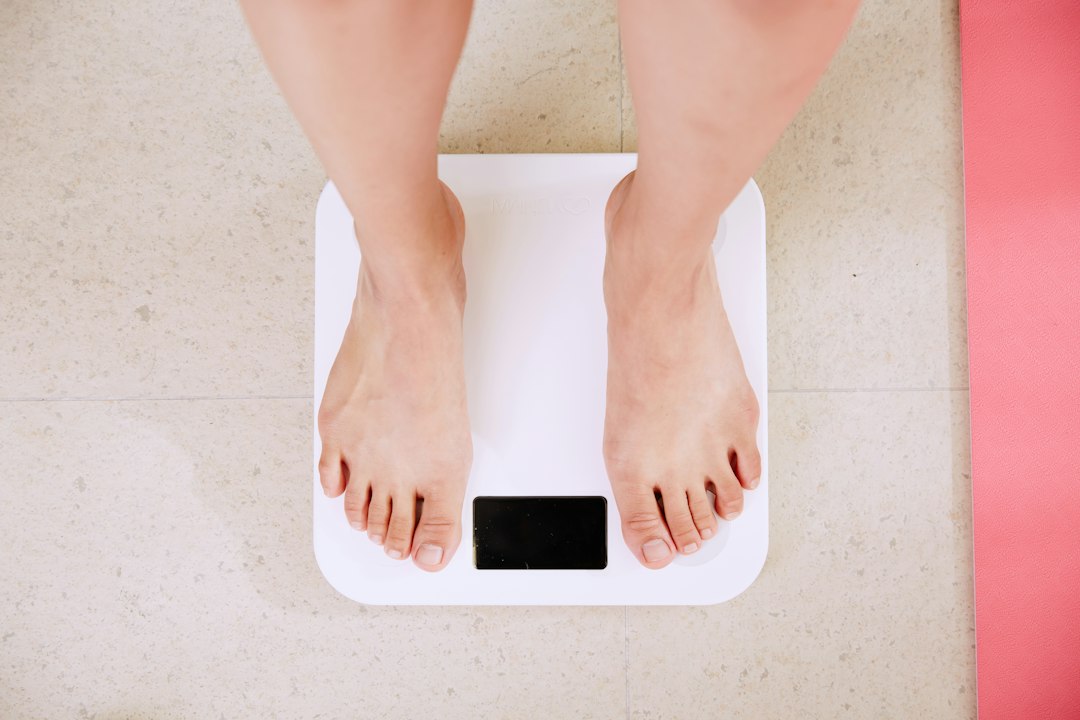
This is the fundamental limitation of using weight as your primary metric. A pound of muscle and a pound of fat weigh exactly the same. The scale has no way of telling you which one you just lost.
Neither does a tape measure. Neither does a mirror. Neither does a BMI calculation, which is why DEXA scans are replacing BMI as the standard for understanding what's actually happening inside your body.
The only way to know whether your weight loss is coming from fat, muscle, or both—in what proportions, from which regions of your body—is through a clinical-grade measurement tool that can distinguish between tissue types with precision.
That tool is a DEXA scan.
What a DEXA Scan Actually Measures
DEXA (dual-energy X-ray absorptiometry) is the gold standard for body composition analysis. It uses two low-dose X-ray beams at different energy levels to differentiate between lean mass, fat mass, and bone mineral density across every region of your body.
A single scan produces a complete picture: your total body fat percentage, your lean mass by region (arms, legs, trunk), your visceral adipose tissue score (the metabolically dangerous fat surrounding your organs), your bone mineral density, and your appendicular lean mass index—a key marker for early sarcopenia risk.
This is not the same as a bioelectrical impedance scale at your gym. It's not a handheld device at your doctor's office. It's the same technology used in clinical research and elite athletic programs, now accessible through a body composition analysis machine at Kalos locations across the Bay Area.
If you've been searching for where to get a DEXA scan near me, Kalos has three locations—San Francisco, Palo Alto, and San Jose (Pruneyard)—with 3,000+ scans completed and a 4.9-star rating across 500+ Google reviews.
The Pattern We See Most Often
At Kalos, we've run over 3,000 scans across the Bay Area. The story we see most frequently from people who've been aggressively cutting weight goes something like this:
They've lost 15 to 25 pounds. They feel lighter. But their body fat percentage has barely moved—or in some cases, it's actually increased. Why? Because the weight they lost was disproportionately muscle, not fat. Their ratio of fat to lean mass got worse, even as the scale improved.
This is sometimes called the "skinny fat" effect. It's one of the most common and least discussed outcomes of rapid weight loss. Bay Area professionals with normal BMI regularly discover alarming body composition results when they finally get scanned.
The fix isn't to stop losing weight. It's to lose the right kind of weight—and to measure what's actually happening so you can adjust in real time.
Why This Is Especially Relevant Right Now
GLP-1 medications like Ozempic, Wegovy, and tirzepatide have accelerated this problem significantly. These drugs suppress appetite effectively, often dramatically reducing caloric intake. But appetite suppression doesn't tell your body to prioritize fat over muscle.
Studies on GLP-1 users suggest that up to 67% of total weight lost can include lean mass when resistance training and adequate protein intake aren't part of the protocol. That's not a fringe finding—it's a well-documented pattern that's showing up in scan data consistently.
If you're on a GLP-1 medication and haven't had your body composition measured, you may be losing significant muscle without realizing it. Scan data from semaglutide users confirms this pattern at a scale that should change how clinicians are counseling patients.
And if you've recently stopped a GLP-1, what happens to your body fat next depends heavily on how much muscle you retained during the treatment period. Less muscle means faster fat regain. The data makes this outcome nearly inevitable without intervention.
This Isn't Just a GLP-1 Problem
Crash dieting before summer, extended fasting protocols, aggressive cutting phases before a trip or event—all of these create the same conditions for muscle loss. Crash dieting before summer destroys more muscle than fat for many people, and tracking muscle loss during extended fasting protocols reveals a more complicated picture than most people expect.
Even moderate caloric restriction, if sustained over months without adequate protein or strength training, will erode lean mass. This is especially true after 40, when the body's ability to synthesize new muscle protein naturally declines. Bay Area data on muscle loss after 40 confirms that many people who feel like they're doing everything right are quietly losing lean mass year over year.
The Kalos Approach: Measure First, Then Adjust
The fitness industry's default approach is top-down: pick a method—calorie restriction, keto, intermittent fasting—and hope it works for your body. Most people spend years cycling through approaches without ever knowing whether those approaches are actually producing the outcome they want at the tissue level.
Kalos works differently. We're not attached to any particular methodology. What we care about is whether the data shows you're losing fat, preserving muscle, and moving your composition in the direction you want. If the numbers confirm your approach is working, we continue. If they don't, we adjust. The data tells us what works for you—not for an average person in a clinical trial.
That process starts with a DEXA scan. You come in, get scanned, and receive a complete breakdown of your body composition: fat mass, lean mass by region, visceral fat score, bone density. One of our NASM-certified performance analysts—many with backgrounds from Harvard, Stanford, Meta, and Olympic-level athletics—walks you through what the numbers mean and what they suggest about your current approach.
Then, if you want to go further, our coaching memberships (available at 6-month, 1-year, and 2-year tiers) connect your behaviors—exercise, nutrition, sleep, recovery—to your outcomes, with monthly rescans to confirm the plan is working. All services are HSA/FSA eligible.
The scan is the starting point. The transformation is what happens after.
What the Numbers Tell You That Nothing Else Can
When people ask about body composition testing, they're usually asking because something isn't adding up. The scale is moving but they don't look different. Or they look different but their performance hasn't changed. Or they've been told their weight is healthy but they don't feel that way.
DEXA answers those questions with precision. Muscle versus scale weight matters more than most people realize after 40. What DEXA results show after 90 days often contradicts what people assumed was happening based on scale and mirror alone.
If you've been losing weight fast and you haven't confirmed that the weight you're losing is actually fat—not muscle—you're flying blind. The scale is the worst possible instrument for navigating body composition change. It tells you how much you weigh. It tells you nothing about what you're made of.
Get scanned. Find out what's actually happening. Then build a plan that protects what matters.
Kalos has locations in San Francisco, Palo Alto, and San Jose. Book your DEXA scan at livekalos.com.

Ready to measure what matters?
Book your DEXA scan today and stop guessing about your health.