How Bay Area Professionals Are Using DEXA Scans to Set Smarter Fitness Goals Before the New Year
Every January, gym memberships spike. Every March, most of those memberships go unused. The problem is rarely motivation. It is almost always the wrong starting point.
When you set a fitness goal without baseline body composition data, you are essentially navigating without a map. You pick a number off the internet, follow a program someone else swears by, and hope the results show up. Sometimes they do. More often, they do not, and you never find out why.
Bay Area professionals in 2026 are approaching this differently. They are starting with a DEXA scan, getting a precise picture of where they actually stand, and building goals from real numbers instead of guesswork.
Why "Lose Weight" Is Not a Goal
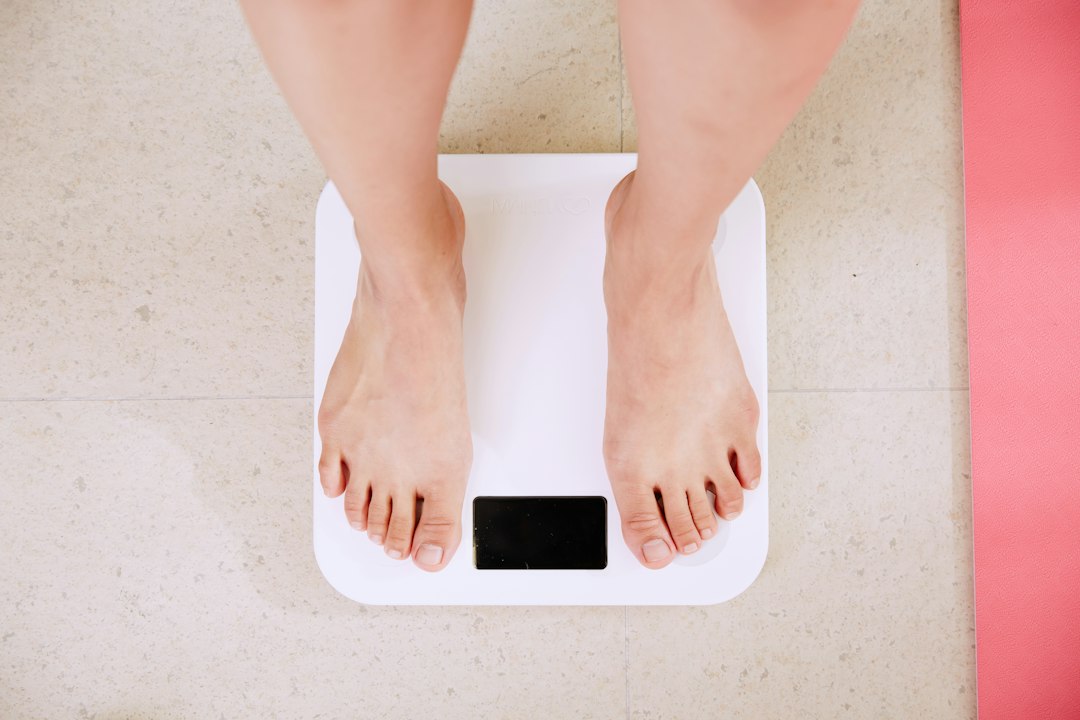
Weight is a single number that tells you almost nothing useful. A 10-pound drop on the scale could mean you lost fat. It could also mean you lost muscle, shed water, or some combination of all three. Those outcomes require completely different responses.
DEXA scanning gives you the breakdown:
- Body fat percentage, measured regionally so you can see exactly where fat is concentrated
- Lean muscle mass, broken out by limb and torso so you can spot asymmetries and weak points
- Visceral adipose tissue (VAT), the metabolically active fat surrounding your organs that is invisible on the scale and in the mirror
- Bone mineral density (BMD), a longevity metric most people never think about until it becomes a problem
Once you have those numbers, "lose weight" becomes something precise: reduce body fat from 24% to 18% while maintaining or adding lean mass. That is a goal you can actually build a plan around. Why your scale weight means nothing covers this in more detail if you want to go deeper on why body fat percentage is the more useful target.
The Problem With Starting From a Generic Plan
The fitness industry defaults to what Kalos calls a top-down approach: pick a methodology (keto, CrossFit, Pilates, 75 Hard) and hope it fits your biology. This is why there is so much noise and so many conflicting recommendations.
Kalos works from the bottom up. The method is secondary. The data tells you what is working for your body specifically, and you adjust from there.
That agnostic approach matters because two people can follow the same program and get completely different results. DEXA data collected monthly shows you exactly whether your current approach is moving the right numbers. If it is, you stay the course. If it is not, you pivot before you waste another three months on something that was never going to work for you.
This is the same logic that Bay Area tech workers apply to product decisions every day. You do not ship without telemetry. You do not keep a feature that the data says is not performing. Your body deserves the same rigor.
What Smarter Goals Actually Look Like
The most effective fitness goals are built around three dimensions that do not conflict at lower levels of optimization: aesthetics, longevity, and performance. Most people early in their journey find that improving in one area improves all three simultaneously.
Aesthetics goals worth tracking:
- Body fat percentage (where you are vs. where you want to be)
- Lean muscle mass by region (are you building symmetrically?)
- Waist-to-shoulder ratio and other structural proportions
Longevity goals worth tracking:
- Visceral fat score (high VAT is a risk factor even in people who look lean)
- Bone mineral density (especially relevant for anyone over 40)
- Appendicular lean mass index (ALMI), a key marker for long-term functional independence
Performance goals worth tracking:
- Resting metabolic rate, which tells you how many calories your body actually burns at baseline
- Strength benchmarks relative to your lean mass
- VO2 max as a cardiovascular capacity measure
If you are over 35, muscle mass tracking becomes especially important as a goal anchor. Why Bay Area professionals over 35 should track muscle mass explains why that number matters more than most people realize as they age.
How Kalos Helps You Move From Data to Direction
Kalos operates at locations in San Francisco, Palo Alto, and San Jose, and has completed more than 3,000 scans across the Bay Area. Every session begins with a clinical-grade DEXA scan, followed by an in-person analysis with a performance analyst, all of whom are NASM-certified and bring backgrounds ranging from elite athletics to data science.
The analysis is not just a readout of numbers. It is a conversation about what those numbers mean for your specific goals and how to connect your daily behaviors, what you eat, how you train, how you sleep, to the outcomes you are trying to move.
For members who want ongoing support, monthly scanning creates a feedback loop that most fitness approaches entirely lack. You know within 30 days whether your program is working. If it is not, you have the data to understand why and the coaching support to adjust.
All services at Kalos are HSA and FSA eligible, which makes it straightforward to use pre-tax dollars toward this kind of investment in your health.
If you have been relying on a wearable, a bathroom scale, or how your clothes fit to measure progress, you are working with incomplete information. Why DEXA scans beat BMI for understanding true health risk lays out exactly what you are missing.
The best time to set a goal grounded in real data is before you start. Book a scan at any Kalos Bay Area location and find out where you actually stand.

Ready to measure what matters?
Book your DEXA scan today and stop guessing about your health.