Why Muscle Balance Matters in Sports
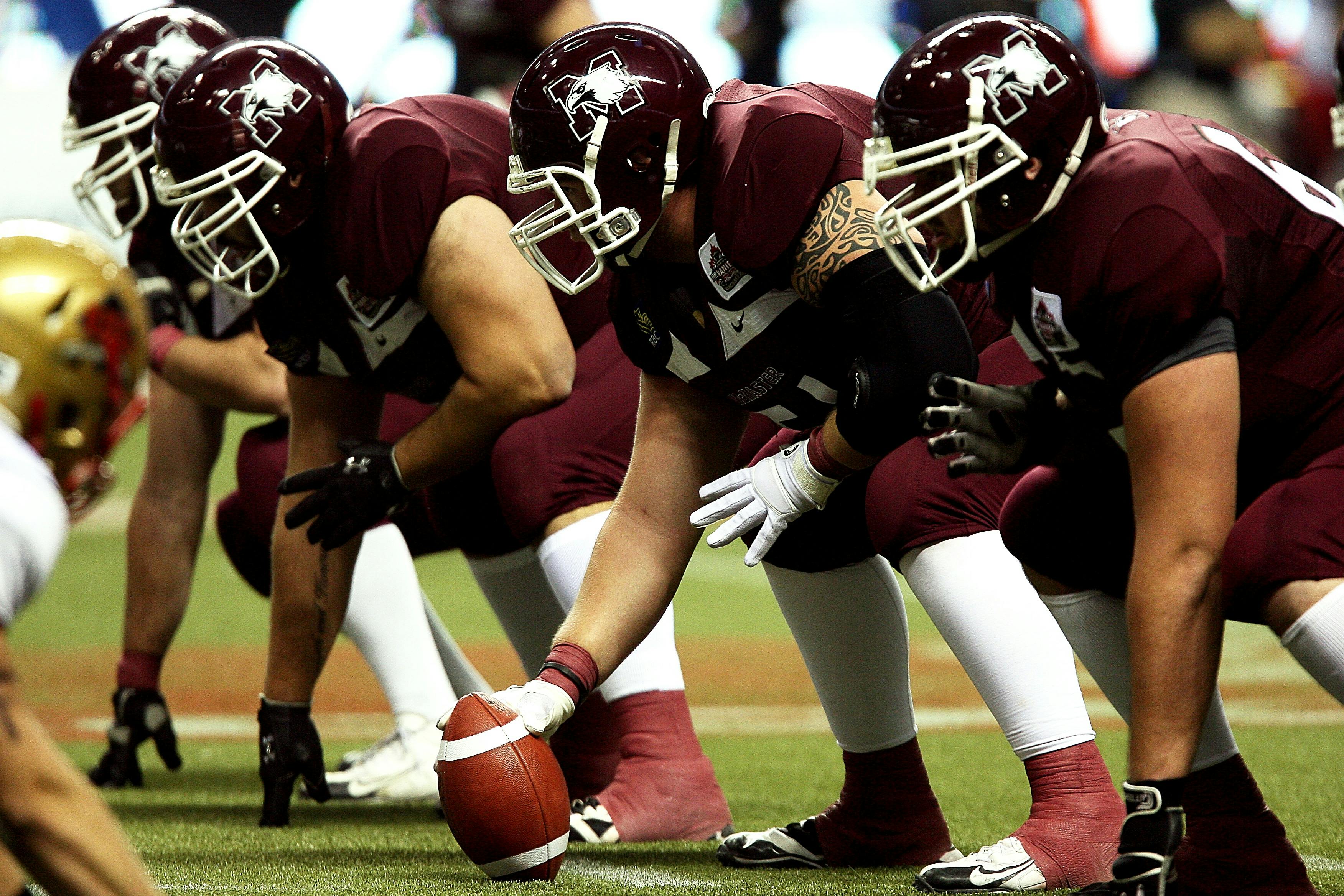
In sport, performance is often associated with strength, speed, and skill. However, one of the most overlooked factors that separates resilient athletes from injury prone ones is muscle balance.
Muscle balance refers to how evenly strength and muscle mass are distributed across the body. When imbalances exist, performance suffers and injury risk rises, even if overall fitness appears high.
At Kalos, we use DEXA Scan body composition data to identify muscle imbalances early, allowing athletes to correct them before they become limiting or dangerous.
What Is Muscle Balance?
Muscle balance describes how muscle mass and strength are distributed:
- Between left and right sides of the body
- Between opposing muscle groups
- Between upper and lower body
Perfect symmetry is not required, but significant imbalances reduce efficiency and increase stress on joints and connective tissue.
Why Muscle Imbalances Develop in Sports
Most sports are inherently asymmetrical.
Common causes of imbalance include:
- Repetitive movement patterns
- Dominant limb overuse
- One sided sport skills
- Previous injuries
- Poor recovery or compensation
- Neglecting unilateral training
Over time, the body adapts to these demands, often unevenly.
How Muscle Imbalance Affects Performance
Imbalanced muscles limit how force is produced and transferred.
This can result in:
- Reduced power output
- Slower acceleration
- Poor change of direction
- Decreased jump height
- Inefficient movement mechanics
Even small imbalances can cap performance potential at higher levels of play.
Why Muscle Imbalance Increases Injury Risk
The body follows the path of least resistance.
When one side or muscle group is weaker, other structures compensate. This leads to:
- Increased joint stress
- Tendon overload
- Poor landing mechanics
- Higher risk of strains and tears
Many non contact injuries are the result of long standing imbalances rather than acute trauma.
Common Muscle Imbalances in Athletes
Some of the most common patterns include:
- Left to right leg imbalance
- Dominant arm overload
- Strong quadriceps with weak hamstrings
- Strong hip flexors with weak glutes
- Upper body dominance with weak lower body
These patterns often go unnoticed without objective measurement.
Why Strength Alone Does Not Fix Imbalance
An athlete can be very strong and still imbalanced.
Bilateral lifts often mask asymmetries because the stronger side compensates. This allows imbalance to persist even as total strength increases.
This is why athletes may feel strong but continue to experience recurring injuries or performance plateaus.
How Muscle Balance Is Best Measured
Most assessments rely on movement screens or subjective observation.
A DEXA Scan provides clear data on:
- Lean muscle mass by limb
- Left to right differences
- Upper to lower body balance
- Changes in symmetry over time
This allows precise identification of imbalances rather than guessing.
How Correcting Imbalances Improves Performance
When muscle balance improves, athletes often experience:
- Better force transfer
- Increased power output
- Improved coordination
- Faster recovery
- Reduced injury risk
Balanced athletes move more efficiently and tolerate higher training loads.
Training Strategies to Improve Muscle Balance
Effective strategies include:
- Unilateral strength training
- Controlled tempo work
- Addressing weak ranges of motion
- Prioritising recovery for overloaded areas
- Avoiding excessive volume on dominant patterns
DEXA data helps ensure these interventions are working.
Why Tracking Balance Over Time Matters
Imbalances do not correct themselves automatically.
Without tracking:
- Small asymmetries grow larger
- Compensation patterns become ingrained
- Injury risk increases quietly
Regular body composition tracking allows early course correction.
The Bottom Line
Muscle balance matters because sport demands force production, absorption, and repetition. When the body is uneven, performance is limited and injuries become more likely.
Tracking muscle balance allows athletes to train smarter, not just harder. With DEXA Scan tracking at Kalos, you can identify imbalances early, correct them efficiently, and build a body that performs consistently and stays durable over time.
Book Your DEXA Scan with Kalos Today in Downtown San Francisco, San Jose or Palo Alto!
If you want to identify and correct muscle imbalances before they limit your performance or lead to injury, it is time to book your DEXA scan at Kalos. Whether your goal is to improve performance, reduce injury risk, or extend your athletic career, our advanced technology and expert guidance will help you train with precision and confidence.
Schedule your scan today at Kalos, your journey to data-driven fitness starts now.

Ready to measure what matters?
Book your DEXA scan today and stop guessing about your health.