What Is the Best Way to Measure Fat Loss Progress?

Fat loss is one of the most common health goals, yet it is also one of the most poorly measured. Many people feel frustrated, confused, or demotivated because the tools they rely on do not show what is really happening inside their body.
The result is unnecessary dieting, overtraining, and second guessing. At Kalos, we help clients measure fat loss accurately using DEXA Scan body composition data so progress is clear, objective, and motivating.
Here is the best way to measure fat loss progress and why most traditional methods fall short.
Why the Scale Is a Poor Fat Loss Tool
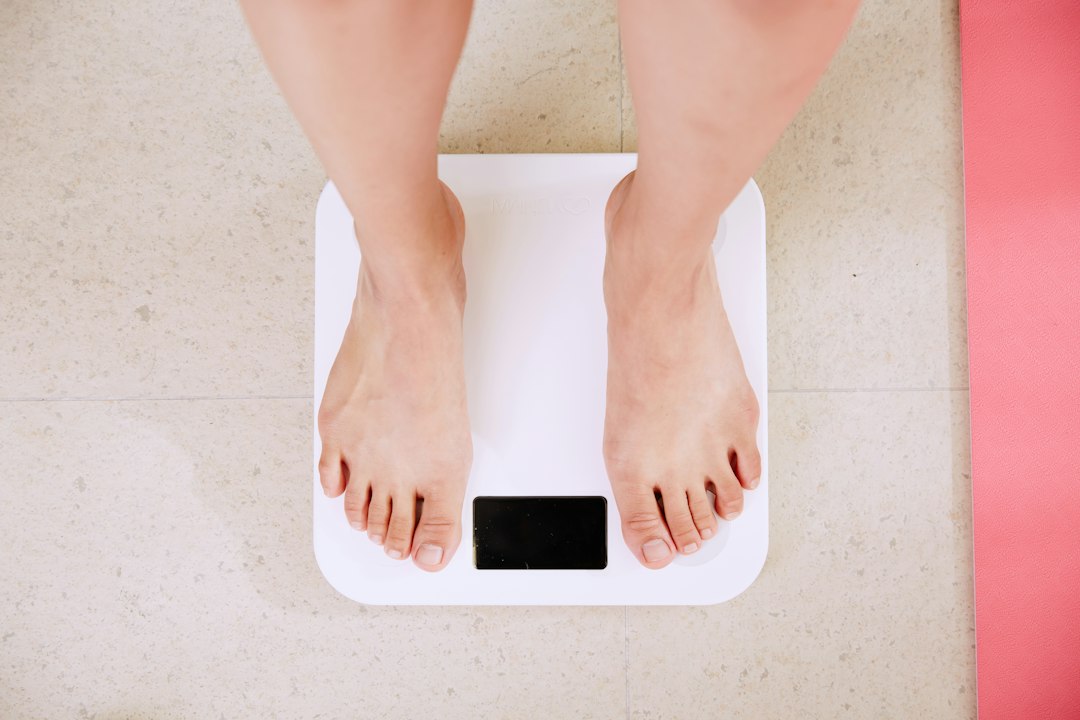
The scale measures total body weight only. It does not tell you what you are losing.
Weight changes can come from:
- Fat mass
- Lean muscle mass
- Water and glycogen
- Digestive contents
This means you can lose weight without losing fat, or lose fat without seeing the scale move at all.
For fat loss specifically, the scale is often misleading.
Why the Mirror and Photos Are Unreliable
Visual progress is subjective.
Appearance changes are affected by:
- Lighting
- Posture
- Hydration
- Stress
- Time of day
Fat loss often happens internally before it becomes visible. Many people quit early because they rely too heavily on how they look rather than what is actually changing.
Why Measurements and Smart Scales Are Inconsistent
Tape measurements and smart scales attempt to estimate fat loss but rely heavily on assumptions.
Common issues include:
- Sensitivity to hydration
- Inconsistent measurement points
- Large margins of error
- Inability to track visceral fat
They can be useful for trends, but they are not reliable on their own.
The Difference Between Weight Loss and Fat Loss
Weight loss refers to total body weight reduction.
Fat loss refers specifically to a reduction in fat mass.
You can lose weight while losing muscle and water, which often leads to worse long term results. True fat loss improves health, energy, and body composition even if scale weight changes slowly.
The only way to separate these outcomes is to measure body composition.
The Best Way to Measure Fat Loss: Body Composition
To measure fat loss accurately, you must measure fat directly.
A DEXA Scan provides:
- Total fat mass
- Body fat percentage
- Visceral fat levels
- Fat distribution across the body
- Lean muscle mass alongside fat changes
This allows you to confirm that weight loss is actually coming from fat and not muscle.
Why Visceral Fat Tracking Matters
Visceral fat is the most harmful type of fat and one of the strongest predictors of health risk.
You can:
- Lose weight
- Look leaner
- Fit into smaller clothes
And still have elevated visceral fat.
DEXA scans measure visceral fat directly, which most other methods cannot do.
How Often Should You Measure Fat Loss?
Fat loss is gradual and should be assessed over meaningful timeframes.
For most people:
- Body composition tracking every 4 to 8 weeks is ideal
This avoids reacting to daily fluctuations and focuses on real trends.
What Healthy Fat Loss Looks Like in Data
Sustainable fat loss typically shows:
- Fat mass decreasing steadily
- Lean muscle mass stable or increasing
- Visceral fat reducing
- Strength and energy maintained
These changes may not always show up on the scale immediately.
Common Mistake: Cutting Calories When Progress Is Already Happening
One of the most common mistakes is assuming fat loss has stalled when the scale stops moving.
DEXA scans often reveal:
- Fat loss still occurring
- Muscle being preserved
- Body composition improving
Unnecessary calorie cuts at this stage often lead to muscle loss and slower progress.
Why Athletes and Professionals Track Fat Loss Differently
Athletes rarely rely on scale weight.
They track:
- Body composition
- Performance metrics
- Recovery quality
- Long term trends
This approach leads to more consistent results and fewer setbacks.
The Bottom Line
The best way to measure fat loss progress is to measure fat directly. Weight, appearance, and estimations cannot reliably tell you whether your efforts are working.
With DEXA Scan tracking at Kalos, you can confirm that fat is being lost, muscle is being preserved, and health is improving. This clarity removes guesswork, prevents unnecessary restriction, and keeps progress sustainable.
Book Your DEXA Scan with Kalos Today in Downtown San Francisco, San Jose or Palo Alto!
If you want to measure fat loss accurately and stop relying on misleading tools, it is time to book your DEXA scan at Kalos. Whether your goal is to lose fat, preserve muscle, improve performance, or optimize longevity, our advanced technology and expert guidance will help you track progress with confidence.
Schedule your scan today at Kalos, your journey to data-driven fitness starts now.

Ready to measure what matters?
Book your DEXA scan today and stop guessing about your health.