What Is Progressive Overload and Why Is It Important?
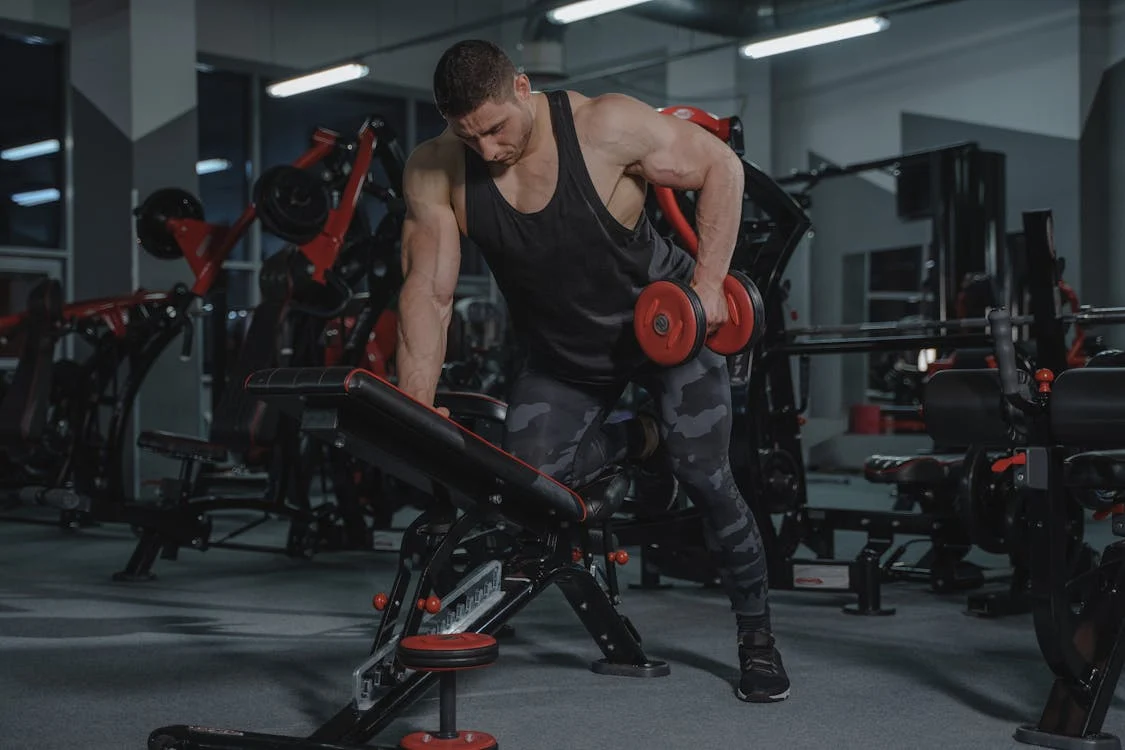
If you want to build muscle, get stronger, or improve your physique, one principle matters more than any exercise, rep scheme, or workout plan. That principle is progressive overload. Without it, your body has no reason to change. With it, your strength, muscle mass, and performance can improve consistently.
At Kalos, we track progressive overload alongside DEXA Scan data to ensure clients are building real lean mass and not just lifting heavier with poor form. When training and data work together, results become predictable and measurable.
Here is everything you need to know about progressive overload and why it matters.
What Is Progressive Overload?
Progressive overload means gradually increasing the stress placed on your muscles over time.
Your body adapts only when you challenge it with more than it is used to.
This can be done by increasing:
- Weight
- Reps
- Sets
- Training volume
- Time under tension
- Exercise difficulty
- Training frequency
Even small increases force your muscles to get stronger and grow.
Why Progressive Overload Is Essential
1. It Stimulates Muscle Growth
Muscles grow when they are exposed to more tension than before. Progressive overload creates this tension consistently.
2. It Builds Strength
Strength gains come from neuromuscular adaptations and increased muscle mass. Both require increasing training stimulus over time.
3. It Prevents Plateaus
Doing the same weight and reps every week will eventually stop producing results. Overload keeps your body progressing.
4. It Improves Fat Loss
The more muscle you build, the higher your metabolism becomes. This makes fat loss easier and more sustainable.
5. It Improves Muscle Symmetry and Balance
Tracking overload ensures both sides of the body progress evenly, something DEXA scans can measure accurately.
How to Apply Progressive Overload
There are multiple ways to progressively overload your muscles.
1. Increase Weight
Add small weight increments once you can perform reps with good form.
2. Increase Reps
If you cannot add weight, increase the number of reps you perform at the same weight.
3. Increase Sets
Add another set when your routine feels manageable.
4. Slow Down the Tempo
Increase time under tension by performing slower, controlled reps.
5. Improve Form
Better form increases the stimulus on the target muscle even without adding weight.
6. Reduce Rest Time
Shorter rest increases intensity and workload.
You do not need to increase everything at once. Small, consistent progress is the goal.
How Often Should You Aim to Progress?
Most people should aim to progress every 1 to 2 weeks depending on:
- Training age
- Exercise selection
- Recovery
- Sleep
- Nutrition
- Stress levels
Beginners often progress faster. Intermediate and advanced lifters progress more slowly but still progress when programmed correctly.
Mistakes People Make With Progressive Overload
- Adding weight too quickly
- Sacrificing form for heavier lifts
- Forgetting to track workouts
- Not eating enough protein
- Not resting enough
- Doing different workouts every week with no structure
Progressive overload requires consistency and tracking, not random training.
How DEXA Scans Show Whether Your Overload Is Working
A DEXA Scan provides objective proof that progressive overload is leading to muscle growth.
DEXA reveals:
- Lean mass increases
- Muscle growth in specific regions
- Symmetry improvements
- Fat mass changes
- Visceral fat reductions
If your lifts are going up but lean mass is not, you may be compensating with technique instead of stimulating true muscle growth. DEXA helps you catch this early and adjust.
Real World Example
A Kalos client focused on progressive overload by increasing reps and improving form rather than always adding weight. After 8 weeks, their DEXA scan showed:
- 3.1 lbs lean mass gained
- Better muscle symmetry
- Lower visceral fat
- Stronger performance in compound lifts
Consistent progressive overload created measurable results.
The Bottom Line
Progressive overload is the foundation of every successful strength and physique program. It ensures continuous improvement, prevents plateaus, and supports long term fat loss and muscle gain. When combined with accurate DEXA Scan tracking at Kalos, you can confirm that your training is producing real, measurable muscle growth.
Progress slowly, train consistently, and watch your body transform.
Book Your DEXA Scan with Kalos Today in Downtown San Francisco, San Jose or Palo Alto!
If you are ready to take control of your health with the most accurate body composition analysis available, it is time to book your DEXA scan at Kalos. Whether you are looking to get lean, build muscle, improve performance, or optimize longevity, our advanced technology and expert guidance will help you get there.
Schedule your scan today at Kalos, your journey to data-driven fitness starts now.

Ready to measure what matters?
Book your DEXA scan today and stop guessing about your health.