What Happens to Your Body When You Increase Protein Intake

Protein is one of the most important nutrients for maintaining and improving body composition. Many people increase their protein intake when they want to build muscle, lose fat, or improve overall health. But what actually happens in the body when protein intake increases?
Understanding how protein affects metabolism, muscle growth, and recovery can help you make smarter decisions about nutrition.
This article explains what happens to your body when you increase protein intake, and why tracking changes with a Dexa Scan helps determine how your body composition responds.
Increased Muscle Repair and Growth
Protein provides amino acids, which are the building blocks used to repair and rebuild muscle tissue.
When protein intake increases, especially alongside resistance training, the body can:
- Repair muscle fibers more efficiently
- Increase muscle protein synthesis
- Support lean muscle growth over time
Adequate protein intake allows the body to adapt to training and build stronger muscle tissue.
Improved Muscle Preservation During Fat Loss
During calorie deficits, the body may break down both fat and muscle tissue for energy.
Higher protein intake helps:
- Preserve lean muscle mass
- Reduce muscle breakdown
- Support fat loss while maintaining strength
This is particularly important when dieting, because preserving muscle helps maintain metabolic rate.
Higher Thermic Effect of Food
Protein has a higher thermic effect compared with carbohydrates and fats. This means the body uses more energy to digest and process protein.
As a result:
- More calories are burned during digestion
- Overall daily energy expenditure may increase slightly
While this effect is modest, it contributes to improved metabolic efficiency.
Increased Satiety and Appetite Control
Protein is highly satiating, meaning it helps people feel full after meals.
Higher protein intake can:
- Reduce hunger
- Lower overall calorie intake
- Improve adherence to nutrition plans
This is one reason high-protein diets are commonly recommended for fat loss.
Improved Recovery From Training
Athletes and active individuals often benefit from increased protein intake because it supports recovery.
Protein contributes to:
- Faster muscle repair after workouts
- Reduced muscle soreness
- Improved training adaptation
Better recovery allows for more consistent and effective training.
Potential Changes in Body Composition
When protein intake increases alongside strength training, body composition may change over time.
Common adaptations include:
- Increased lean muscle mass
- Reduced fat mass
- Improved metabolic health
However, these changes cannot always be detected using body weight alone.
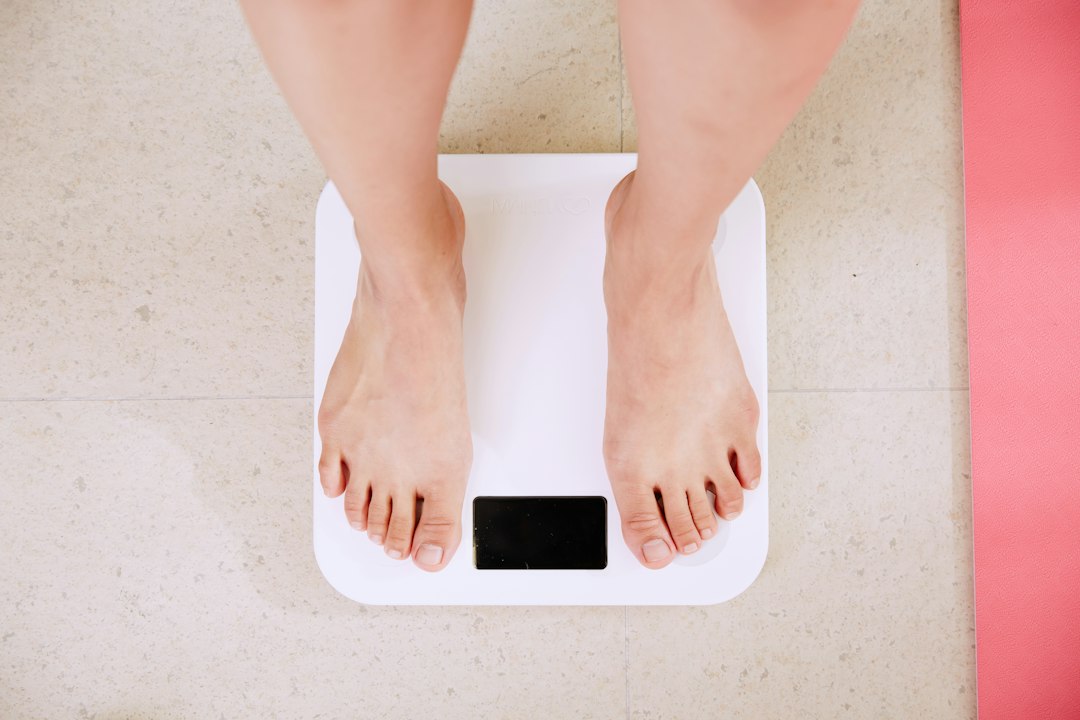
Why the Scale Does Not Show These Changes
Body weight does not reveal whether weight changes come from muscle or fat.
For example:
- Muscle gain may occur while fat decreases
- Weight may remain stable even though body composition improves
Without body composition measurement, these improvements can go unnoticed.
The Most Accurate Way to Track Body Composition Changes
A Dexa Scan provides detailed body composition analysis.
It measures:
- Lean muscle mass
- Total body fat percentage
- Visceral fat levels
- Regional muscle distribution
- Bone mineral density
This allows you to see how increased protein intake and training are affecting your body.
The scan itself takes about six minutes, making it efficient and easy to schedule.
How Often Should You Track Body Composition?
To monitor changes in muscle and fat:
- A Dexa Scan should be done monthly
- Every other month at minimum
- Never less frequent than that when actively changing diet or training
Frequent tracking helps identify whether nutritional changes are producing the desired results.
Full body composition Dexa scans are not covered by insurance, making them a proactive investment in long-term health and performance.
The Bottom Line
Increasing protein intake can support several important physiological changes, including:
- Improved muscle repair and growth
- Better preservation of lean mass during fat loss
- Increased satiety and appetite control
- Improved recovery from training
When combined with resistance training and proper nutrition, higher protein intake can significantly improve body composition.
Tracking these changes accurately helps ensure that dietary adjustments are producing measurable benefits.
Book Your DEXA Scan with Kalos Today in Downtown San Francisco, San Jose or Palo Alto!
If you want to see how increased protein intake is affecting your muscle mass and body composition, accurate measurement is essential. Kalos provides advanced Dexa Scan services to help you track muscle growth, fat loss, and long-term progress.
Schedule your scan today, your journey to data-driven fitness starts now.

Ready to measure what matters?
Book your DEXA scan today and stop guessing about your health.