The Best Way To Track Bone Hardening For Muay Thai Conditioning
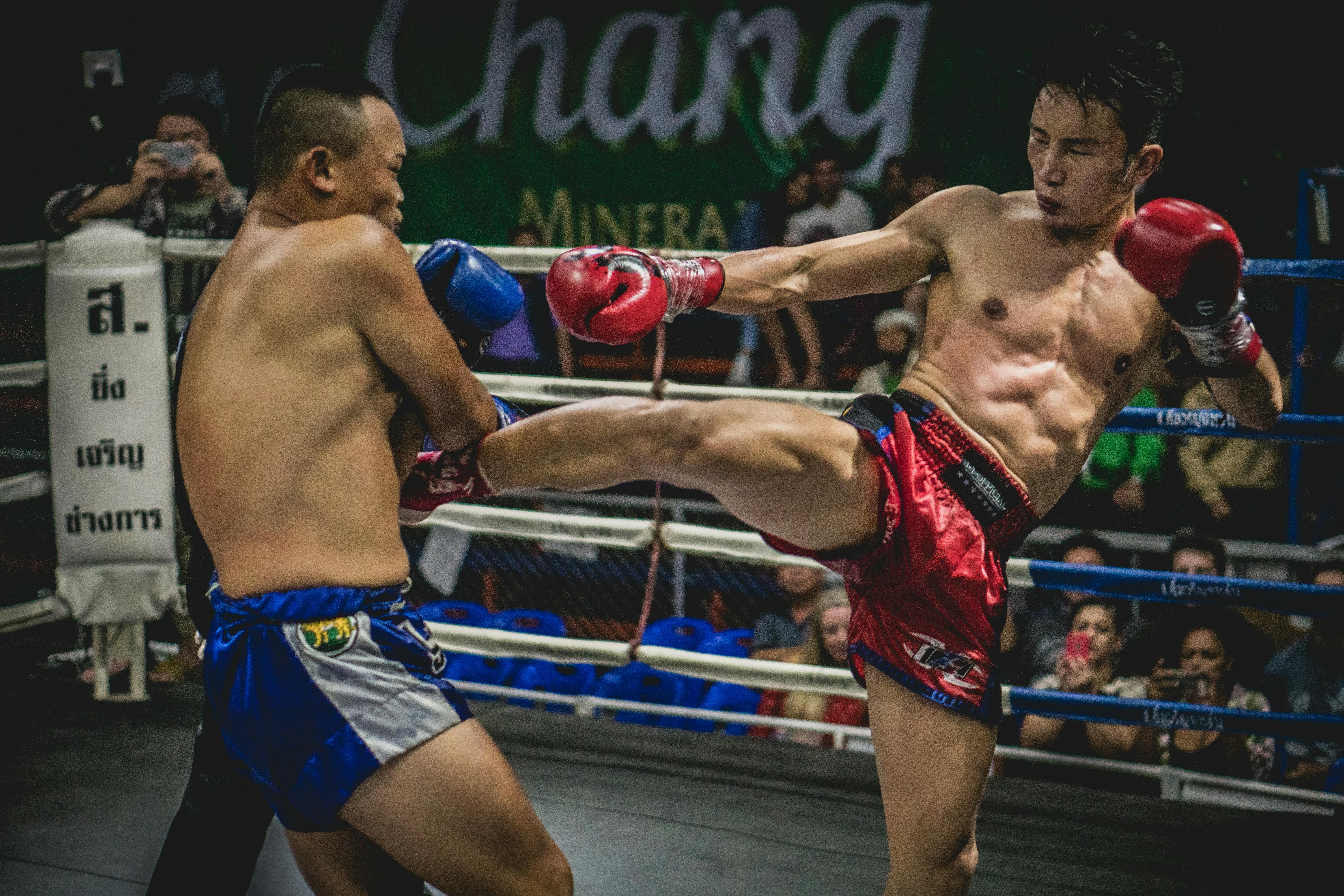
Muay Thai conditioning is often associated with toughness, repeated impact, and physical resilience. Shins, forearms, and joints adapt over time through controlled stress. This process is commonly referred to as bone hardening, but very few athletes actually track whether their bones are adapting safely and effectively.
At Kalos, we work with combat sport athletes who want to condition intelligently, not recklessly. Using DEXA Scan data, we help fighters understand whether their training is strengthening bone tissue or quietly increasing injury risk.
Here is the best way to track bone hardening for Muay Thai conditioning and why guessing is not enough.
What Bone Hardening Really Means
Bone hardening is not about deadening nerves or causing damage. It is about stimulating bone remodeling.
When bone is exposed to controlled mechanical stress, the body responds by:
- Increasing bone mineral density
- Strengthening bone structure
- Improving load tolerance
- Enhancing impact resilience
This process follows the same principle as muscle growth, stress followed by recovery and adaptation.
Why Bone Density Matters in Muay Thai
Strong bones are critical for Muay Thai athletes.
Higher bone density supports:
- Shin conditioning for kicks and checks
- Forearm conditioning for blocks
- Reduced fracture risk
- Better force transfer
- Long term joint health
Without sufficient bone density, repeated impact increases the risk of stress fractures and chronic injury.
The Problem With Traditional Conditioning Methods
Many fighters rely on feel based conditioning.
Common approaches include:
- Kicking heavy bags repeatedly
- Shin rolling
- Checking kicks without progression
- Conditioning through pain tolerance
The issue is that pain tolerance does not equal bone adaptation. You can feel tougher while bone density remains unchanged or even declines due to under recovery or poor nutrition.
Why You Cannot Track Bone Hardening by Feel
Bone adaptation happens internally and slowly.
You cannot reliably detect:
- Changes in bone mineral density
- Early bone stress
- Whether conditioning is productive or excessive
Pain reduction often reflects nerve adaptation, not stronger bone.
This is where objective measurement becomes essential.
The Best Way to Track Bone Hardening: Bone Density Testing
A DEXA Scan is one of the most reliable ways to measure bone mineral density.
DEXA allows you to:
- Measure bone density accurately
- Track changes over time
- Identify asymmetries between limbs
- Detect early bone loss or stress risk
This gives fighters clarity on whether conditioning is actually strengthening their skeletal system.
Why Tracking Bone Density Is Especially Important for Fighters
Muay Thai places repeated impact stress on specific areas of the body.
DEXA scans help fighters:
- Ensure bones are adapting to impact
- Avoid over conditioning one side
- Balance training load between limbs
- Identify recovery issues early
- Reduce long term injury risk
This turns conditioning into a structured process instead of blind repetition.
How Often Should Fighters Track Bone Density?
Bone adapts more slowly than muscle.
For most Muay Thai athletes:
- Bone density tracking every 2 to 3 months is sufficient
- Shorter intervals rarely show meaningful changes
- Longer gaps increase injury risk
Tracking over time allows you to confirm adaptation without over scanning.
Training Factors That Support Bone Hardening
Bone density improves when training is supported properly.
Key factors include:
- Progressive impact exposure
- Adequate recovery between sessions
- Strength training alongside conditioning
- Sufficient calorie intake
- Adequate protein and micronutrients
- Quality sleep
DEXA data often shows poor bone adaptation in fighters who train hard but under eat or under recover.
Warning Signs That Conditioning May Be Too Aggressive
DEXA scans often reveal issues before symptoms appear.
Red flags include:
- No improvement in bone density
- Declining bone density
- Asymmetries between limbs
- Recurrent bone soreness
These signs suggest a need to adjust training load or recovery before injury occurs.
The Bottom Line
Bone hardening for Muay Thai is about adaptation, not damage. Without objective measurement, it is impossible to know whether conditioning is strengthening bone or increasing injury risk.
The best way to track bone hardening is through DEXA Scan bone density testing. With accurate data, fighters can condition intelligently, protect their bodies, and build durability that lasts across years of training.
Book Your DEXA Scan with Kalos Today in Downtown San Francisco, San Jose or Palo Alto!
If you train Muay Thai and want to condition safely while protecting your long term health, it is time to book your DEXA scan at Kalos. Whether your goal is to improve durability, reduce injury risk, or support longevity in combat sports, our advanced technology and expert guidance will help you train smarter with confidence.
Schedule your scan today at Kalos, your journey to data-driven fitness starts now.

Ready to measure what matters?
Book your DEXA scan today and stop guessing about your health.