Testosterone Replacement Therapy and Fat Gain: What Scans Show

Testosterone replacement therapy has become one of the most discussed interventions in men's health over the last decade. Clinics have multiplied. Prescriptions have surged. And the promise is straightforward: restore declining testosterone levels, rebuild muscle, reduce fat, reclaim energy. But here's what most men on TRT never actually verify—whether any of that is happening in their body composition at all.
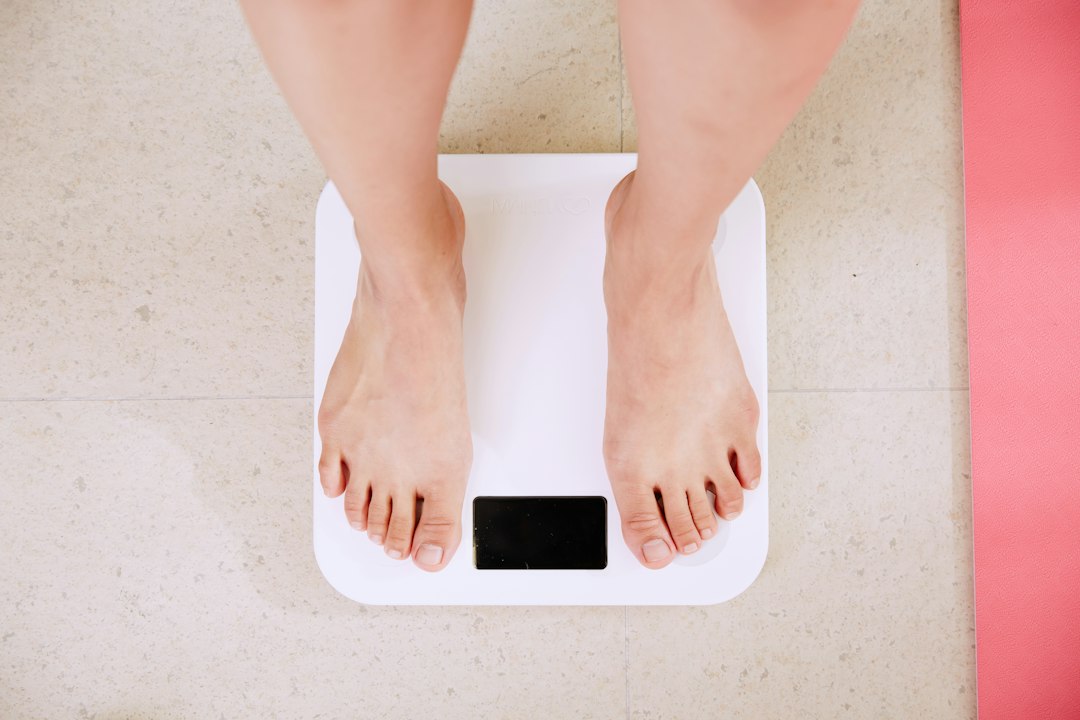
Because weight can stay flat, or even drop slightly, while fat quietly accumulates and muscle quietly disappears. The scale can't tell you which direction your body is actually moving. And that gap between what TRT is supposed to do and what it's actually doing in your body is exactly what DEXA scanning closes.
Why Men Start TRT in the First Place
By the mid-30s, testosterone levels begin a gradual natural decline—roughly 1–2% per year. By 45 or 50, many men experience the downstream effects: fatigue that doesn't resolve with sleep, reduced gym progress despite consistent effort, creeping fat gain around the midsection, and lower libido. Blood panels confirm low T. A TRT prescription follows.
This is a legitimate clinical path. What's less legitimate is assuming the prescription is working without measuring its effects on what actually matters: lean mass, fat mass, and visceral adipose tissue (VAT). Lab numbers tell you your testosterone is in range. They don't tell you what your body is doing with it.
What TRT Is Supposed to Do to Body Composition
The research on testosterone and body composition is reasonably clear. Adequate testosterone levels support muscle protein synthesis, reduce fat accumulation—particularly visceral fat—and improve the hormonal environment for body recomposition. When testosterone is genuinely low and is restored to optimal levels, men typically see measurable shifts: lean mass increases, fat mass decreases, VAT scores improve.
But "typically" is doing a lot of work in that sentence. Individual response varies substantially based on starting body composition, dosing protocol, training consistency, nutrition, sleep quality, and a dozen other factors. TRT is not a passive intervention that works regardless of behavior. It changes the hormonal environment. What you do inside that environment still determines outcomes.
And critically—without measuring body composition directly, you have no idea what's actually happening.
The Scenarios DEXA Scans Reveal
At Kalos, we've completed over 3,000 scans across Bay Area clients, many of whom are men in their 40s and 50s tracking their response to TRT, lifestyle changes, or both. What the data shows isn't always what clients expect.
Scenario 1: TRT is working exactly as intended. Lean mass is up, fat mass is down, VAT has declined. The hormonal restoration is translating into real body composition improvement. This is the outcome men hope for—and it does happen, particularly when TRT is paired with structured resistance training and adequate protein intake.
Scenario 2: Weight is stable but composition is shifting negatively. This is the scenario that surprises most men. The scale reads the same as six months ago. But the DEXA scan shows a different picture: lean mass has declined while fat mass has increased. This can happen when TRT normalizes energy enough to feel better without actually changing behavior enough to drive recomposition. The hormonal support is there. The training and nutrition stimulus isn't.
Scenario 3: Some fat loss, but muscle isn't building. Men in a caloric deficit who start TRT sometimes lose weight—and some fat—but fail to build lean mass because their protein intake and resistance training volume are insufficient. TRT lowers the barrier to muscle building, but it doesn't eliminate the need for the stimulus. Without a scan, this partial success can feel like full success.
Scenario 4: Visceral fat isn't moving. VAT is a particularly stubborn fat depot that responds more to sustained caloric balance and exercise than to hormonal shifts alone. Men sometimes see improvements in subcutaneous fat while their VAT score stays elevated. This matters enormously for long-term cardiometabolic risk—and it's invisible without imaging.
Why VAT Matters More Than Total Fat on TRT
Visceral adipose tissue—the fat that surrounds internal organs—is the fat that drives metabolic dysfunction, inflammation, and cardiovascular risk. Low testosterone is associated with higher VAT accumulation. TRT, when working optimally, should help reduce it. But VAT doesn't respond uniformly, and its reduction requires a combination of hormonal environment, caloric management, and training consistency.
A DEXA scan gives you a precise VAT score, measured in grams. This isn't a rough estimate based on waist circumference or BMI. It's a clinical measurement of what's actually present. Tracking this number over the course of TRT is one of the most clinically meaningful things a man in his 40s or 50s can do for his long-term health. As we've written about elsewhere, the visceral fat score on your DEXA scan results tells a story your blood panel doesn't.
How Often Should You Scan on TRT?
This is one of the most common questions we get: how often should you get a DEXA scan when you're actively managing a TRT protocol?
The answer depends on what phase you're in. For men who are newly starting TRT, we recommend a baseline scan before or immediately after beginning treatment, followed by a follow-up scan at 60–90 days. This first interval gives you enough time for the hormonal environment to stabilize and for early body composition changes to become measurable—without waiting so long that you've been on a suboptimal protocol for months without knowing it.
After that initial confirmation, monthly scans are ideal for men in active coaching relationships, where the data directly informs programming and nutrition adjustments. Quarterly scans work for men who are more stable and primarily want to confirm that their current approach is maintaining or improving their results over time.
The key principle: you're not scanning to get a number. You're scanning to create a feedback loop. As we explain in our piece on retesting after 60 days, the power of DEXA isn't any single scan—it's the comparison between scans that tells you whether your plan is working.
How Much Does a DEXA Scan Cost—and Is It Worth It on TRT?
One of the most searched questions in this space is how much does a DEXA scan cost. Prices vary considerably by provider. Budget scanning services price their scans as a commodity—around $39–$79—with an automated report and no follow-up interpretation. Clinical settings may charge several hundred dollars. Kalos prices scans accessibly because the scan is the entry point, not the core product.
More importantly: for men managing a TRT protocol that costs hundreds of dollars per month in medication, clinic fees, and monitoring labs, the cost of a DEXA scan is negligible compared to the value of knowing whether that intervention is actually producing results in your body composition. You wouldn't spend $500/month on any other intervention without measuring outcomes. TRT should be no different.
All Kalos scans are HSA/FSA eligible, which for most Bay Area professionals meaningfully reduces the effective out-of-pocket cost.
Where to Get a DEXA Scan Near You in the Bay Area
If you're asking where to get a DEXA scan near me in the Bay Area, Kalos has three locations: San Francisco, Palo Alto, and San Jose (Pruneyard). Every scan includes a detailed in-person analysis with a NASM-certified performance analyst—not an automated report emailed to you without context.
That in-person analysis is where the data becomes actionable. Your analyst walks you through what the scan shows across the metrics that matter for TRT response: lean mass by region, fat mass by region, VAT score, and bone mineral density (BMD). If you're on TRT and your lean mass in your lower body hasn't moved while your upper body has improved, that's a programming signal. If your VAT score is still elevated despite weight loss, that's a nutrition and training signal. The scan surfaces the signal. The analysis tells you what to do with it.
TRT Without Measurement Is Just Guesswork
Here's the honest framing: TRT can be a genuinely effective tool for men whose testosterone levels are clinically low and whose quality of life and body composition are suffering as a result. The research supports its use when properly managed. But "properly managed" has to include measuring the thing you're trying to change.
The fitness and health industry has a description problem and a prescription problem. You can track testosterone levels in your blood all you want—that's the wrong data for understanding body composition outcomes. DEXA gives you the right data. And Kalos connects that data to a personalized coaching response that tells you exactly what to adjust.
Men who come to Kalos on TRT aren't just looking for confirmation that their labs are in range. They're looking to know whether their body is actually changing—whether the lean mass is building, whether the visceral fat is declining, whether the investment they're making in their health is paying off in the tissue that matters.
That's the difference between measuring hormones and measuring outcomes. And it's the difference between hoping TRT is working and knowing whether it is.
If you're managing testosterone therapy and want to track its real effects on your body composition, or if you're earlier in your health journey and recognizing that the scale isn't giving you enough information, the place to start is a baseline scan. It takes about 10 minutes. The picture it gives you lasts for months of smarter decisions.
Kalos locations in San Francisco, Palo Alto, and San Jose are available for booking. All scans include in-person analysis. All are HSA/FSA eligible. The first scan is the beginning of a data-driven feedback loop—not a one-time test.

Ready to measure what matters?
Book your DEXA scan today and stop guessing about your health.