Skin Fold Calipers vs DEXA Scans
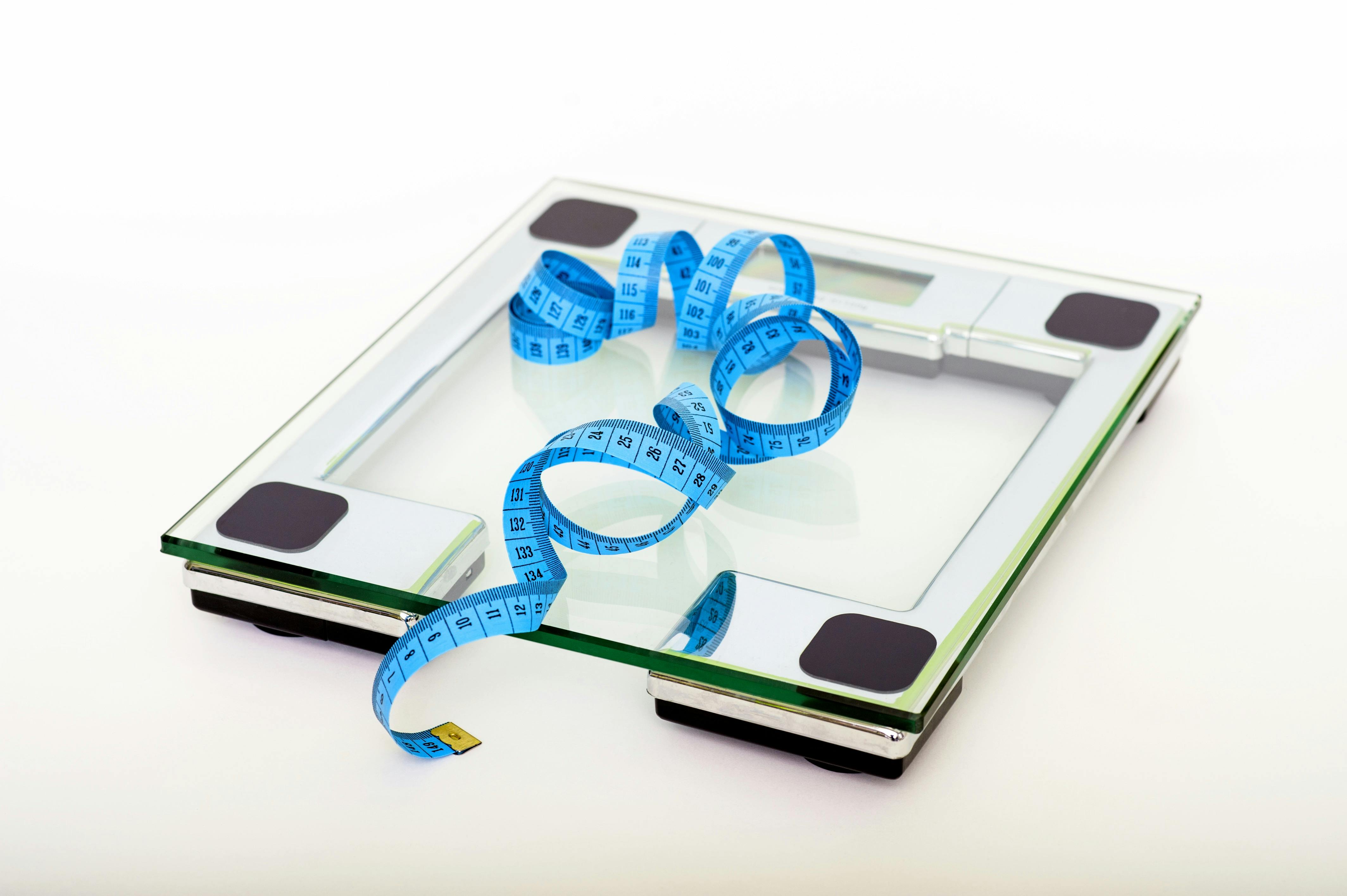
If you have ever tried to measure body fat, there is a good chance skin fold calipers were involved at some point. They are cheap, widely used, and have been around for decades. At the same time, DEXA Scan technology has become the modern gold standard for body composition analysis.
While both methods aim to estimate body fat, they are not equal in accuracy, reliability, or usefulness for tracking real health progress.
At Kalos, we regularly see people misled by caliper results. Here is a clear comparison of skin fold calipers versus DEXA scans, and which one actually gives you data you can trust.
What Skin Fold Calipers Measure
skin fold calipers estimate body fat by pinching the skin at several sites on the body. The thickness of these skinfolds is then plugged into a formula to estimate total body fat percentage.
skin fold calipers attempt to measure:
- Subcutaneous fat under the skin
- Fat at a few specific body sites
- Estimated total body fat using population averages
They do not measure fat directly. They estimate it based on assumptions.
Limitations of Skin Fold Calipers
While calipers can be useful in controlled research settings, they have major drawbacks for individuals.
Key limitations include:
- High dependence on the skill of the person measuring
- Large variability between testers
- Inaccurate for very lean or overweight individuals
- Assumes fat is evenly distributed
- Cannot measure visceral fat
- Poor repeatability for long term tracking
Small errors in pinching technique can lead to large errors in estimated body fat percentage.
What a DEXA Scan Measures
A DEXA Scan directly measures body composition using low dose X ray technology. It does not rely on assumptions or formulas based on population averages.
DEXA measures:
- Total body fat percentage
- Fat mass
- Lean muscle mass
- Visceral fat
- Fat distribution across the body
- Bone mineral density
- Muscle balance and symmetry
This creates a complete internal picture rather than an external estimate.
Accuracy Comparison
Skin Fold Calipers
Accuracy varies widely depending on the tester. Results can be off by several percentage points, especially when body fat is higher or fat distribution is uneven.
Calipers also struggle to detect small changes over time, making progress tracking unreliable.
DEXA Scans
DEXA scans are highly precise and repeatable. When performed under consistent conditions, they can detect small changes in fat and muscle mass over time.
This makes DEXA far more reliable for tracking real progress.
Visceral Fat: The Biggest Difference
One of the most important differences is visceral fat.
skin fold calipers:
- Cannot measure visceral fat
- Cannot assess internal health risk
- Miss one of the strongest predictors of disease
DEXA scans:
- Measure visceral fat directly
- Track changes over time
- Identify hidden metabolic risk even in lean individuals
This alone makes DEXA vastly more valuable for health focused tracking.
Muscle Mass Tracking
skin fold calipers focus only on fat estimation. They provide no insight into muscle mass.
DEXA scans allow you to:
- Measure total lean muscle mass
- Track muscle gain or loss
- Identify muscle imbalances
- Protect muscle during fat loss phases
For anyone training, dieting, or aging, this information is critical.
Repeatability and Progress Tracking
Good tracking depends on consistency.
skin fold calipers:
- Results vary based on who measures you
- Sensitive to hydration and skin compression
- Difficult to compare results over time
DEXA scans:
- Highly repeatable
- Consistent across scans
- Ideal for long term trend analysis
This makes DEXA far superior for monitoring changes month to month.
When skin fold calipers Might Be Useful
skin fold calipers may still have limited use if:
- The same experienced tester measures you every time
- You only want a rough estimate
- Visceral fat and muscle tracking are not priorities
Even then, results should be interpreted cautiously.
When DEXA Scans Are the Better Choice
DEXA scans are the better option if you want to:
- Measure body fat accurately
- Track muscle mass changes
- Monitor visceral fat
- Improve metabolic health
- Prevent muscle loss during dieting
- Understand long term health risk
For most people, DEXA provides clarity that calipers cannot.
The Bottom Line
skin fold calipers estimate body fat based on external measurements and assumptions. A DEXA Scan measures body composition directly, including fat, muscle, visceral fat, and bone density.
If your goal is accurate tracking, meaningful health insight, and long term progress, DEXA scans provide far more reliable and actionable data than skin fold calipers ever can.
Book Your DEXA Scan with Kalos Today in Downtown San Francisco, San Jose or Palo Alto!
If you want a clear, accurate understanding of your body composition without guesswork, it is time to book your DEXA scan at Kalos. Whether you are looking to get lean, build muscle, improve performance, or optimize longevity, our advanced technology and expert guidance will help you move forward with confidence.
Schedule your scan today at Kalos, your journey to data-driven fitness starts now.

Ready to measure what matters?
Book your DEXA scan today and stop guessing about your health.