How to Measure Body Fat Accurately
Knowing your body fat percentage can be incredibly useful for improving health, fitness, and performance. The problem is that most people are measuring it inaccurately. Bathroom scales, handheld devices, and visual guesses often provide misleading numbers that change from day to day.
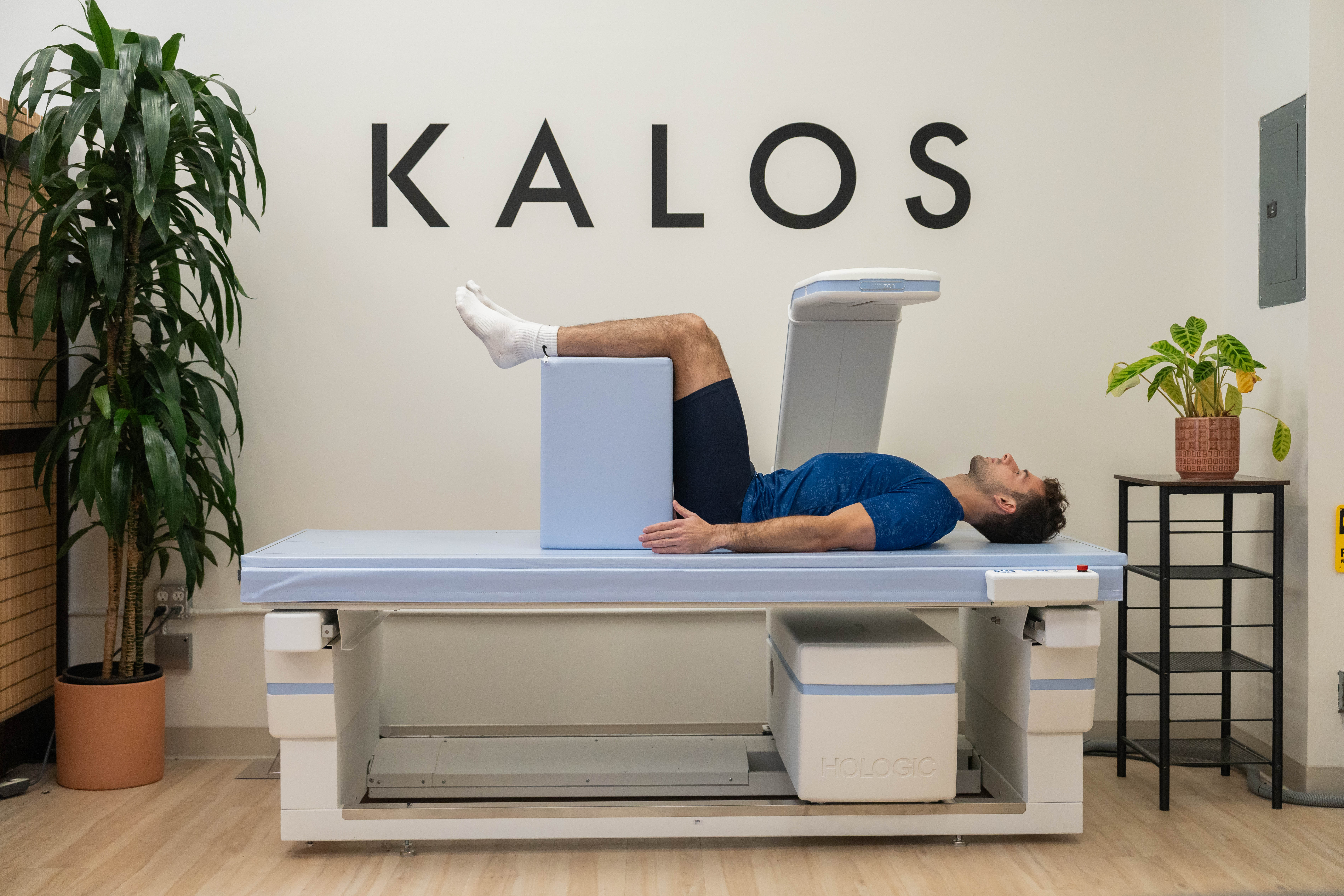
At Kalos, we help clients measure body fat accurately using DEXA Scan technology. This allows you to track real fat loss, identify health risks, and understand how your body is changing internally, not just what the scale says.
Here is a clear breakdown of the most common body fat measurement methods and which ones you can actually trust.
Why Accurate Body Fat Measurement Matters
Accurate body fat data helps you:
- Track true fat loss instead of weight loss
- Understand metabolic health
- Identify visceral fat risks
- Preserve muscle during dieting
- Set realistic fitness goals
- Avoid plateaus caused by muscle loss
Without accurate measurement, it is easy to think you are making progress when you are not, or worse, to make changes that harm long term health.
Common Body Fat Measurement Methods Ranked
1. DEXA Scan (Most Accurate)
A DEXA Scan is widely considered the gold standard for body composition analysis outside of medical research settings.
DEXA measures:
- Total body fat percentage
- Fat mass
- Lean muscle mass
- Visceral fat
- Fat distribution
- Bone density
Why it is accurate:
- High precision and repeatability
- Not affected by hydration or food intake
- Measures where fat is stored, not just how much
- Tracks changes over time reliably
This makes DEXA the best option for both health and fitness tracking.
2. Hydrostatic Weighing
This method involves being submerged in water to estimate body density.
Pros:
- Historically accurate
- Based on solid scientific principles
Cons:
- Inconvenient and uncomfortable
- Sensitive to breathing technique
- Not practical for frequent tracking
- Does not measure fat distribution or visceral fat
Accurate, but outdated and impractical for most people.
3. Bod Pod (Air Displacement Plethysmography)
The Bod Pod estimates body fat using air displacement.
Pros:
- Quick and non invasive
- More accurate than scales
Cons:
- Sensitive to clothing, hair, and hydration
- Less precise than DEXA
- No insight into visceral fat or regional distribution
Useful, but not ideal for detailed tracking.
4. Bioelectrical Impedance Scales (Bathroom Scales)
These are the most common devices people use at home.
Pros:
- Easy and accessible
- Useful for rough trends only
Cons:
- Highly affected by hydration, food, and time of day
- Large daily fluctuations
- Often inaccurate by several percentage points
- Cannot measure visceral fat accurately
These should never be used as a primary measurement tool.
5. Skinfold Calipers
This method estimates body fat by measuring skinfold thickness.
Pros:
- Low cost
- Portable
Cons:
- Highly dependent on the skill of the person measuring
- Inaccurate for very lean or overweight individuals
- Does not measure visceral fat
- Inconsistent between testers
Acceptable for population studies, unreliable for individuals.
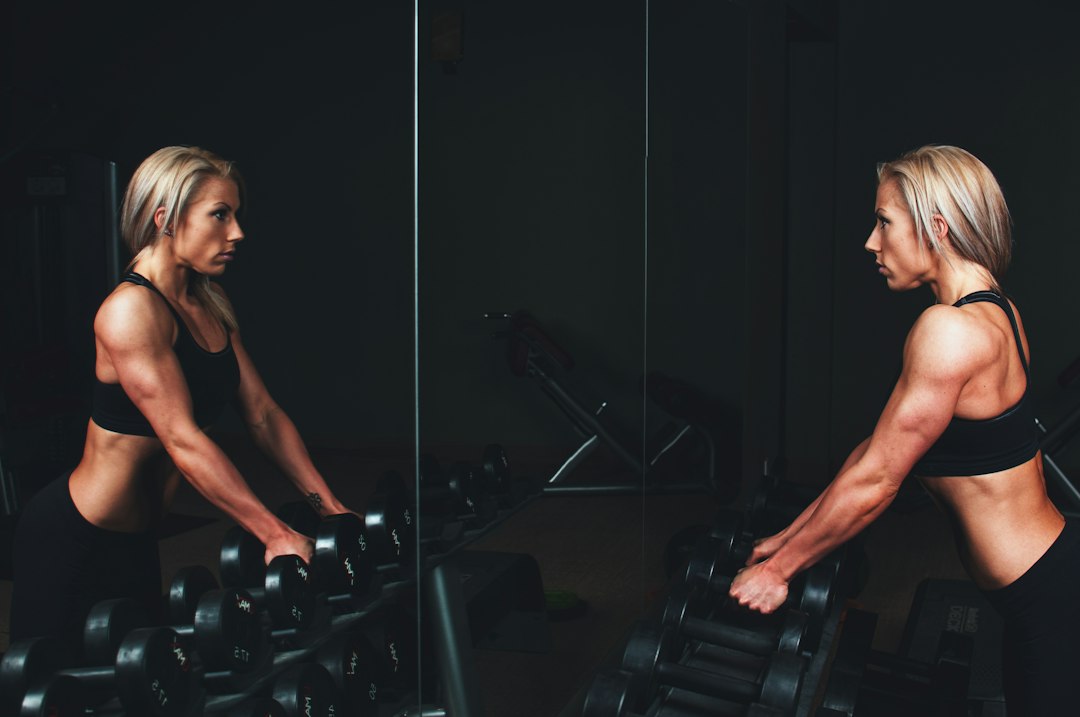
6. Visual Estimates and Mirrors (Least Accurate)
Judging body fat by appearance alone is highly unreliable.
Lighting, pump, posture, and clothing all distort perception.
Visual changes also lag behind internal changes, especially visceral fat reduction.
Why Visceral Fat Must Be Measured Separately
Visceral fat surrounds internal organs and poses the highest health risk.
You cannot see it or pinch it.
Many people with normal weight or low visible fat still have elevated visceral fat levels.
A DEXA Scan is one of the few tools that can accurately measure visceral fat and track changes over time.
Why Consistency Matters in Measurement
Accuracy is not just about the method. It is about consistency.
Using the same method repeatedly allows you to:
- Track trends instead of noise
- Catch early signs of muscle loss
- Confirm whether fat loss is coming from the right places
- Adjust training and nutrition with confidence
DEXA is highly repeatable, which makes it ideal for long term tracking.
How Often Should You Measure Body Fat?
For most people:
- Every 4 to 8 weeks is ideal
This time frame is long enough to see meaningful changes while avoiding over interpretation of short term fluctuations.
The Bottom Line
If you want to measure body fat accurately, you need a method that is precise, repeatable, and capable of measuring fat distribution and visceral fat. Most common tools fall short.
A DEXA Scan provides the clearest, most reliable picture of your body composition and allows you to track real progress over time. When you stop guessing and start measuring properly, results become predictable and sustainable.
Book Your DEXA Scan with Kalos Today in Downtown San Francisco, San Jose or Palo Alto!
If you are ready to take control of your health with the most accurate body composition analysis available, it is time to book your DEXA scan at Kalos. Whether you are looking to get lean, build muscle, improve performance, or optimize longevity, our advanced technology and expert guidance will help you get there.
Schedule your scan today at Kalos, your journey to data-driven fitness starts now.

Ready to measure what matters?
Book your DEXA scan today and stop guessing about your health.