How Hydration Affects Athletic Performance and Recovery
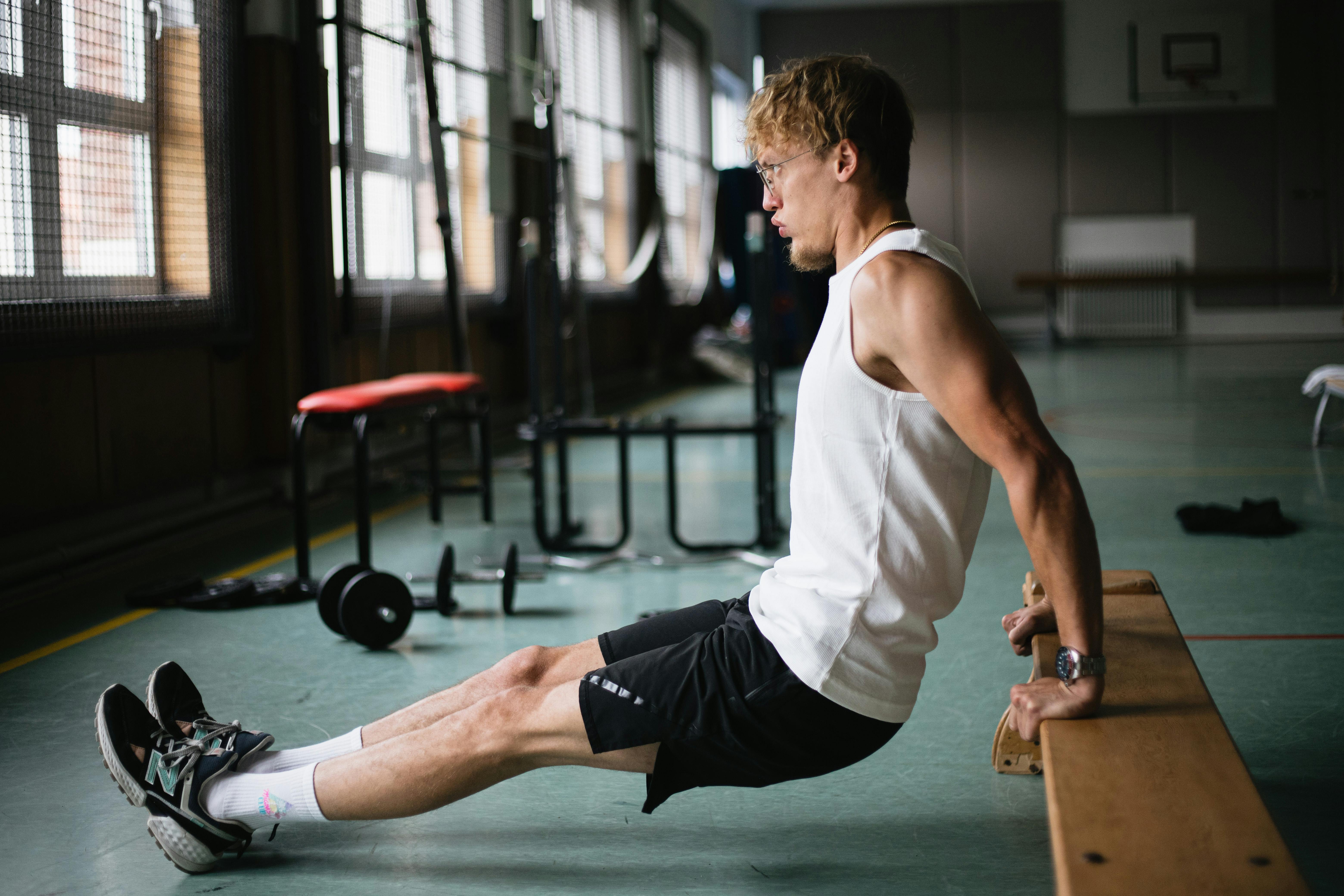
Hydration is one of the most overlooked factors in athletic performance. Many athletes focus on training intensity, nutrition, and recovery protocols, but even mild dehydration can significantly reduce strength, endurance, and mental focus.
Understanding how hydration affects the body helps athletes train more effectively, recover faster, and maintain consistent performance.
This article explains how hydration affects athletic performance and recovery, and why monitoring body composition with a Dexa Scan can help track changes in lean mass and body water balance.
Why Hydration Matters for Athletes
Water plays a central role in nearly every physiological process involved in performance.
Proper hydration supports:
- Muscle contraction
- Nutrient delivery to muscles
- Temperature regulation
- Joint lubrication
- Waste removal after exercise
Even small fluid losses can impair physical and cognitive performance.
How Dehydration Impacts Performance
Reduced Strength and Power
Muscle function relies on adequate fluid balance. Dehydration can impair muscle contraction and reduce strength output during training or competition.
Athletes may experience:
- Lower power production
- Faster fatigue during strength work
- Decreased sprint or explosive ability
Decreased Endurance
Hydration helps regulate body temperature during exercise.
When fluid levels drop:
- Core temperature rises more quickly
- Heart rate increases
- Perceived exertion becomes higher
This can reduce endurance and make workouts feel more difficult.
Slower Reaction Time and Focus
Hydration also affects the brain.
Dehydration can lead to:
- Reduced concentration
- Slower reaction times
- Poor decision making during competition
These effects can impact sports that require quick thinking and coordination.
Hydration and Recovery
Hydration plays an important role in post-exercise recovery.
Proper fluid balance helps with:
- Transporting nutrients needed for muscle repair
- Removing metabolic waste products
- Restoring electrolyte balance
- Supporting glycogen replenishment
Athletes who rehydrate effectively often recover faster between training sessions.
Hydration and Muscle Function
Muscle tissue contains a high percentage of water. When hydration is inadequate, muscle function can decline.
Adequate hydration helps maintain:
- Muscle elasticity
- Efficient contraction
- Reduced cramping risk
- Optimal strength output
Maintaining fluid balance supports both performance and injury prevention.
Hydration and Body Composition Measurements
Hydration status can influence body composition readings.
For example:
- Bioelectrical impedance scales can fluctuate significantly depending on hydration levels
- Temporary water changes can mask real progress
A Dexa Scan provides a more consistent and detailed analysis of body composition compared with many common measurement methods.
A Dexa Scan measures:
- Total body fat percentage
- Lean muscle mass
- Regional body composition
- Visceral fat levels
- Bone mineral density
The scan itself takes about six minutes, making it efficient for regular tracking.
How Often Should Athletes Track Body Composition?
For athletes managing performance and recovery:
- A Dexa Scan should be done monthly
- Every other month at minimum
- Never less frequent than that during active training cycles
Frequent tracking allows athletes to monitor lean mass, fat levels, and structural health while adjusting hydration, nutrition, and training.
Full body composition Dexa scans are not covered by insurance, making them a proactive investment in athletic performance.
Practical Hydration Strategies for Athletes
To maintain optimal hydration:
- Drink fluids consistently throughout the day rather than only around workouts
- Monitor urine color as a simple hydration indicator
- Replace electrolytes after intense or long-duration exercise
- Increase fluid intake in hot or humid environments
Hydration needs vary based on body size, training intensity, and climate conditions.
The Bottom Line
Hydration affects nearly every aspect of athletic performance and recovery.
Proper fluid balance supports:
- Strength and power output
- Endurance capacity
- Reaction time and focus
- Muscle recovery and repair
When hydration is managed alongside training, nutrition, and body composition tracking, athletes can perform more consistently and recover more effectively.
Book Your DEXA Scan with Kalos Today in Downtown San Francisco, San Jose or Palo Alto!
If you want to understand how your body composition supports your athletic performance and recovery, accurate measurement is essential. Kalos provides advanced Dexa Scan services to help you track lean muscle, fat mass, and structural health with precision.
Schedule your scan today, your journey to data-driven fitness starts now.

Ready to measure what matters?
Book your DEXA scan today and stop guessing about your health.