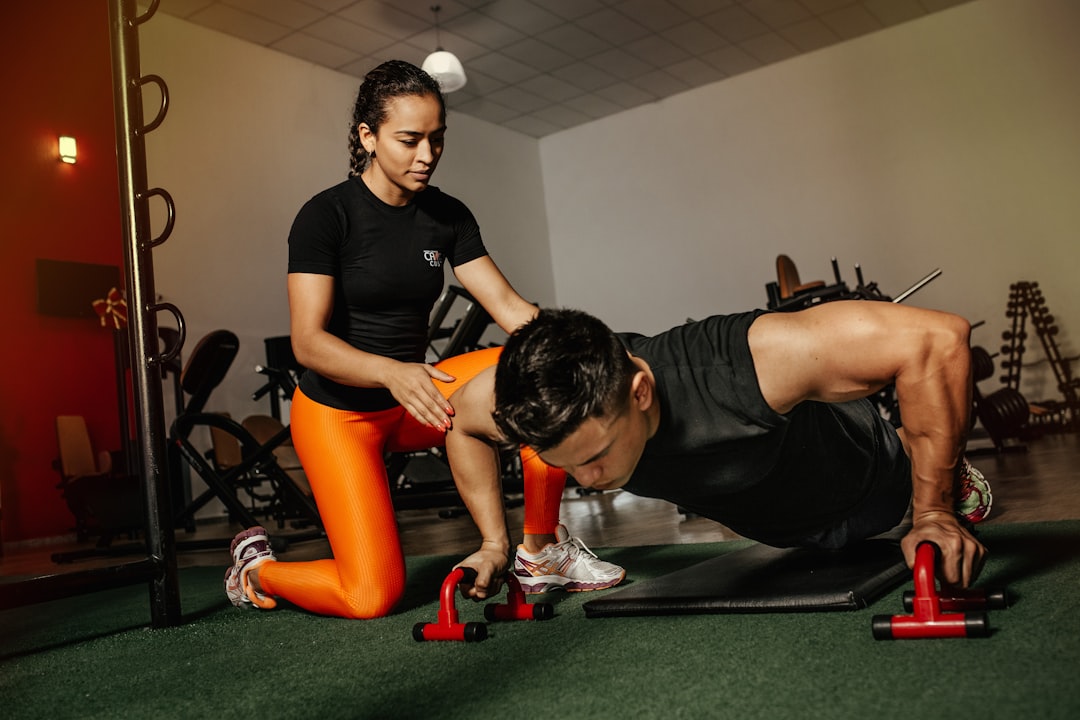
How Athletes Train for Power and Explosive Movements

Power is the ability to generate force quickly. It is what separates good athletes from great ones. Sprinting faster, jumping higher, striking harder, and changing direction explosively all depend on power, not just strength or endurance alone.
Many athletes train hard but fail to become more explosive because their training does not target the systems that actually produce power. At Kalos, we use DEXA Scan data alongside performance metrics to ensure athletes build the muscle, structure, and body composition required for explosive performance.
Here is how athletes train for power and explosive movement effectively and sustainably.
What Power Really Means in Sport
Power is not just about lifting heavy weights.
It is defined by:
- Force production
- Speed of force application
- Coordination between muscles
- Nervous system efficiency
An athlete may be strong but slow, or fast but weak. True power combines both qualities.
Why Muscle Mass Is the Foundation of Power
Explosive force starts with muscle.
Lean muscle mass contributes to:
- Higher force output
- Better force absorption
- Improved sprinting and jumping
- Greater striking power
- Reduced injury risk
Without adequate muscle mass, power potential is limited regardless of technique.
A DEXA Scan helps confirm whether training is building or preserving the muscle needed for explosive output.
Strength Training Builds the Base for Power
Athletes first build strength before converting it into power.
Effective strength training for power includes:
- Compound lifts such as squats, deadlifts, presses, and pulls
- Moderate to heavy loads
- Low to moderate rep ranges
- Long rest periods for quality output
Strength increases the ceiling for how much force can be produced.
Converting Strength Into Explosive Power
Once strength is established, athletes focus on speed.
Power focused training includes:
- Olympic lift variations
- Jump training and plyometrics
- Medicine ball throws
- Sprint work
- Dynamic effort lifts
The goal is to move force quickly, not grind through slow repetitions.
Why Power Training Requires Full Recovery
Explosive training stresses the nervous system heavily.
Without proper recovery, athletes experience:
- Reduced power output
- Slower reaction times
- Increased injury risk
- Poor training quality
Power sessions require full effort, which means fewer reps and more rest.
The Role of Body Composition in Explosive Performance
Power improves when body composition is optimised.
Athletes perform best when:
- Lean muscle mass is sufficient
- Unnecessary fat mass is reduced
- Visceral fat remains low
- Bone density supports force transfer
DEXA scans allow athletes to track whether changes in body composition are supporting or limiting power development.
Why Losing Muscle Reduces Explosiveness
Aggressive dieting or excessive conditioning often reduces power.
Muscle loss leads to:
- Lower force output
- Reduced sprint speed
- Poor jump height
- Slower recovery
DEXA scans frequently reveal muscle loss in athletes whose endurance improves but explosiveness declines.
How Athletes Structure Power Training Weeks
Power training is strategically placed.
A balanced structure often includes:
- 2 to 3 strength or power focused sessions
- Low volume, high quality explosive work
- Separation between heavy and high speed days
- Adequate recovery days
Quality always outweighs quantity.
Bone Density and Explosive Movement
Explosive movements place high stress on bones.
Strong bones improve:
- Force transfer
- Impact tolerance
- Long term durability
DEXA scans help athletes ensure bone density is adapting alongside muscular power, reducing injury risk.
Tracking Power Progress Beyond the Gym
Athletes measure power through multiple indicators.
These include:
- Sprint times
- Jump height
- Bar speed
- Sport specific performance
- Body composition trends
Tracking power alongside DEXA data ensures physical changes support real world performance.
The Bottom Line
Athletes train for power by building muscle, developing strength, converting it into speed, and recovering properly. Explosive performance cannot be rushed and cannot exist without the right physical foundation.
With DEXA Scan tracking at Kalos, athletes can confirm that training is building the muscle, bone strength, and body composition required for true explosive performance. This clarity helps transform effort into measurable, sustainable results.
Book Your DEXA Scan with Kalos Today in Downtown San Francisco, San Jose or Palo Alto!
If you want to improve power, speed, and explosiveness while protecting your long term performance, it is time to book your DEXA scan at Kalos. Whether your goal is to jump higher, sprint faster, strike harder, or train for longevity, our advanced technology and expert guidance will help you train smarter with confidence.
Schedule your scan today at Kalos, your journey to data-driven fitness starts now.

Ready to measure what matters?
Book your DEXA scan today and stop guessing about your health.