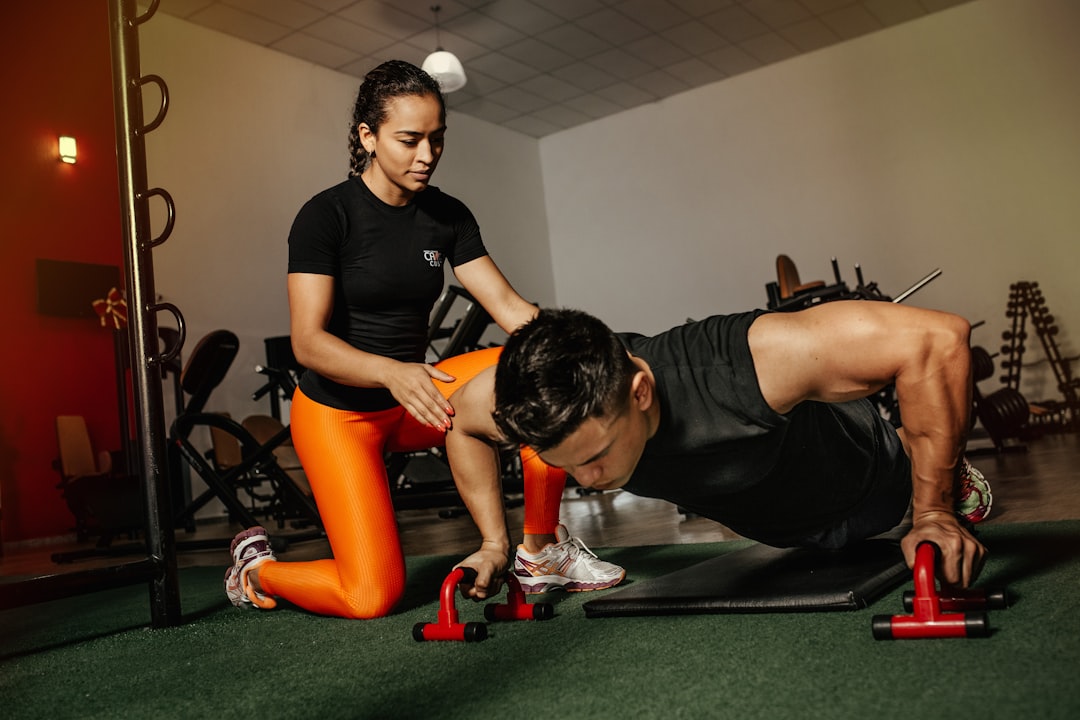
How Athletes Can Improve Performance by Optimizing Body Composition

Athletic performance is often viewed through the lens of training volume, skill, and mindset. While these factors matter, one of the most powerful and overlooked performance levers is body composition, the balance between muscle, fat, and bone.
Two athletes can train equally hard and perform very differently based purely on how their body is structured. At Kalos, we use DEXA Scan data to help athletes understand how optimizing body composition improves speed, strength, endurance, recovery, and long term durability.
Here is how athletes can improve performance by focusing on what their body is made of, not just what it can do in a single session.
What Body Composition Means for Athletes
Body composition describes how much of your body is made up of:
- Lean muscle mass
- Fat mass
- Visceral fat
- Bone density
For athletes, performance is driven less by body weight and more by how these components are distributed and maintained over time.
Why Body Weight Alone Is a Poor Performance Metric
Scale weight does not reflect performance capacity.
Problems with using weight include:
- Muscle gain can mask fat loss
- Weight loss can hide muscle loss
- Daily fluctuations distort trends
- Weight does not predict power or endurance
Athletes perform better when strength to weight ratio and durability improve, not when weight simply decreases.
Lean Muscle Mass Drives Athletic Output
Lean muscle mass is one of the strongest predictors of performance.
More functional muscle supports:
- Higher power output
- Better force absorption
- Faster sprinting and acceleration
- Improved endurance economy
- Greater injury resistance
A DEXA Scan allows athletes to confirm that training is actually building or preserving the muscle required for their sport.
Why Losing Muscle Hurts Performance
Muscle loss often happens quietly during heavy training blocks or aggressive dieting.
Consequences include:
- Reduced strength
- Slower sprint times
- Poor recovery
- Increased injury risk
- Lower training tolerance
DEXA scans frequently reveal muscle loss in athletes who believe they are getting fitter because conditioning is improving.
Fat Mass and Performance Efficiency
Fat mass affects performance differently depending on the sport.
Optimizing fat mass can:
- Improve power to weight ratio
- Reduce unnecessary load
- Improve movement efficiency
- Enhance endurance performance
However, excessive fat loss often leads to muscle loss, which ultimately reduces performance.
The goal is optimal fat levels, not minimal fat levels.
Visceral Fat and Recovery Capacity
Visceral fat plays a major role in recovery and metabolic health.
Elevated visceral fat is associated with:
- Increased inflammation
- Poor insulin sensitivity
- Slower recovery
- Reduced training consistency
Athletes with lower visceral fat tend to recover faster and tolerate higher training loads.
DEXA scans measure visceral fat directly, which most performance tests cannot do.
Bone Density Supports Durability
Strong bones are essential for long term athletic performance.
Higher bone density contributes to:
- Better force transfer
- Lower fracture risk
- Improved joint resilience
- Greater training longevity
DEXA scans allow athletes to track bone density and ensure training is supporting skeletal health.
How Optimizing Body Composition Improves Key Performance Metrics
Optimized body composition leads to:
- Improved strength to weight ratio
- Better endurance efficiency
- Faster recovery between sessions
- More consistent training output
- Reduced injury risk
These improvements compound over time and separate high level athletes from those who plateau.
How Athletes Should Track Body Composition
Athletes should track body composition consistently, not reactively.
A practical approach includes:
- Training metrics tracked weekly
- Performance benchmarks monitored over cycles
- Body composition measured every 4 to 8 weeks with DEXA
This allows early intervention before performance declines.
Common Mistakes Athletes Make
- Chasing weight loss instead of composition
- Undereating during heavy training blocks
- Ignoring muscle loss when endurance improves
- Overtraining without adequate recovery
- Measuring success by appearance alone
DEXA data often exposes these issues before they show up in performance.
The Bottom Line
Athletic performance is not just about how hard you train. It is about whether your body is built to support the demands of your sport.
Optimizing body composition improves strength, speed, endurance, recovery, and durability. Without measuring it, athletes are often guessing.
With DEXA Scan tracking at Kalos, athletes can ensure that training is building the right engine, preserving muscle, reducing unnecessary fat, and supporting long term performance.
Book Your DEXA Scan with Kalos Today in Downtown San Francisco, San Jose or Palo Alto!
If you want to improve performance by understanding how your body composition supports your sport, it is time to book your DEXA scan at Kalos. Whether your goal is to compete at a higher level, improve efficiency, reduce injury risk, or optimize longevity, our advanced technology and expert guidance will help you train and perform with clarity.
Schedule your scan today at Kalos, your journey to data-driven fitness starts now.

Ready to measure what matters?
Book your DEXA scan today and stop guessing about your health.