Homemade Protein Bars Are Lying About Your Muscle Gains
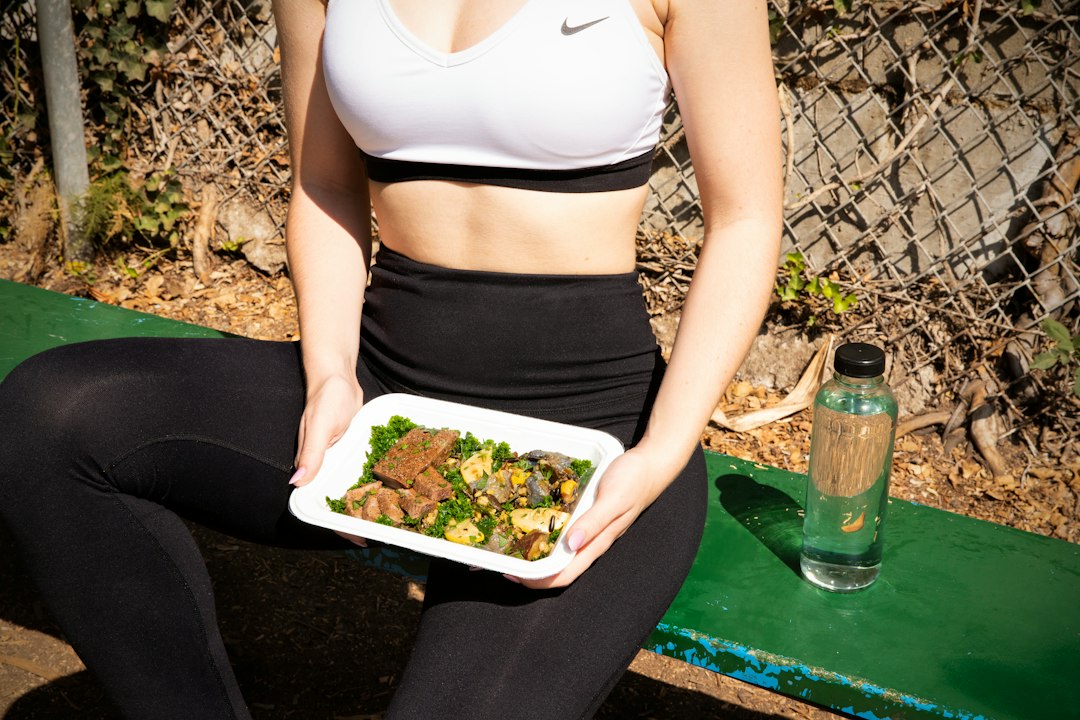
You've been making your own protein bars for months. Almond butter, oats, a scoop of whey, a drizzle of honey, maybe some dark chocolate chips for good measure. You eat two a day, pat yourself on the back for "eating clean," and assume the extra protein is quietly building muscle in the background. Then you step on the scale, or worse, catch a side profile in the mirror, and the math doesn't add up.
Here's the uncomfortable question nobody asks before they Google "do protein bars help build muscle": does eating more protein automatically mean more muscle? The honest answer is no. Protein is necessary, but it's not sufficient, and the bar itself might be working against you.
**The quantity problem hiding inside your recipe**
At Kalos, we break nutrition down into four tiers, ranked by how much they actually move the needle. Quantity — total calories and macros — is responsible for roughly 80% of your results. Quality (ingredient type, fiber, processing level) is a distant 16%. Timing is 3%. Everything else, supplements included, rounds out to about 1%.
Homemade protein bars live almost entirely in the "quality" and "timing" buckets in people's minds. You feel good because the ingredients sound clean. But the quantity math is usually a mess. Almond butter alone can run 190–200 calories per two tablespoons, and most homemade recipes eyeball it rather than weigh it. Add a date or two, a drizzle of honey, and an untracked "scoop" of protein powder, and a bar that looks like 220 calories on paper is frequently closer to 350–400 in reality. Multiply that by two bars a day, five days a week, and you've added a calorie surplus large enough to explain fat gain — while the protein bump you were counting on for muscle never had the training stimulus or recovery behind it to matter.
This is the description problem in miniature. You have data — "I eat protein bars, I should be building muscle" — but it's the wrong data. Without weighing ingredients, tracking total daily protein against your actual intake, and verifying body composition change, you're guessing. For more on why protein intake alone rarely tells the full story, we've broken this down in Protein Targets Mean Nothing Without Measuring Actual Muscle Gains and in Hitting Protein Targets Still Won't Fix This Aging Problem.
**Why "high protein" isn't the same as "muscle building"**
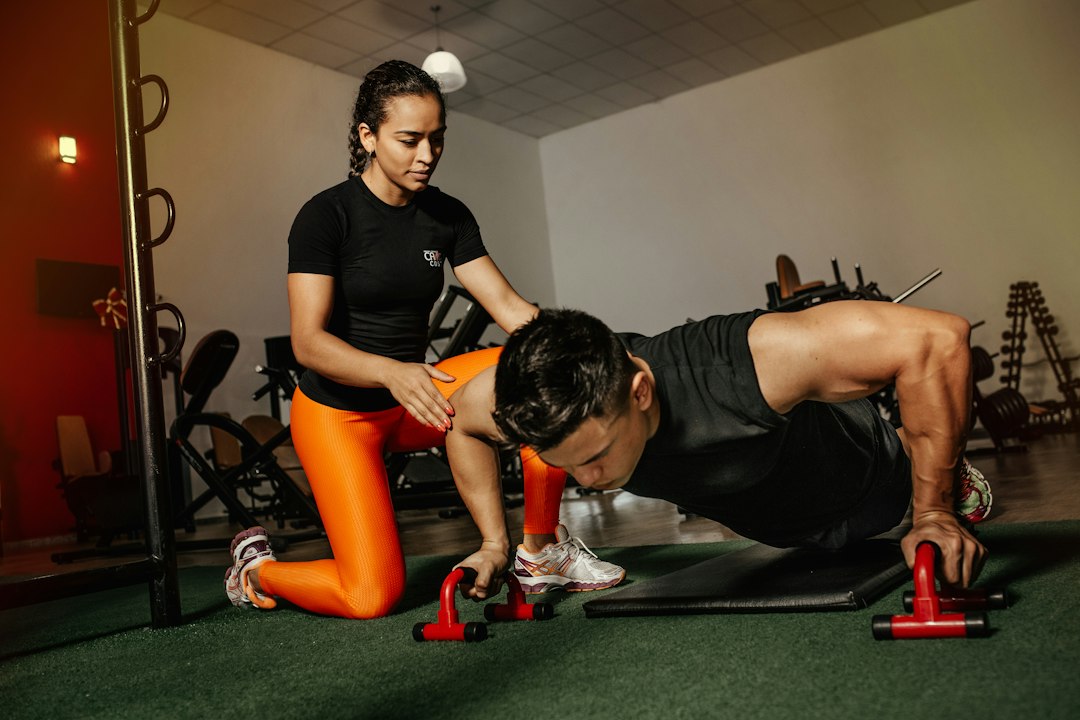
Muscle growth requires a training stimulus plus enough total protein and calories to support repair — consistency in the gym matters more than any single food choice, and it's the biggest lever in our training framework too (80% consistency, 16% programming, 3% variation, 1% everything else). A protein bar without a progressive resistance program behind it is just a snack. If you're not also asking whether your lifting program is producing real strength and hypertrophy, protein intake becomes a rounding error. We've compared whole food to shakes directly in Protein Shakes or Whole Food? Scans Settle the Muscle Debate, and the same logic applies to bars: the food matters less than what you do with the surplus or deficit it creates.
The only way to know whether your homemade bars are fueling lean mass or quietly padding fat mass is to measure the two separately. The scale can't do it. Even a smart scale's bioelectrical impedance estimate can't do it reliably. A clinical-grade DEXA scan can — it separates lean mass, fat mass, and bone density down to the region of your body, so you can see in black and white whether those afternoon bars turned into shoulders and quads, or into visceral fat and love handles.
**Where to get a DEXA scan near me**
If you're in the Bay Area, Kalos runs DEXA scanning out of San Francisco, Palo Alto, and San Jose (Pruneyard), with 3,000+ scans completed and a 4.9-star rating across 500+ Google reviews. Every scan is read by a NASM-certified analyst with a performance or data science background — not a kiosk, not an app. All sessions are HSA/FSA eligible.
If you landed here searching for a dexa scan in Gig Harbor or another market outside the Bay Area, the principle still applies wherever you live: look for a provider using clinical-grade equipment (not a consumer body scanner), staffed by someone who can walk you through lean mass, visceral fat, and bone density in the same sitting — not just hand you a printout. That combination of accurate measurement plus a human who can interpret it is what actually turns data into a plan.
**Measure first, then adjust the recipe**
This is where Kalos's bottom-up philosophy comes in. We don't tell you to swap almond butter for peanut butter or eliminate dates. We scan you, look at the trend in lean mass and fat mass over the following month, and let the data tell us if your current approach — bars included — is working for your body specifically. If lean mass climbs and fat mass holds steady or drops, keep the bars. If fat mass is rising faster than lean mass, the surplus hidden in your "healthy" recipe is the first thing we adjust.
This is also why a single scan matters less than a second one. Progress isn't a snapshot — it's a trend. We've written about why re-scanning to isolate variables is the only way to know what's actually changing your body in Scanning Twice Proves Which Variable Actually Changed Your Body, and the same logic shows up in Muscle Gained on Paper—But Your Scan Disagrees?
If your homemade protein bars have become a daily ritual and you genuinely don't know whether they're helping or hurting, that's exactly the kind of question a scan answers in twenty minutes — and exactly the kind of question our coaches turn into a plan, not just a printout.

Ready to measure what matters?
Book your DEXA scan today and stop guessing about your health.