What to Track When You’re Training Hard but Not Improving

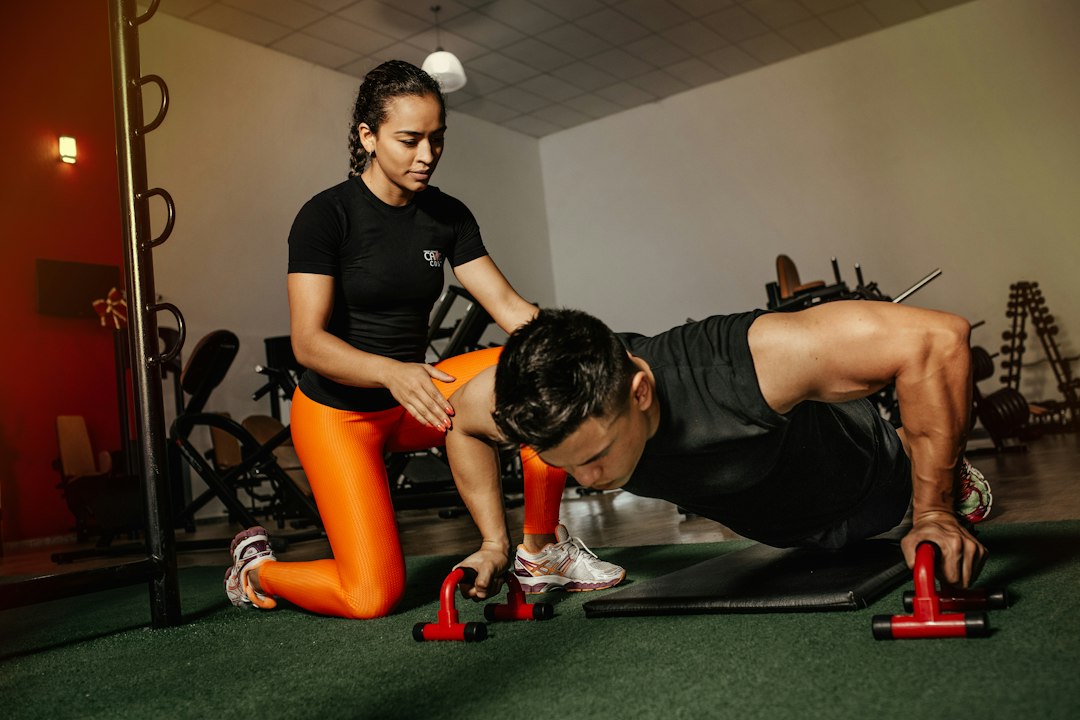
Training harder usually leads to progress. When it does not, the issue is rarely effort. Most plateaus happen because the body is no longer adapting in the way you expect. Without the right data, it becomes difficult to identify what is holding you back.
This article explains what to track when you’re training hard but not improving, and how objective body composition tracking with a Dexa Scan helps uncover the real reasons progress stalls.
Why Effort Alone Stops Working
As training volume and intensity increase, adaptation becomes more complex.
Common reasons progress stalls include:
- Lean muscle loss during high training loads
- Inadequate recovery relative to intensity
- Unnoticed fat gain reducing movement efficiency
- Structural imbalances limiting force output
- Bone stress accumulating faster than adaptation
Without tracking physical changes, these issues often go unnoticed until performance drops or injuries appear.
Lean Muscle Mass Trends Matter More Than Gym Numbers
Strength and conditioning progress depends on maintaining or increasing lean muscle mass.
If lean mass is declining:
- Strength gains stop transferring to performance
- Recovery capacity decreases
- Injury risk increases
A Dexa Scan allows you to track total and regional lean mass, confirming whether your training is building, preserving, or slowly eroding muscle tissue.
Fat Mass Can Quietly Undermine Performance
Fat mass changes do not always show up clearly on the scale.
Small increases in non-functional mass can:
- Reduce speed and agility
- Increase energy cost during training
- Make conditioning feel harder than it should
Tracking fat mass separately from lean mass helps explain why performance feels harder even when effort increases.
Muscle Distribution and Imbalances Limit Progress
Training hard does not guarantee balanced development.
Body composition data can reveal:
- Side-to-side lean mass differences
- Underdeveloped muscle groups
- Compensation patterns that limit force transfer
These imbalances often cap performance long before strength or conditioning numbers plateau.
Bone Density and Load Tolerance
When training intensity rises, bone health becomes increasingly important.
Declining or insufficient bone mineral density can:
- Limit how much load the body can tolerate
- Increase risk of stress injuries
- Force unplanned training breaks
A Dexa Scan provides accurate bone density data, helping determine whether the skeleton is keeping up with training demands.
Recovery Shows Up in Body Composition
Poor recovery does not always feel obvious at first.
Signs of under-recovery include:
- Lean mass loss during hard training blocks
- Stalled fat loss despite high effort
- Increased fatigue without clear cause
Tracking body composition trends helps identify when recovery is falling behind before performance declines further.
Why Scale Weight and Performance Metrics Fall Short
Scale weight and training numbers do not explain why progress stops.
They cannot show:
- Muscle loss hidden by stable body weight
- Fat gain masking strength improvements
- Structural fatigue developing over time
Body composition data fills this gap by showing how the body is actually adapting internally.
How Often Should You Track Body Composition When Progress Stalls?
When training hard without improvement:
- A Dexa Scan should be done monthly
- Every other month at minimum
- Never less frequent than that when diagnosing plateaus
The scan itself takes about six minutes, and full body composition Dexa scans are not covered by insurance, making them a proactive tool for troubleshooting performance issues.
Turning Stalled Progress Into Forward Momentum
When the right variables are tracked, plateaus become solvable.
Athletes can use body composition data to:
- Adjust training volume before burnout
- Increase calories when lean mass declines
- Reduce non-functional mass that limits performance
- Restore balance and durability
Progress resumes when decisions are driven by data rather than frustration.
Book Your DEXA Scan with Kalos Today in Downtown San Francisco, San Jose or Palo Alto!
If you are training hard but not seeing results, understanding how your body is changing is essential. Kalos provides advanced Dexa Scan services to help you identify hidden limiting factors and get performance moving forward again.
Schedule your scan today, your journey to data-driven fitness starts now.

Ready to measure what matters?
Book your DEXA scan today and stop guessing about your health.