What Serious Athletes Measure to Stay Competitive Year After Year

Staying competitive year after year is rarely about training harder. Most serious athletes already train with intensity and discipline. The difference between those who last and those who fade is what they measure and how early they act on the data.
This article explains what serious athletes measure to stay competitive year after year, and why consistent body composition tracking with a Dexa Scan underpins long-term performance, durability, and progression.
Why Long-Term Competitiveness Requires Better Metrics
Short-term metrics are easy to track:
- Scale weight
- Gym numbers
- Game or race stats
- How you feel after sessions
These signals are useful but incomplete. They often react after performance changes rather than explaining why they happen. Serious athletes focus on variables that show structural adaptation over time, not just surface outcomes.
Lean Muscle Mass Is the Core Performance Asset
Lean muscle mass supports strength, speed, power, and joint stability. Over long seasons or careers, even small losses in lean mass can lead to noticeable performance decline.
Serious athletes track lean mass to:
- Confirm muscle is being maintained during heavy training blocks
- Ensure conditioning does not erode strength
- Support force production late in games or sessions
A Dexa Scan provides precise lean mass data that cannot be inferred from scale weight or gym performance alone.
Fat Mass Trends Affect Efficiency and Fatigue
Fat mass does not contribute to force production but directly affects how much energy each movement requires.
Tracking fat mass allows athletes to:
- Maintain an optimal force to weight ratio
- Avoid gradual fat gain that reduces speed and agility
- Improve conditioning efficiency without extreme dieting
Small changes in fat mass can have a large impact on repeated effort performance across a season.
Muscle Distribution and Balance Prevent Decline
Total muscle mass is not enough. Where muscle is located and how evenly it is distributed matters.
Body composition data can reveal:
- Side to side imbalances between limbs
- Underdeveloped muscle groups limiting force transfer
- Structural adaptations that increase injury risk over time
Correcting these issues early helps athletes stay efficient and durable year after year.
Bone Density Supports Career Longevity
Bone health often determines how long an athlete can tolerate high training loads.
Adequate bone mineral density supports:
- Safe force transfer during sprinting and lifting
- Impact tolerance during running and contact
- Consistent training without interruption from stress injuries
Tracking bone density helps ensure skeletal adaptation keeps pace with performance demands.
Recovery Capacity Shows Up in Body Composition
Recovery is not just about how you feel. It shows up in measurable physical changes.
Signs recovery is limiting long-term performance include:
- Lean mass loss during hard training phases
- Stalled fat loss despite consistent effort
- Increased fatigue with no clear performance gains
Serious athletes use body composition trends to adjust recovery before performance drops.
Why Scale Weight and Performance Stats Are Not Enough
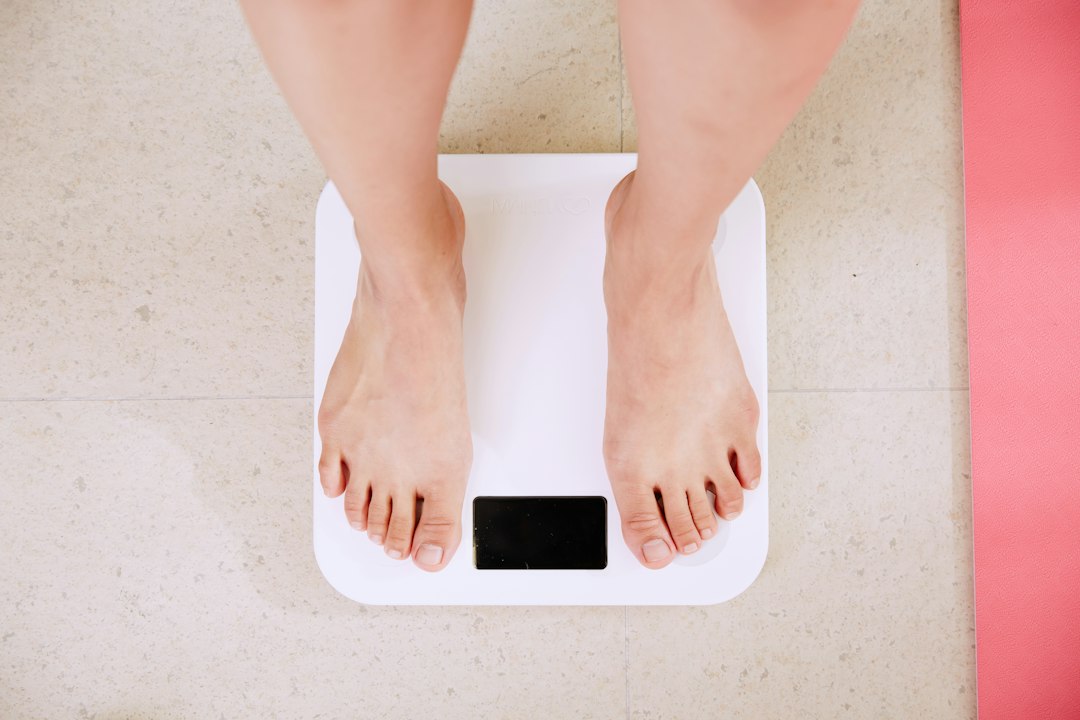
Scale weight and stats measure outcomes, not causes.
They cannot show:
- Muscle loss masked by stable weight
- Fat gain hiding behind strength improvements
- Structural stress accumulating over time
Body composition tracking provides the missing context needed for long-term decision-making.
How Often Should Serious Athletes Track Body Composition?
For athletes focused on sustained competitiveness:
- A Dexa Scan should be done monthly
- Every other month at minimum
- Never less frequent than that when performance longevity matters
The scan itself takes about six minutes, and full body composition Dexa scans are not covered by insurance, making them a proactive performance investment rather than a medical service.
Measuring What Matters for Year After Year Performance
Serious athletes stay competitive by measuring the right things consistently.
Body composition tracking allows them to:
- Preserve muscle across long seasons
- Maintain speed and conditioning as training loads rise
- Reduce injury risk through structural awareness
- Make informed adjustments before decline occurs
Longevity in sport is built on awareness, not guesswork.
Book Your DEXA Scan with Kalos Today in Downtown San Francisco, San Jose or Palo Alto!
If you want to stay competitive year after year, understanding how your body is adapting is essential. Kalos provides advanced Dexa Scan services to help serious athletes track muscle, fat, and bone changes that drive long-term performance.
Schedule your scan today, your journey to data-driven fitness starts now.

Ready to measure what matters?
Book your DEXA scan today and stop guessing about your health.