How to Maintain Athletic Conditioning as You Get Older
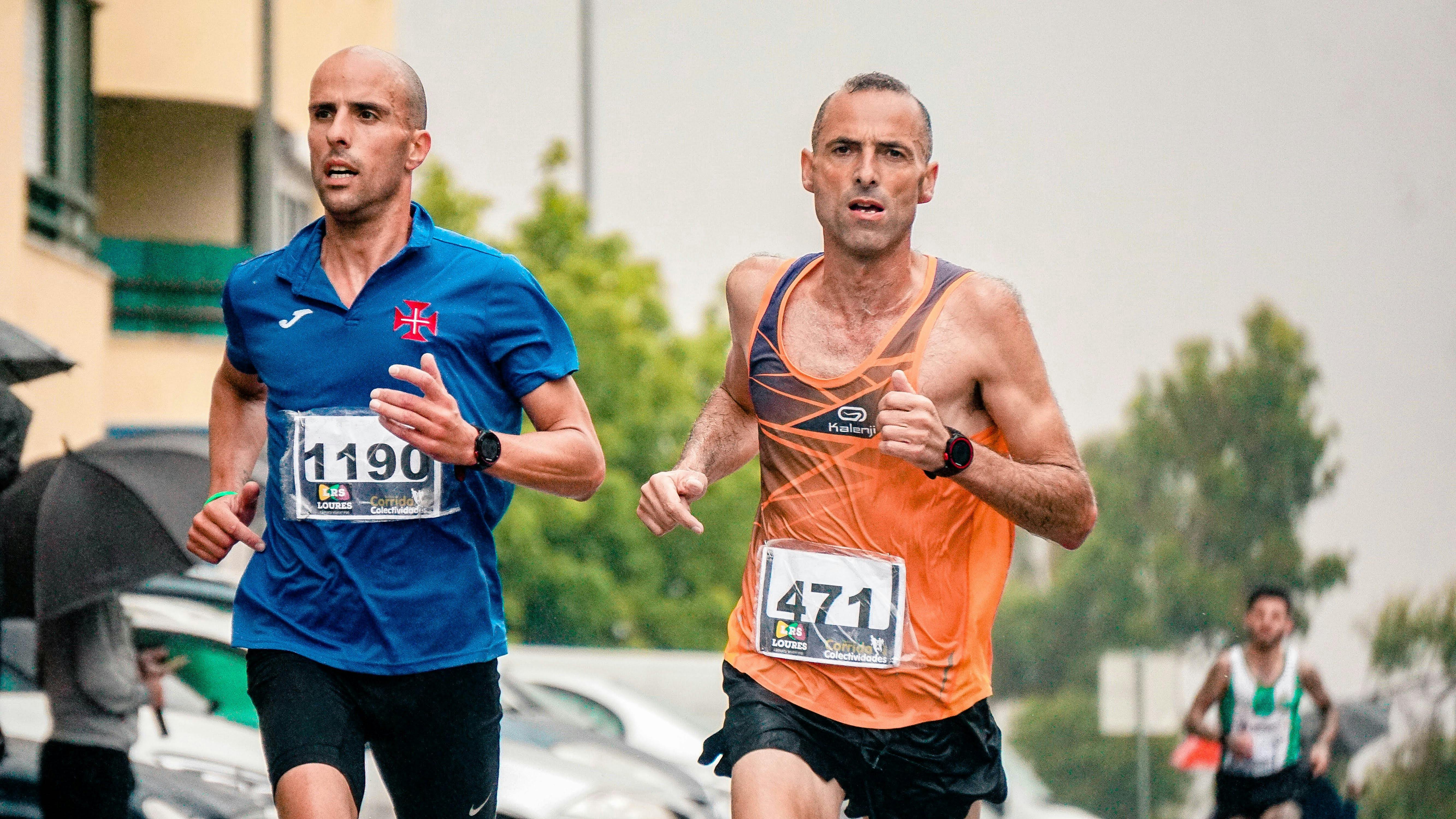
Maintaining athletic conditioning becomes more challenging with age, but decline is not inevitable. What changes is how the body adapts to training stress, recovers between sessions, and preserves muscle, bone, and metabolic efficiency. Athletes who continue performing well into later years do so by training smarter and tracking the right variables.
This article explains how to maintain athletic conditioning as you get older, and why monitoring physical changes with a Dexa Scan is essential for long-term performance.
Why Conditioning Changes With Age
As the body ages, several physiological shifts affect conditioning capacity.
Common changes include:
- Gradual loss of lean muscle mass
- Reduced recovery speed between sessions
- Declines in bone mineral density
- Increased fatigue from the same training loads
- Higher injury risk from accumulated stress
These changes do not mean athletes should stop training hard. They mean training must be supported by better recovery, nutrition, and monitoring.
Lean Muscle Mass Is the Foundation of Conditioning
Lean muscle mass supports speed, power, and endurance. As muscle mass declines, conditioning suffers even if cardiovascular fitness appears strong.
Preserving lean mass helps:
- Maintain force production during repeated efforts
- Reduce perceived exertion during conditioning work
- Support faster recovery between sessions
Tracking lean mass allows aging athletes to ensure conditioning improvements are not coming at the cost of muscle loss.
Conditioning Without Muscle Loss Requires Balance
Many athletes increase conditioning volume as they age to stay fit. Without proper support, this can accelerate muscle loss.
Body composition tracking helps identify:
- Lean mass decline during high conditioning phases
- When calorie intake is too low for training demands
- Whether endurance work is eroding strength and power
This feedback allows conditioning to be adjusted without sacrificing structural integrity.
Fat Mass Management Becomes More Important Over Time
Fat mass tends to increase more easily with age due to hormonal and metabolic changes.
Excess fat mass:
- Increases energy cost during movement
- Reduces speed and agility
- Accelerates fatigue during conditioning sessions
Tracking fat mass separately from lean mass allows athletes to manage body weight without aggressive dieting that harms performance.
Bone Density Supports Long-Term Conditioning
Bone health becomes increasingly important with age.
Adequate bone mineral density supports:
- Impact tolerance during running and jumping
- Load tolerance during strength training
- Consistent conditioning without interruption from injury
A Dexa Scan provides accurate bone density data, helping aging athletes ensure skeletal adaptation keeps pace with training demands.
Recovery Capacity Limits Conditioning Quality
Recovery capacity declines more quickly than motivation.
Signs recovery is becoming a limiting factor include:
- Persistent fatigue despite consistent training
- Lean mass loss during hard conditioning blocks
- Slower return to baseline after sessions
Tracking body composition trends helps identify when recovery strategies need to be adjusted to maintain conditioning quality.
Why Scale Weight Is Misleading With Age
Scale weight does not reflect how aging affects performance.
An athlete can:
- Maintain weight while losing muscle and gaining fat
- Lose weight but sacrifice lean mass needed for conditioning
- Feel less fit despite similar body weight
Body composition data clarifies what is actually changing and why conditioning may feel harder over time.
How Often Should Aging Athletes Track Body Composition?
For athletes focused on long-term conditioning:
- A Dexa Scan should be done monthly
- Every other month at minimum
- Never less frequent than that when preserving performance with age
The scan itself takes about six minutes, and full body composition Dexa scans are not covered by insurance, making them a proactive investment in longevity and performance.
Using Data to Sustain Athletic Conditioning
When body composition is tracked consistently, aging athletes can:
- Maintain muscle while improving conditioning
- Reduce fatigue without reducing training quality
- Support bone health under continued load
- Stay competitive across changing physical demands
Conditioning does not have to decline with age when training decisions are informed by accurate data.
Book Your DEXA Scan with Kalos Today in Downtown San Francisco, San Jose or Palo Alto!
If you want to maintain athletic conditioning as you get older, understanding how your body is changing is essential. Kalos provides advanced Dexa Scan services to help athletes monitor muscle, fat, and bone changes that directly impact conditioning and longevity.
Schedule your scan today, your journey to data-driven fitness starts now.

Ready to measure what matters?
Book your DEXA scan today and stop guessing about your health.