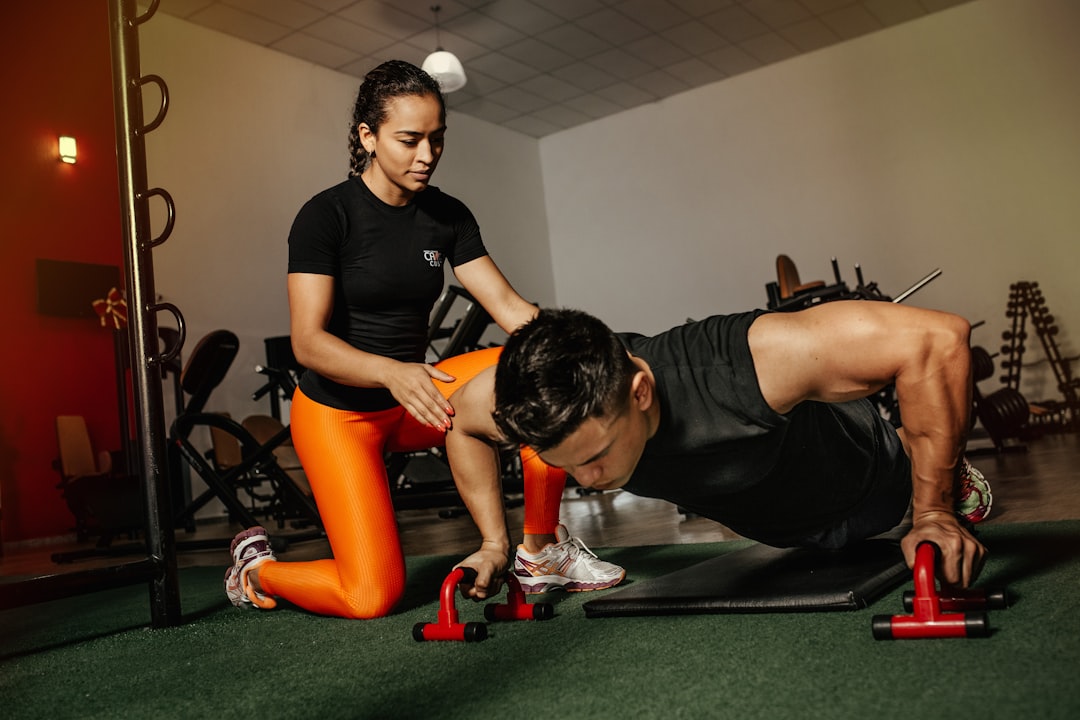
How to Balance Muscle Gain and Mobility for Sports Performance

Muscle gain improves strength, power, and durability. Mobility improves movement efficiency, joint health, and injury resistance. The challenge for many athletes is building muscle without feeling tight, restricted, or slower on the field or court.
This article explains how to balance muscle gain and mobility for sports performance, and why tracking physical changes with a Dexa Scan ensures muscle development supports rather than limits movement quality.
Why Muscle Gain Can Reduce Mobility
Muscle itself does not automatically reduce mobility. Poorly managed training does.
Mobility declines when:
- Muscle mass increases without maintaining range of motion work
- Upper body mass increases without improving lower body strength
- Strength training replaces movement training entirely
- Fat mass increases alongside muscle
When body weight rises without proportional control and mobility work, joints may feel restricted and movement efficiency can decline.
Build Lean Muscle, Not Just Scale Weight
The goal should be increasing lean muscle mass in a way that supports athletic movement.
Lean muscle:
- Enhances force production
- Improves joint stability
- Supports deceleration and direction changes
Tracking lean mass ensures weight gain comes from muscle rather than non-functional mass that may hinder mobility.
Protect Force to Weight Ratio
Mobility and agility depend heavily on force to weight ratio.
If body mass increases faster than strength and power:
- Acceleration may decline
- Direction changes become slower
- Movement feels heavier
Tracking fat mass separately from lean mass allows athletes to build muscle while preserving movement efficiency.
Muscle Distribution Matters for Mobility
Where muscle is gained plays a significant role in movement quality.
Body composition data can reveal:
- Lower body muscle development that supports powerful but controlled movement
- Trunk muscle levels that stabilize dynamic motion
- Side to side imbalances that restrict efficient movement patterns
Correcting uneven muscle distribution helps maintain fluid movement as strength increases.
Mobility Training Must Complement Strength Training
To balance muscle and mobility:
- Maintain consistent dynamic mobility sessions
- Include full range of motion strength exercises
- Avoid eliminating speed and agility work during muscle-building phases
- Incorporate eccentric and controlled strength work
This preserves joint range while building strength.
Monitor Fat Mass During Muscle Gain
Excess fat mass can reduce mobility by increasing joint loading and energy cost.
Higher fat mass:
- Increases stress during direction changes
- Reduces agility efficiency
- Accelerates fatigue
Tracking fat mass trends ensures calorie intake supports muscle gain without unnecessary weight accumulation.
Bone Density and Structural Readiness
Heavy strength training can improve bone mineral density when recovery and nutrition are sufficient.
Healthy bone density supports:
- Stable joint mechanics
- Efficient force transfer
- Reduced injury risk during high-speed movement
A Dexa Scan includes bone density measurement, offering insight into structural adaptation alongside muscle gain.
Why Scale Weight Does Not Reflect Mobility
Scale weight alone cannot explain mobility changes.
An athlete can:
- Gain weight from muscle and maintain fluid movement
- Gain weight from fat and feel restricted
- Maintain weight while losing muscle and mobility
Body composition tracking separates these outcomes and clarifies what is driving performance changes.
How Often Should Athletes Track Body Composition?
During muscle-building phases:
- A Dexa Scan should be done monthly
- Every other month at minimum
- Never less frequent than that when optimizing strength and mobility together
The scan itself takes about six minutes, and full body composition Dexa scans are not covered by insurance, making them a proactive performance investment.
Turning Muscle Gain Into Better Movement
When body composition is monitored consistently, athletes can:
- Build muscle that enhances power without restricting movement
- Preserve mobility during strength cycles
- Adjust calories before fat gain affects agility
- Maintain speed and efficiency across seasons
Muscle and mobility are not competing goals when training decisions are guided by accurate data.
Book Your DEXA Scan with Kalos Today in Downtown San Francisco, San Jose or Palo Alto!
If you want to gain muscle without sacrificing mobility, understanding how your body is adapting is essential. Kalos provides advanced Dexa Scan services to help athletes track muscle, fat, and bone changes that directly influence movement performance.
Schedule your scan today, your journey to data-driven fitness starts now.

Ready to measure what matters?
Book your DEXA scan today and stop guessing about your health.